Table of Contents
PM Studios has a long history of physical game publishing. Two decades ago, the Las Vegas-based publisher introduced the Korean rhythm-action series DJMax to the US, establishing a successful business of releasing various titles on discs and cartridges.
CEO Michael Yum shared, “We back up approximately a hundred games annually on the physical side. We also handle physical publishing for numerous other publishers, often releasing up to 10 games per year for each partner.”

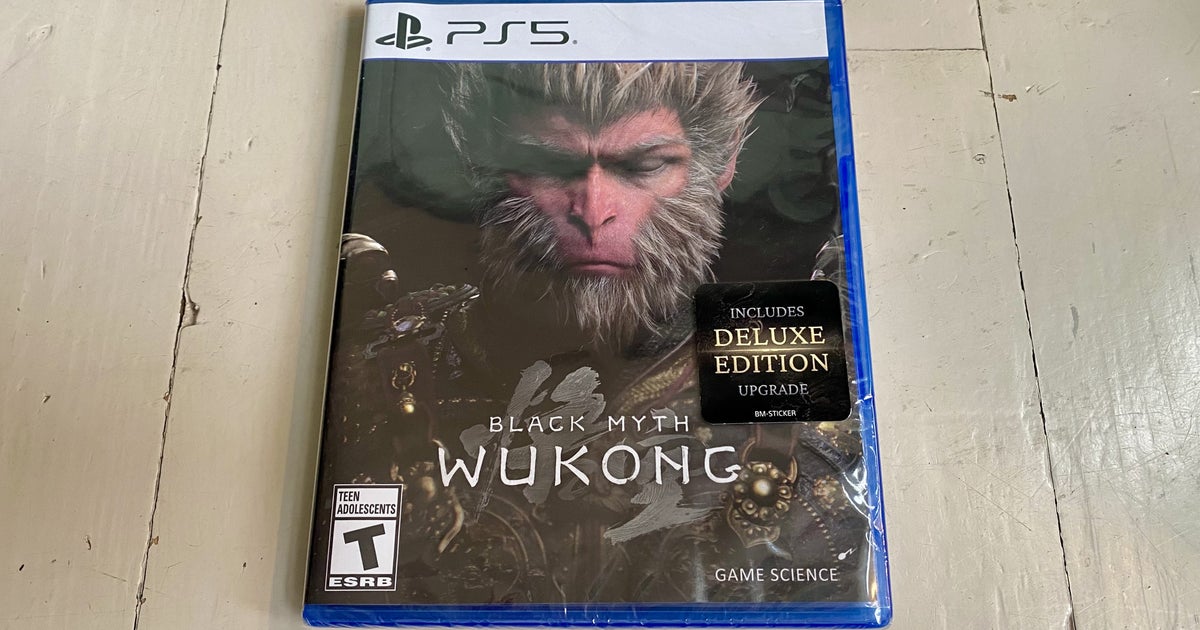
Over the years, PM Studios has facilitated the release of games from various developers in different regions. Yum mentioned, “I helped bring games from Korea and China over to America and Europe for friends who were unable to release their games.” One game, in particular, had a significant impact – Black Myth: Wukong.
Yum admitted that taking on Black Myth was a substantial risk for PM Studios, but the game exceeded all expectations. He expressed, “It was an unforgettable experience. The success of this title overshadowed everything else.”
Despite the significant success in physical publishing, PM Studios faced a setback with Sony’s announcement to cease disc production for the PlayStation in January 2028.
Adapting to Change
Yum expressed his disappointment, stating, “It’s disheartening. My initial games were on PlayStation, and being a PlayStation player, I predominantly enjoy physical games. However, the trend is shifting towards digital purchases, especially among the newer generation of gamers.” He noted that his children, part of the digital-native demographic, find it confusing to handle physical discs.

Nevertheless, PM Studios is committed to continuing physical publishing efforts. Yum mentioned, “We are exploring innovative ways to release games. It may eventually involve codes in a box. Our focus is on enhancing the collectability of IPs and providing fan service through premium offerings and unique support strategies.”
Despite the rising popularity of digital games, Yum highlighted a robust physical market for games targeting younger audiences. For instance, PM Studios’ release of the kids’ game Bluey’s Quest For The Gold Pen saw approximately 80% of sales coming from physical copies.

Yum also mentioned that popular IPs continue to perform well in retail, and there is a demand for physical versions of successful indie titles like Animal Well. He emphasized, “The support for physical releases remains strong, with collectors showing interest in purchasing these items.”
Furthermore, the appeal of physical games lies in their shareability, unlike digital copies that are tied to individual accounts. Yum explained, “As a parent of twins, I prefer a physical game that can be shared rather than purchasing two digital copies. It encourages sharing among children and allows them to lend games to friends.”
Yum believes that the outcry over the decline of physical discs stems from players feeling a loss of choice, despite the dominance of digital sales. He stated, “People are upset because they perceive it as a limitation of choice.”
Exploring Opportunities
With the impending end of physical releases, especially on PlayStation, PM Studios is evolving its strategies. Yum mentioned, “You will notice that we are increasingly focusing on digital titles.” While the publisher continues to advocate for physical releases – such as the upcoming physical version of AdHoc Studio’s Dispatch – it is also taking on full publishing responsibilities for titles like My Time at Evershine.

Additionally, PM Studios is collaborating with Telltale on the long-awaited sequel, The Wolf Among Us 2. Yum explained, “We offered funding support and brought in our marketing and production teams to help complete the game efficiently.” The publisher’s goal now is to “take more significant risks with major IPs.”
PM Studios is not alone in adapting to the shift away from physical releases. GCL Global Holdings, based in Singapore, is transitioning towards AA publishing through its subsidiary 4Divinity, which gained attention at Gamescom.
Yum expressed PM Studios’ optimism for AA games, inspired by the success of Black Myth: Wukong. He noted the growing interest in AA games due to their impressive graphics, stating, “People are more enthusiastic about AA games, which helps them stand out in the crowded digital marketplace.”
While emphasizing the importance of supporting indie games, Yum affirmed that PM Studios continues to champion indie developers. He shared, “We remain dedicated to assisting indie developers in completing and releasing their games on platforms like Switch 2. We were among the first to release Switch 2 games and offer the full game on a physical card.” The aim is to leverage the success of larger titles to promote new indie projects.
Recognizing the risks associated with AA games due to higher initial investments, PM Studios aims to proceed cautiously. Yum stated, “We ensure that each project has unique elements, such as an established IP, a sequel, a reputable developer, or strong community interest, to mitigate risks.”
Rise of Chinese Games
Yum highlighted the remarkable progress of AA games emerging from China, praising the speed and talent of Chinese development teams. He noted, “I have collaborated extensively with Chinese developers, and their efficiency and creativity are truly impressive.”
He also acknowledged the growing influence of Chinese gaming giants like Tencent and NetEase, emphasizing their dominance in the industry. Yum warned, “If the global gaming industry fails to keep pace with Chinese developers, they risk losing their competitive edge.”

While acknowledging the growth of Chinese games, PM Studios remains focused on Western developers for its upcoming releases. The company continues to advocate for physical releases and recently introduced the community platform Panax to unite collectors of physical games and merchandise.
“We have been developing Panax for several years,” Yum revealed. “The platform gained attention recently due to our trophy tracking feature. We are excited to unveil new features that will benefit publishers associated with the platform.”
Although physical games may be on the decline, there are still advocates committed to supporting them until the very end.