Table of Contents
Revolutionizing Chip Design with AI: The Future of Custom Hardware
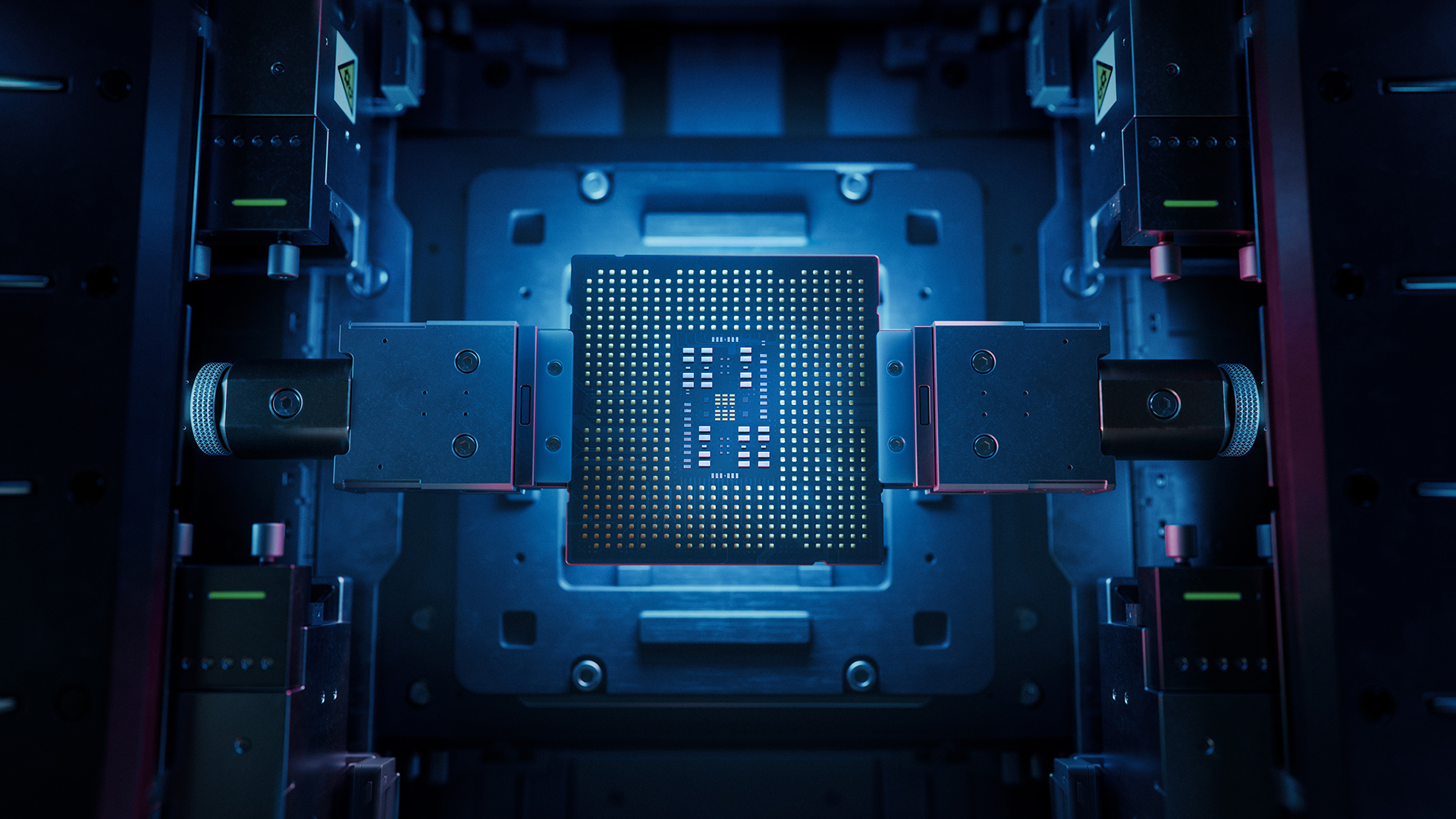
As technology continues to advance, the role of artificial intelligence in chip design is becoming increasingly prominent. Jeff Dean, the former AI head at Google, has been a vocal advocate for leveraging AI to overcome the limitations of traditional hardware design cycles. His insights shed light on the potential for custom chips to revolutionize modern computing needs.
Automation in Chip Design: A Game-Changer
Dean, now leading the AI firm Discovery Loop, has a rich history in exploring reinforcement learning in chip design. His groundbreaking research, although met with controversy, demonstrated the superiority of AI-driven chip design over conventional methods. Dean firmly believes that automation is the key to unlocking the full potential of specialized hardware.
During a recent fireside chat, Dean emphasized the importance of specialized chips in creating more efficient computing systems. He highlighted the critical role that a few key workloads play in shaping the future of computing, underscoring the need for hardware specialization.
Challenges and Solutions in Chip Design
Despite the benefits of chip specialization, Dean acknowledged the inherent risks associated with designing fixed hardware for evolving computing needs. To address this challenge, he advocates for hardware design automation as a viable solution. By integrating reinforcement learning and other evolutionary techniques into the design process, Dean envisions a more streamlined and accelerated design cycle.

By accelerating the design process and enabling rapid iteration, Dean envisions a future where chip design becomes more agile and responsive to changing computing needs. The integration of automation and speed is poised to revolutionize the semiconductor industry, paving the way for a new era of specialized hardware.
In Conclusion
As we navigate the complexities of modern computing, the role of AI in chip design is set to redefine the boundaries of innovation. Jeff Dean’s vision for a future where automated design processes drive hardware specialization offers a glimpse into the transformative potential of custom chips. By embracing automation and speed, the semiconductor industry is poised to enter a new chapter of efficiency and adaptability.
H2: The Rise of Virtual Reality in Gaming
Virtual reality (VR) has taken the gaming world by storm in recent years, offering players a truly immersive and interactive experience like never before. With the advancement of technology, VR has become more accessible to the general public, allowing gamers to step into a virtual world and truly feel like they are part of the action.
H3: The Impact of VR on Gaming Industry
The introduction of VR technology has had a significant impact on the gaming industry. Developers are now able to create games that offer a level of realism and immersion that was previously unattainable. Players can now explore virtual worlds, interact with characters, and experience gameplay in a whole new way.
H3: The Future of VR Gaming
As VR technology continues to advance, the future of gaming looks brighter than ever. Developers are constantly pushing the boundaries of what is possible in VR, creating new and innovative gaming experiences that blur the lines between reality and virtual worlds. With the increasing popularity of VR headsets and accessories, it is clear that VR gaming is here to stay.
H2: Conclusion
In conclusion, virtual reality has revolutionized the gaming industry, offering players a truly immersive and interactive experience. With the continued advancement of technology, the future of VR gaming looks promising, with developers constantly pushing the boundaries of what is possible. As VR headsets become more accessible and affordable, it is only a matter of time before VR gaming becomes a mainstream form of entertainment. So, gear up and get ready to step into a whole new world of gaming with virtual reality.