Ryu Ga Gotoku Studio is best known for the Like a Dragon series, but it is expanding its repertoire with diverse titles such as Super Monkey Ball, Virtua Fighter, and the Judgment series. This growth leads to the upcoming title, ‘STRANGER THAN HEAVEN’.
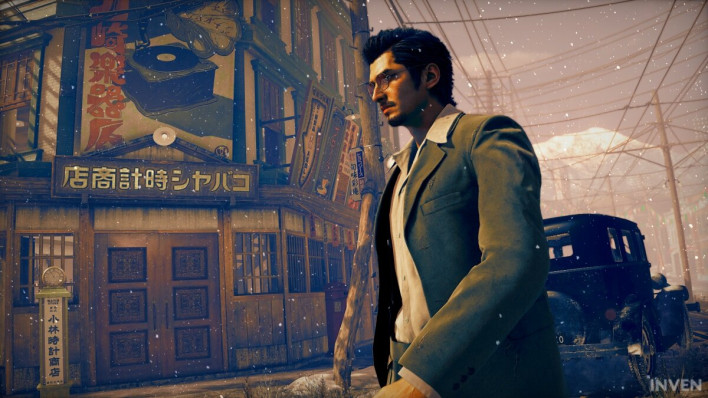
STRANGER THAN HEAVEN follows the life of Makoto Daito, born to an American father and Japanese mother, navigating Japan through five distinct eras. The game spans five decades, raising anticipation for its unfolding saga.
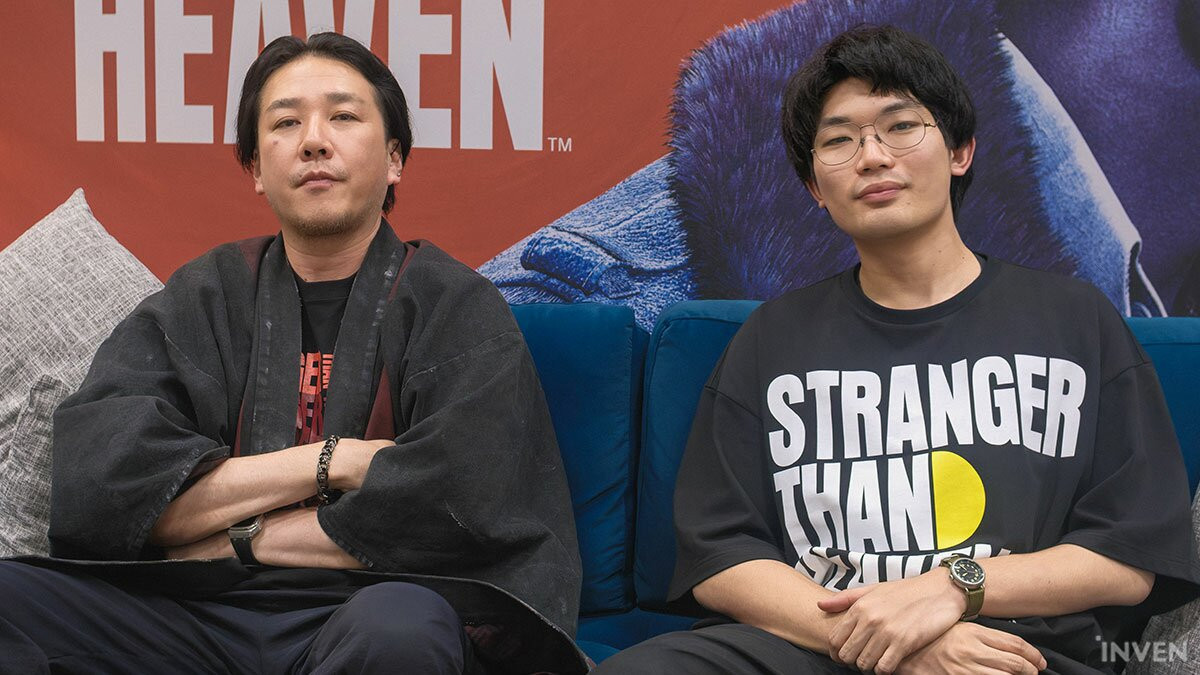
The project gained attention for its star-studded cast and unique combat system, promising a fresh experience for players. At Gamescom 2026, we spoke with Producer Hiroyuki Sakamoto and Director Mikinobu Abe to learn more about the game.
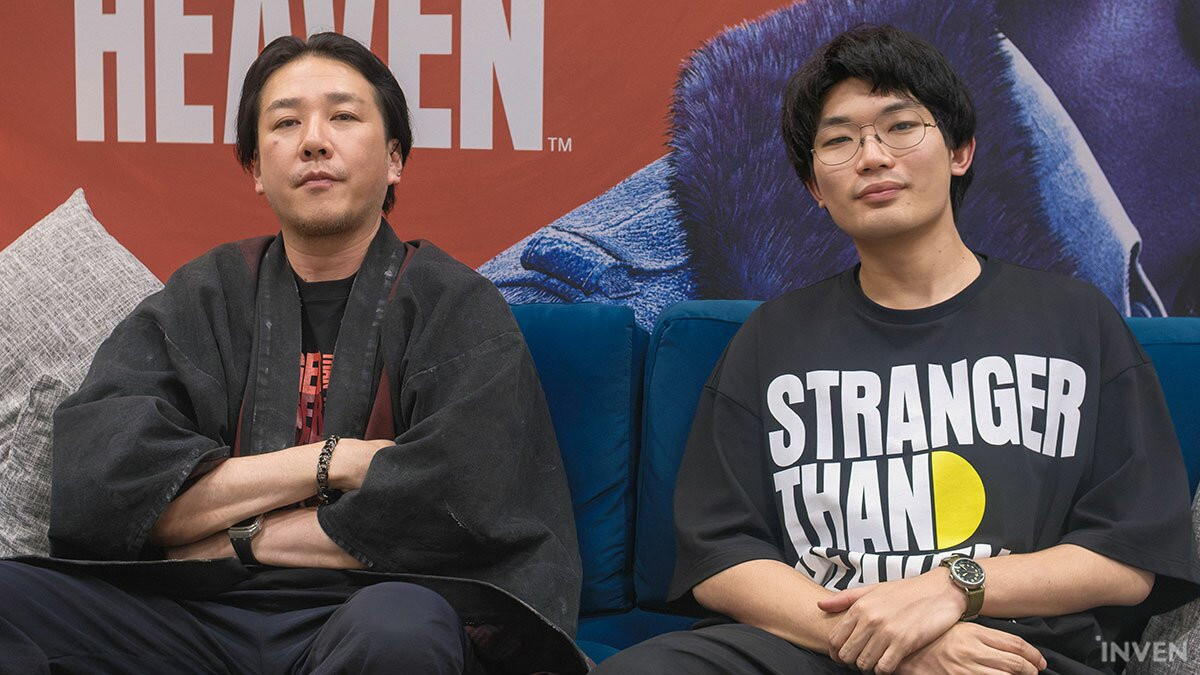
Q. This title is a completely new IP set in an original world. What was the reason for retaining a connection between this and the existing Like a Dragon series?
Producer Hiroyuki Sakamoto: The story begins much earlier than previous games, with characters that are not directly linked to past titles. It’s best to enjoy this as a standalone experience.
Q. Over 10 types of weapons will appear in addition to those in the demo. Are these weapons distributed differently across each era?
Producer Sakamoto: There are 12 weapon types, each era featuring unique weapons. Players can customize and upgrade their favorite weapon throughout the game.
Q. Controlling both hands separately in combat felt challenging but rewarding. What was the design direction for this system?
Producer Sakamoto: The goal was to create a system where skilled players could showcase impressive gameplay. The combat emphasizes raw, unrefined action for a unique experience.
Q. Was the sense of unfamiliarity in gameplay intentionally designed to align with Makoto’s journey?
Producer Sakamoto: Yes, the game systems were revamped to deliver the protagonist’s experience to the player, creating a deep connection with the character.
Q. The combat design in this title feels intentionally heavy and clumsy at first. Was this intentional?
How was the threshold designed for players to transition from awkwardness to mastery in the game?

Producer Sakamoto: The development team focused on making heavy things feel genuinely heavy in the game to create an authentic and raw experience for players. Whether using fists, knives, or a bar, the team ensured that players feel immediate, tangible feedback and realism from the start, gradually expanding the variety of techniques available as the character grows and levels up.
For example, when swinging a long weapon like a bar, relying solely on hit feedback can make the action feel jarring or disconnected. Therefore, careful attention was paid to ensure that players feel a sense of authenticity and connection to the game mechanics throughout their progression.
The progress of the journey shifts towards the east from Kokura in alignment with the storyline. We meticulously chose each setting based on the pivotal emotional peaks reached in the narrative and scenarios over those 50 years.
**Q. How are substories and city exploration structured in the full game? How much emphasis is placed on exploring the streets, and could you share more specific details about city exploration elements?**
**Producer Sakamoto:** The level design density for each of the five cities is the most intricate we’ve ever created. Players can enter numerous buildings and explore various shops directly. The game offers an extensive amount of exploration content, including substories, minigames, and authentic entertainment culture experiences from different eras. We paid great attention to detail to ensure players can fully immerse themselves in each era while engaging with the core gameplay.
**Q. Were there any cut ideas during development that you wished to include but had to let go of due to not fitting the vision?**
**Director Abe:** There weren’t any such ideas, really. Our goal from the early stages of development was to portray one man’s life tailored to each period, and we remained faithful to that concept throughout. While there were minor adjustments along the way, the overarching vision we set out with remained intact without major discards.
If you could choose one of the five cities and eras in the game to live in, which would you pick?
**Director Abe:** Through researching historical records, I was deeply impacted by many aspects. Discovering lifestyles previously unknown to us, including things I didn’t even know existed, was eye-opening. Personally, I would love to experience those eras firsthand.
**Producer Sakamoto:** I would choose to live in the oldest era of the game, like Kokura, to experience the enjoyments and inconveniences of that time. Another intriguing choice would be Atami, a hot spring resort that still exists today and features locations from the game. Despite the different time period, Atami feels like a place that truly embodies the essence of STRANGER THAN HEAVEN.
**Q. Do you have a message for Korean fans eagerly awaiting the game’s release?**
**Director Abe:** The entire studio is dedicated to creating an engaging and exciting experience with STRANGER THAN HEAVEN. We hope both long-time fans and newcomers will enjoy the game. Anticipation is key, and we appreciate your support leading up to the release.
**Producer Sakamoto:** We believe this title will introduce a fantastic new IP for players and our studio. Whether you’re a loyal fan or new to our games, approach with an open mind and dive into something fresh. Even returning players can enjoy the game without prior knowledge, so we encourage you to give it a try. Please rephrase the following.