Table of Contents

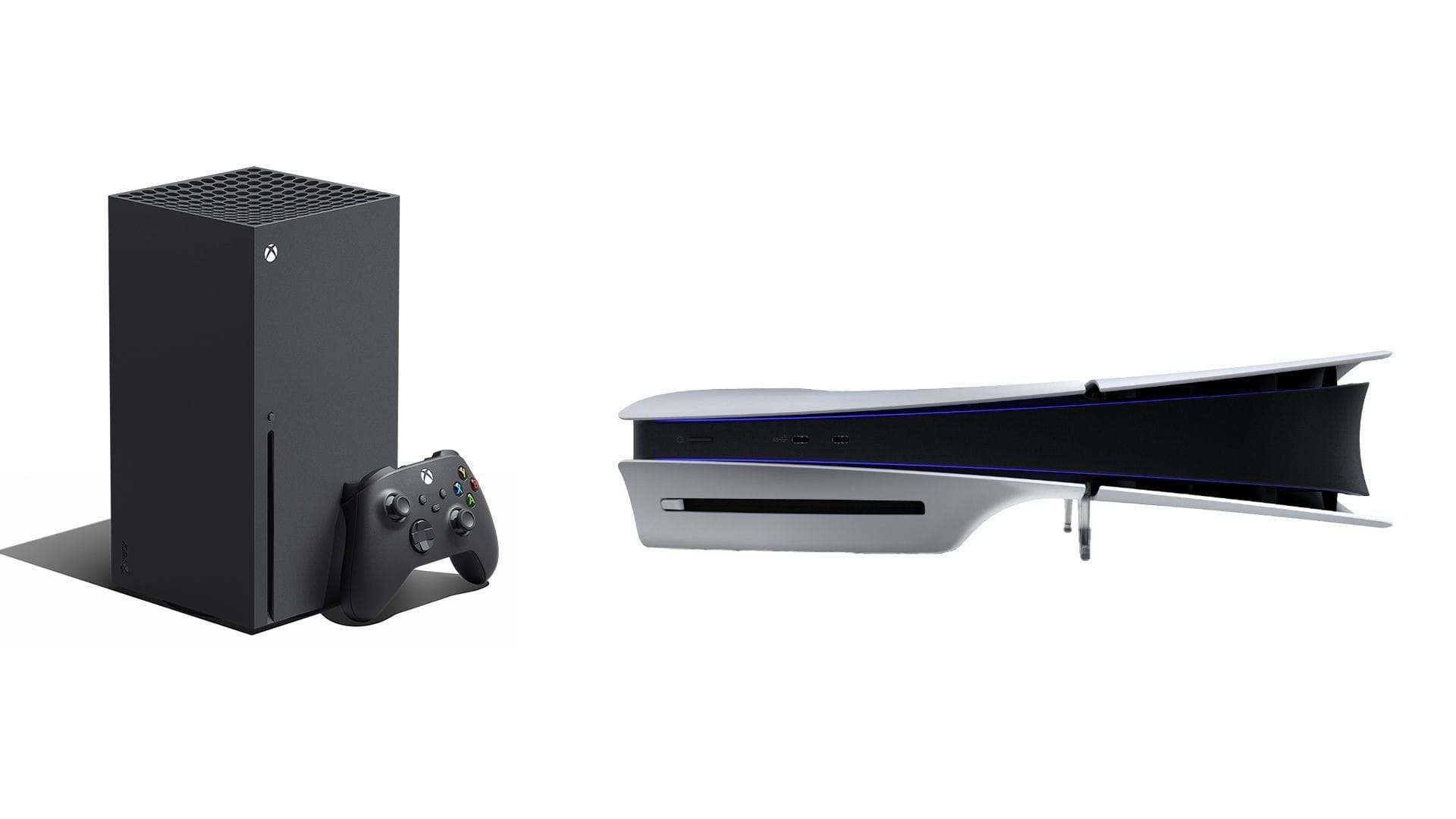
In this generation, console strategies have diverged significantly, with Sony and Microsoft taking contrasting paths. Sony sticks to the traditional console model, focusing on powerful hardware and exclusive titles to drive the PlayStation brand. On the other hand, Microsoft, while confirming the Project Helix console, emphasizes services and accessibility over pure console sales. This presents consumers with two distinct ecosystems to consider. Here is everything you need to know.
Note: Some parts of this article are subjective and reflect the writer’s opinion.
Sony’s Closed Ecosystem Advantages
Sony maintains a tightly controlled ecosystem where hardware and software harmonize as a single platform. The company invests heavily in first-party exclusives tailored for PlayStation hardware. Games like Marvel’s Spider-Man 2, God of War Ragnarök, and Horizon Forbidden West showcase Sony’s focus on cinematic storytelling and high-quality production values to attract players. Previous titles like Infamous: The Second Son and Bloodborne have followed a similar path.
When a gamer purchases a PlayStation console for these exclusive titles, they enter Sony’s digital storefront ecosystem. Sony earns a percentage of revenue from third-party game sales, DLC purchases, and microtransactions within the PlayStation Store.
Additionally, subscriptions and extra hardware purchases, like a second controller, quietly drive up the total cost. While the initial purchase may seem like a one-time expense, it often leads to further investments in subscriptions and accessories, benefiting Sony’s hardware and service sales.
Optimization and the PC Market
The closed ecosystem offers advantages in game optimization since titles are specifically designed for one platform. Developers can focus on optimizing for that platform rather than multiple platforms.
PC ports of single-player games usually arrive later, after many console sales have already occurred. However, Sony now releases live-service multiplayer titles simultaneously on both PlayStation and PC.
PC hardware, especially newer GPUs, excels at handling demanding graphics workloads. If performance is challenging or the port is subpar at launch, players can rely on stronger GPUs, upscaling technologies, or hardware upgrades.
From a business standpoint, this strategy extends a game’s commercial lifecycle upon its PC launch. Players who experienced the title on console may purchase it again, while new PC users enter the ecosystem without the same optimization expectations as fixed console hardware.
Xbox’s Broad Appeal
Microsoft is shifting its gaming division towards Game Pass, Cloud Gaming, and the Play Anywhere model, reducing the traditional hardware barrier. Although Project Helix is on the horizon, Microsoft focuses more on subscription services and cross-platform gaming than console sales.
Users can build a custom Windows gaming PC, subscribe to PC Game Pass, and access first-party Microsoft titles immediately.
While classic backward-compatible games may not be available on PC, most newer titles arrive on day one with Game Pass. Xbox console owners can seamlessly sync cloud saves across platforms.
Microsoft’s focus on subscription services and multi-platform gaming has led to publishing first-party titles on platforms like PlayStation 5.
Under this model, gamers with PC gaming hardware do not need additional purchases to play specific titles unless they are exclusive to another platform.
The Challenges of an Open Hardware Ecosystem
Since Microsoft releases most first-party titles on Xbox consoles and Windows PCs simultaneously, developers must optimize for a wide range of hardware configurations. This includes CPUs, GPUs, memory, and drivers, making the optimization process more complex.
Many titles rely on modern rendering technologies and dynamic resolution scaling to stabilize performance across different hardware tiers. While this approach offers flexibility, it can sometimes hinder raw optimization efforts.
Gamers are accustomed to adjusting settings or upgrading hardware for better performance. Developers can support a variety of devices, but the service-first approach may diminish the incentive to purchase an Xbox console.
Unless players have a specific need for older or exclusive titles, the Xbox hardware may become less essential under this model.
Both Sony and Microsoft have chosen distinct paths to expand their businesses. Sony focuses on exclusives and a controlled ecosystem, while Microsoft emphasizes services and cross-compatibility, reshaping the gaming landscape.
Edited by Mainak Kumar Dey