
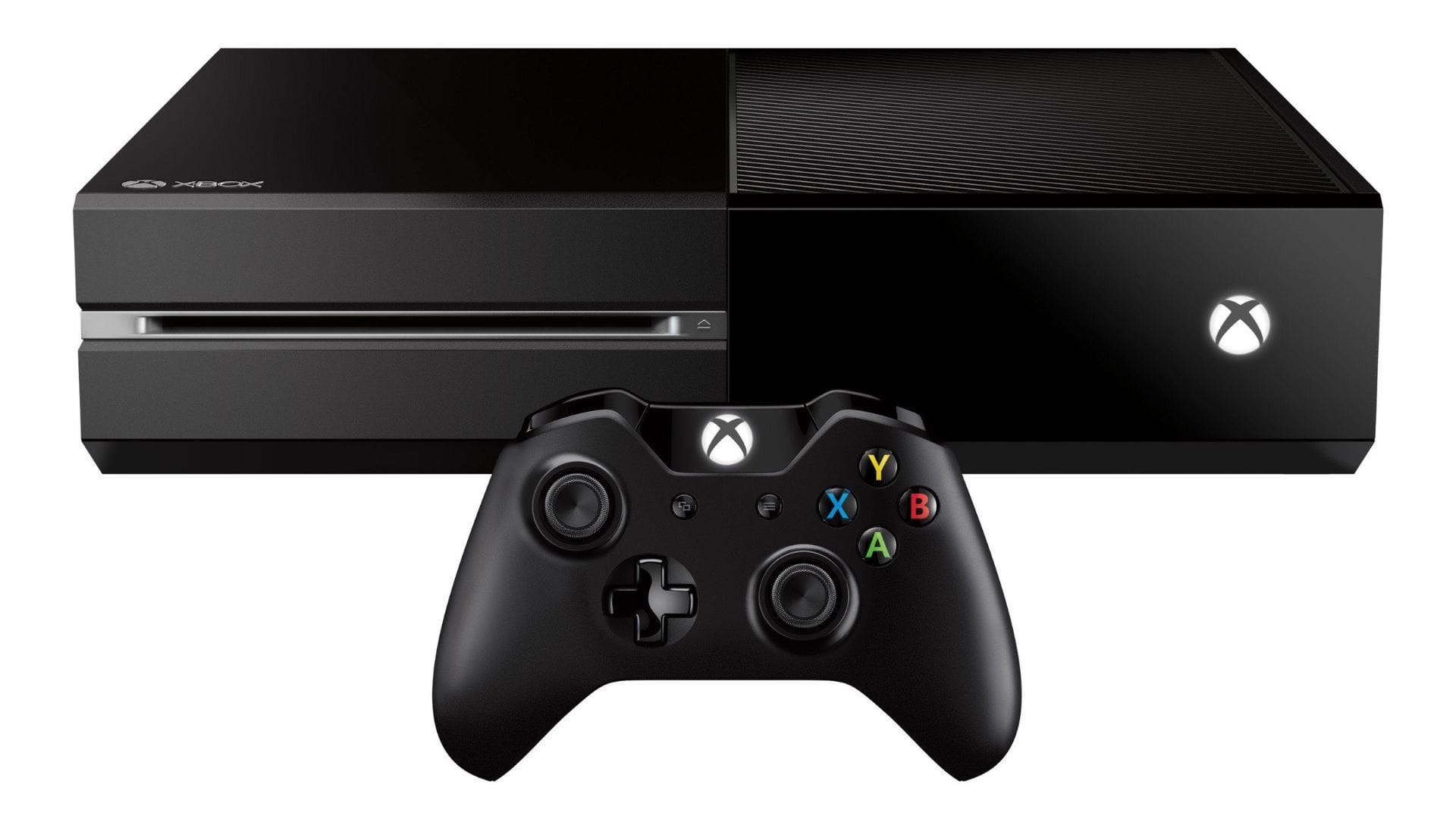
After more than a decade of maintaining an impeccable security track record, the original Xbox One “fat” has been successfully jailbroken due to a hardware glitch found in the boot ROM. This breakthrough now allows for full decryption of video games and other content on the console. This achievement is particularly noteworthy considering the previously perceived unbreakable security of the Nintendo Switch and PlayStation 4.
It is important to recognize that Microsoft significantly enhanced the security features of later models such as the One S, X, and Series consoles, which have remained impervious to hacking attempts. Nevertheless, the 13-year streak of the Xbox One’s security integrity is a remarkable milestone. The individual behind this jailbreak is Markus Gaasedelen, who unveiled the accomplishment at the RE//Verse 2026 conference focused on reverse engineering and exploring vulnerable systems.
What implications does the Xbox One jailbreak have for the gaming community?
One of the key highlights shared by Gaasedelen is the exploit’s unpatchable nature: a hardware-level vulnerability in the boot ROM that prevents Microsoft from issuing a software patch to counteract any breaches. This vulnerability allows the system to be compromised before any Microsoft-approved firmware is loaded, leading to the execution of unauthorized instructions precisely when needed.
To execute the attack, one must utilize three to four wires to access the GPIO pins, efuse access, I2C diagnostics, and remove a capacitor to repeatedly disrupt the voltage rail. However, the success rate of this method is remarkably low, with only one successful attempt per million tries. The intricate process of breaking into a single console can take days, underscoring the robust security measures embedded by Microsoft.
This breakthrough now enables the reverse-engineering of every original 2013 Xbox One unit. The potential applications range from extracting cryptographic keys and obtaining a complete efuse dump, posing significant threats to user information, to decrypting the boot stage and system firmware (including SP1, SP2, 2BL). In essence, this technical advancement allows for a comprehensive reverse engineering of the Xbox One operating system, marking a major victory for the security community.
Furthermore, the ability to decrypt games and applications on the platform holds significant importance for preservation efforts. The Xbox One was at the forefront of fully integrating online functionalities to a point where user dissatisfaction was palpable. Many titles are exclusively available on digital platforms with strict DRM policies that mandate internet connectivity for gameplay. With a hackable system, these games, downloadable content, patches, and even system software can now be archived indefinitely by community initiatives.
Additionally, Gaasedelen emphasized the positive impact on repairability that this jailbreak brings. Bricked Xbox consoles can be revived, faulty eMMC chips can be replaced, and the encryption-bound hard disk drives can be separated to accommodate faster SSD upgrades with this newfound exploit. This development is a significant win for users who prefer sticking with their original Xbox One consoles.
Nevertheless, it is worth noting that this jailbreak poses a considerable challenge for casual modders due to its complexity. Therefore, permanently jailbroken Xbox One units are unlikely to become commonplace in unofficial markets.
Edited by Arka Mukherjee