Table of Contents
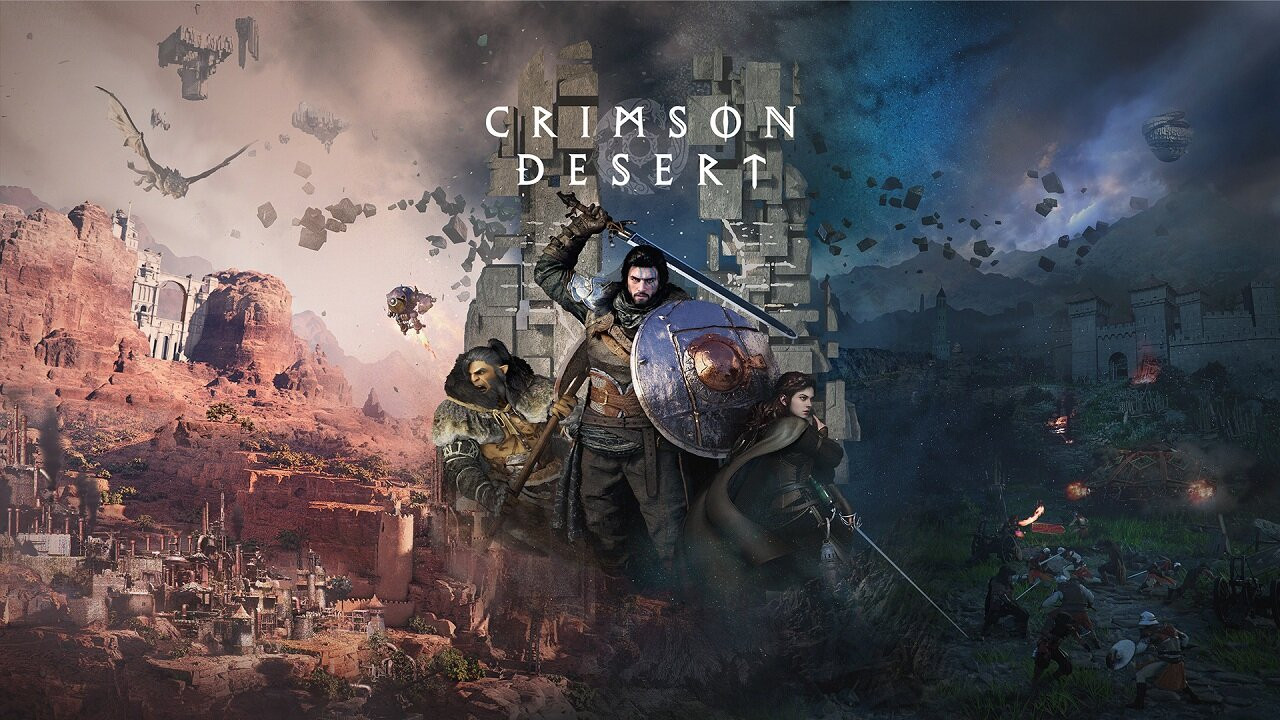
I find it challenging to start reviewing a game like Crimson Desert, filled with anecdotes and gossip, as there’s so much to say. Let’s start by laying out the facts one by one.
Developer Pearl Abyss’s first flagship title since Black Desert, Crimson Desert, is an action-adventure game following Kliff through the continent of Pywel. It promises a vast open world, intense action, and diverse stories.
Described as an action-adventure game, Crimson Desert follows Kliff, a member of the Greymanes, across the continent of Pywel. It boasts a vast open world, rich content, intense action, and a variety of stories.
These are the established facts about Crimson Desert.
In this review, I aim to delve into what Pearl Abyss has not revealed about the gameplay and feel of Crimson Desert.
Editor’s Note: The game underwent multiple updates during the review period, with additional updates even after the completion of the main quest. Therefore, some aspects discussed in this review may differ from the final retail version. I spent 75 hours playing, completing the main questline and numerous side quests.
Open-world Scale and Sheer Volume of Content
Prior to its release, Crimson Desert showcased the beautifully crafted continent of Pywel in pre-release footage. From vast plains to snowy mountains, plunging cliffs to crimson deserts, the world of Pywel is visually stunning.
The game itself maintains the grandeur of Pywel’s scale, showcasing an imposing open world similar to other open-world games.
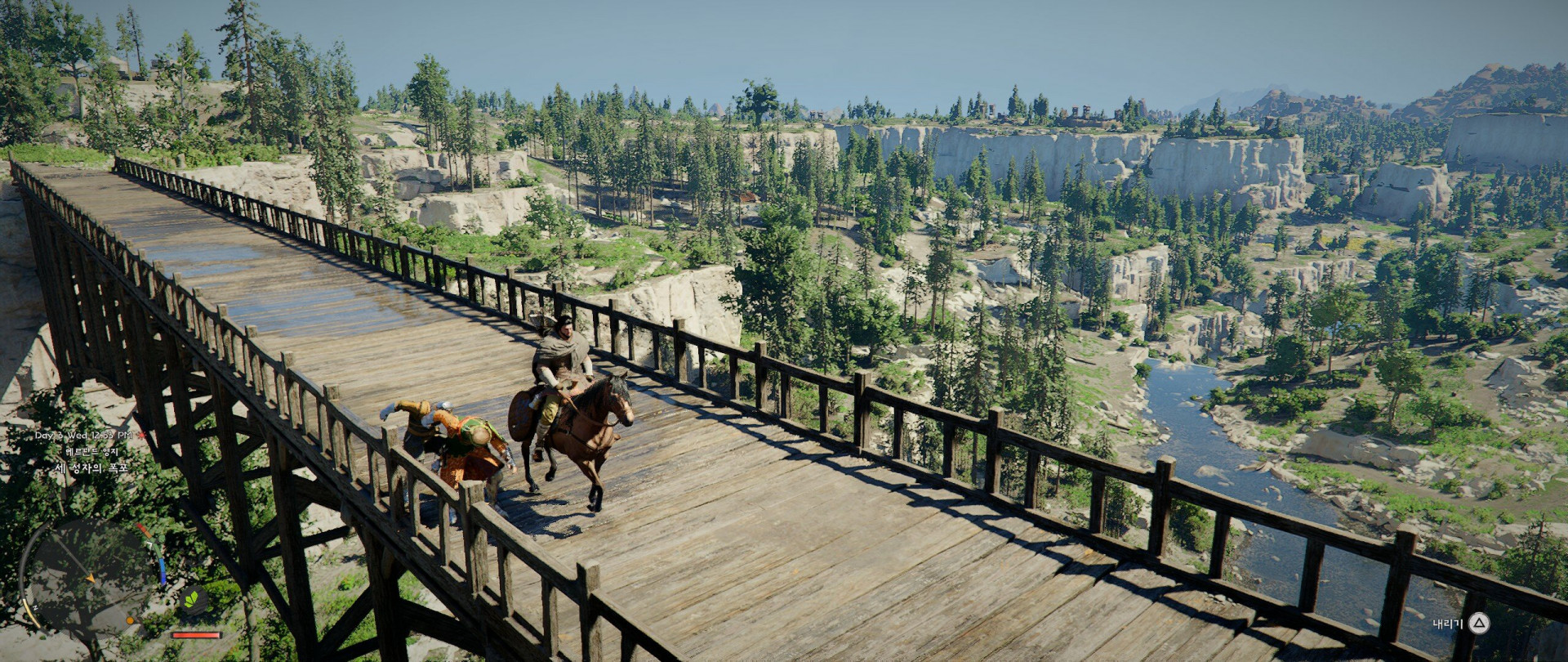
The visual grandeur of Pywel’s open world is evident from the start.
The continent of Pywel is diverse, with regions like Ernand, Delicia, Deminis, Pailune, and the Crimson Desert, each offering unique environments and themes. The verticality of Pywel is also impressive, with nearly 40 Abyss structures suspended in the skies.
Kliff’s journey spans these lands, resolving conflicts and liberating oppressed areas while traversing diverse regions.
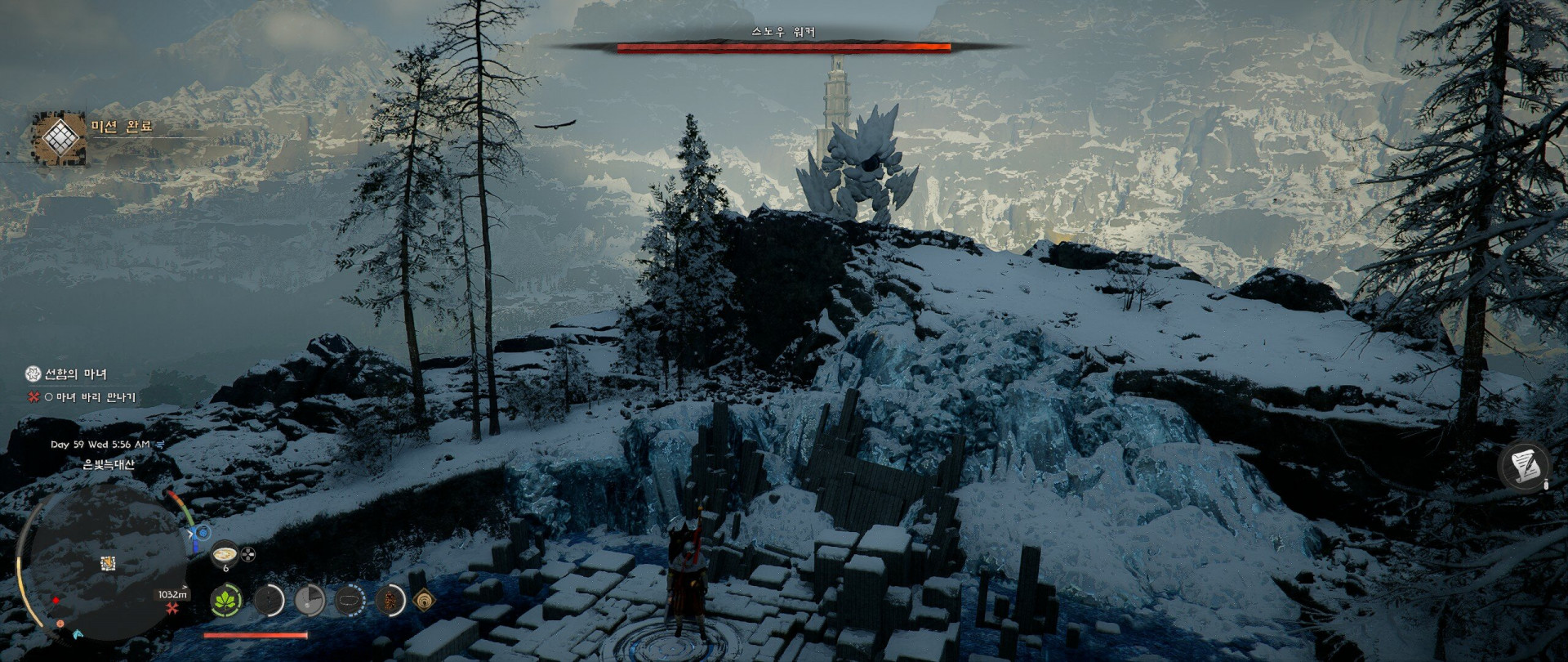
Exploring snow-covered mountains
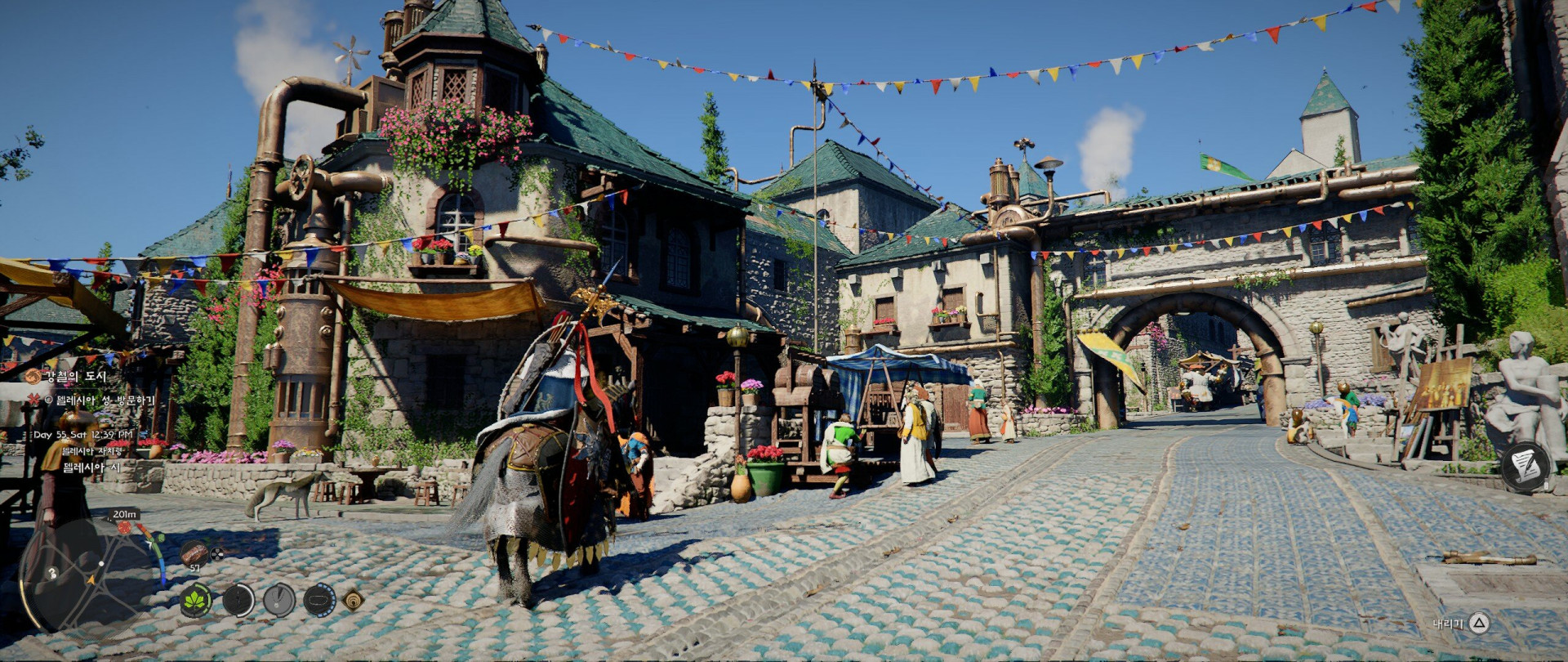
Navigating a steampunk machine civilization
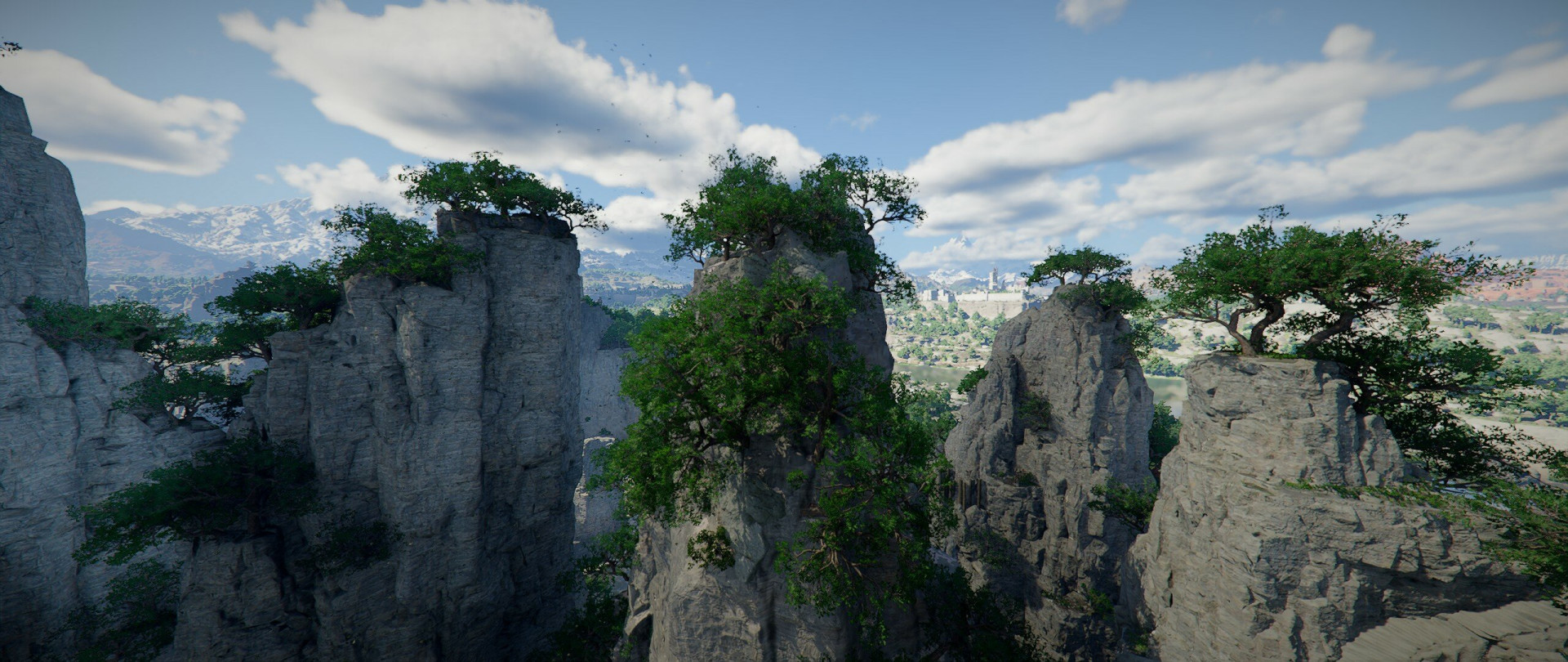
Exploring Zhangjiajie with Kliff
Each region is filled with quests and exploration content. The main quest alone takes 50 to 80 hours to complete, with numerous side quests adding to the depth of the game. The world is not just vast but also dense with content.
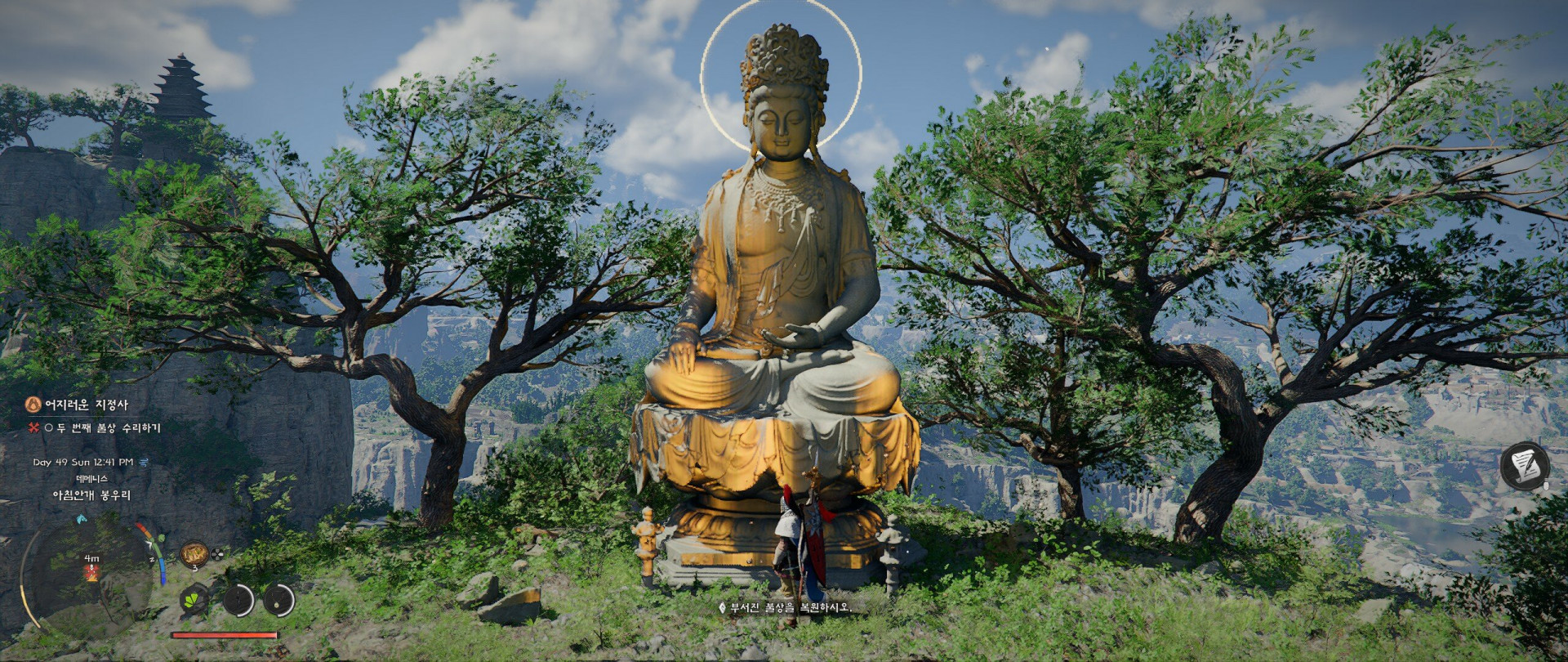
Encountering the Buddha
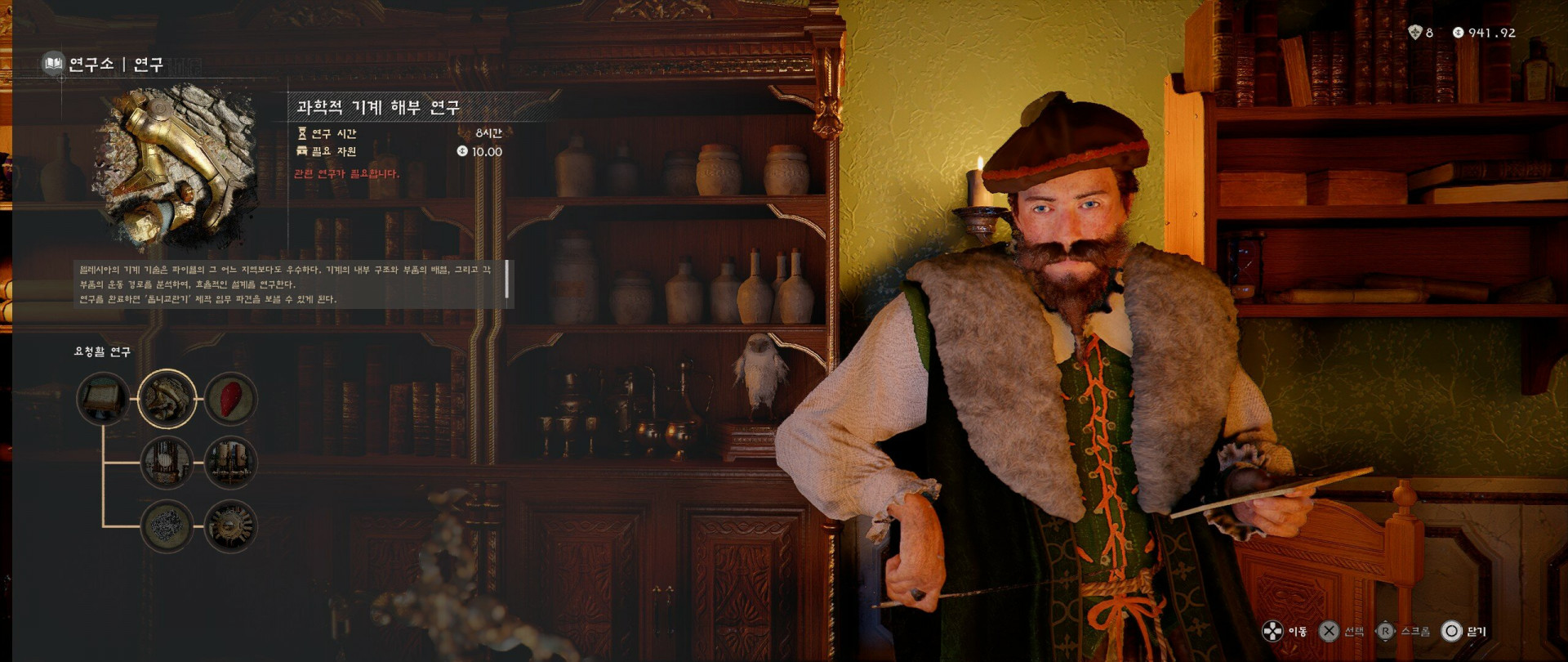
Exploring each region for endless content
As you gather the Greymanes and expand your camp, new content continuously unfolds. From improving relations with local factions to crafting dishes and potions, the game offers a wealth of activities to engage with.
The visual impact of Pywel is striking, with contrasting day and night cycles adding to the immersive experience.
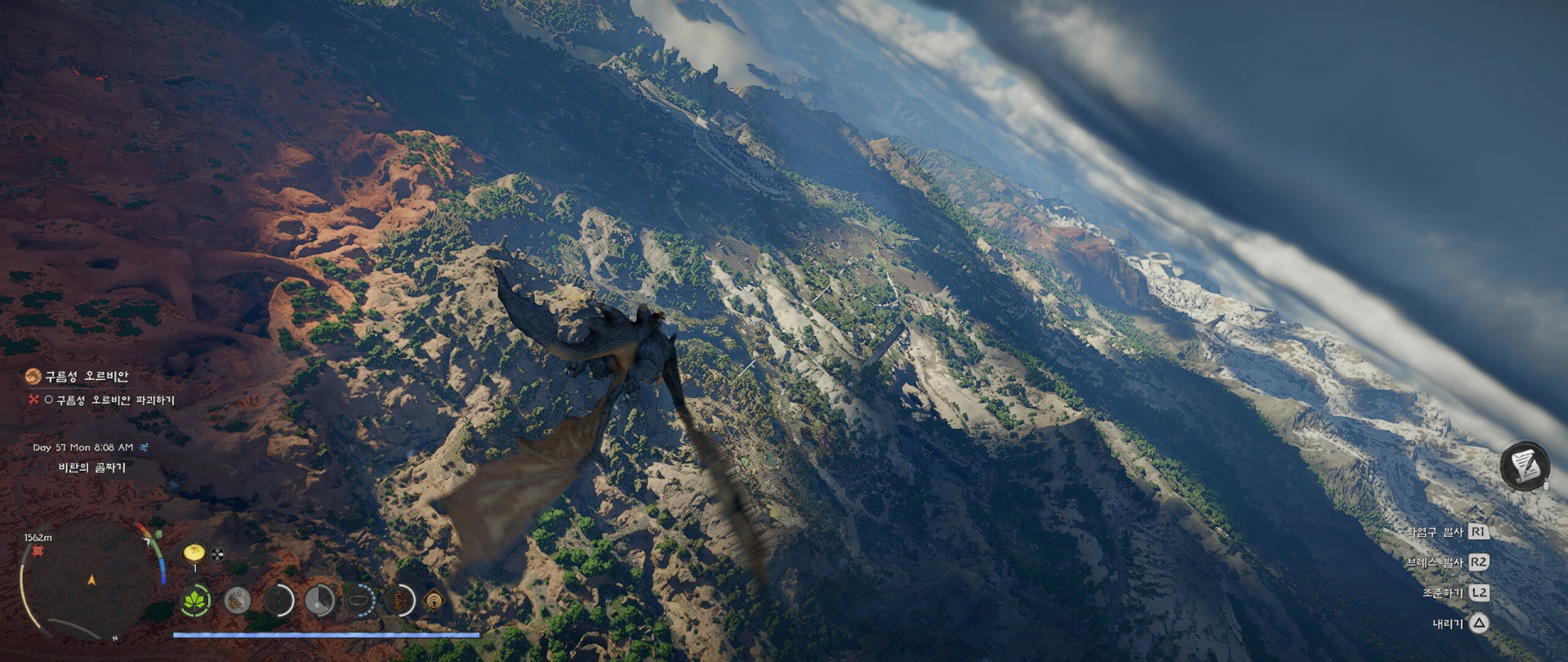
The breathtaking visual impact of Pywel
Action direction like no other
Crimson Desert’s promotional videos focus heavily on combat, showcasing the game’s elaborate combat system as a standout feature. The combat mechanics are meticulously designed and offer a thrilling experience.
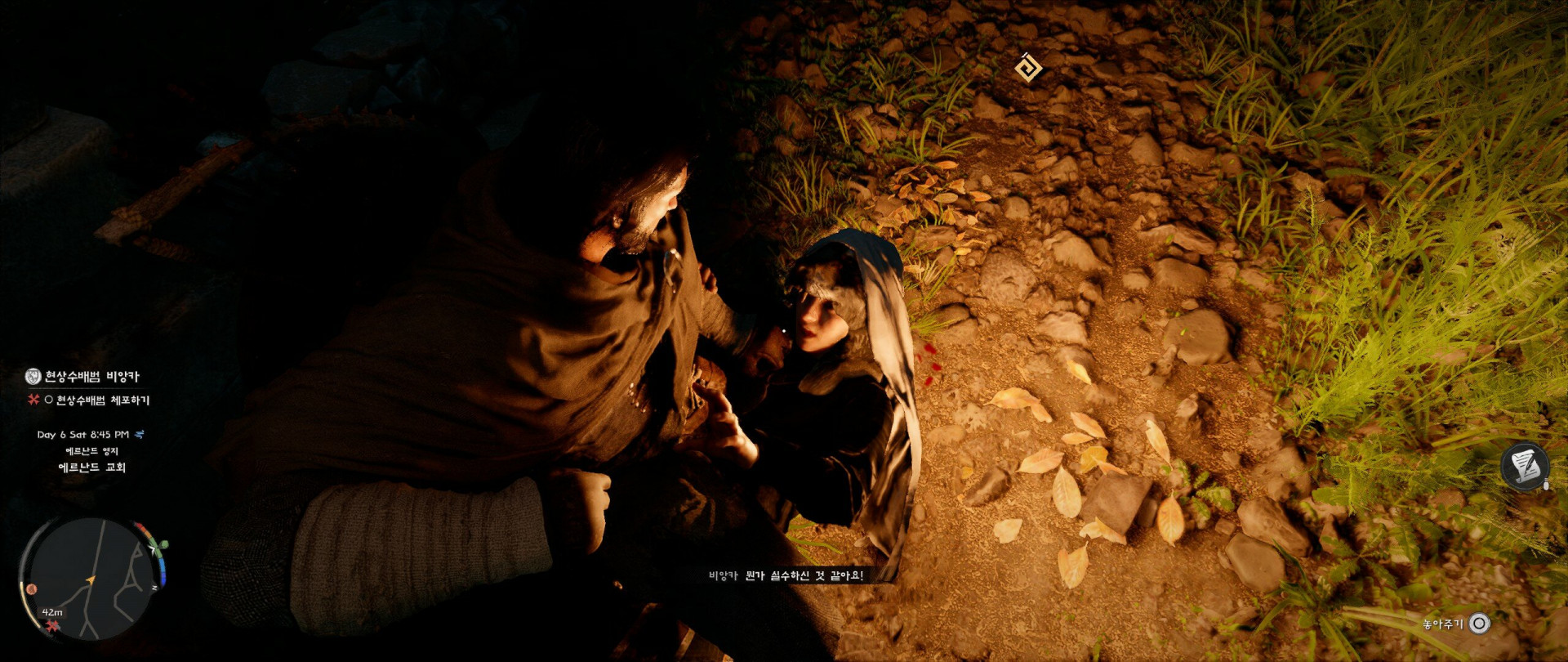
Kliff’s combat prowess
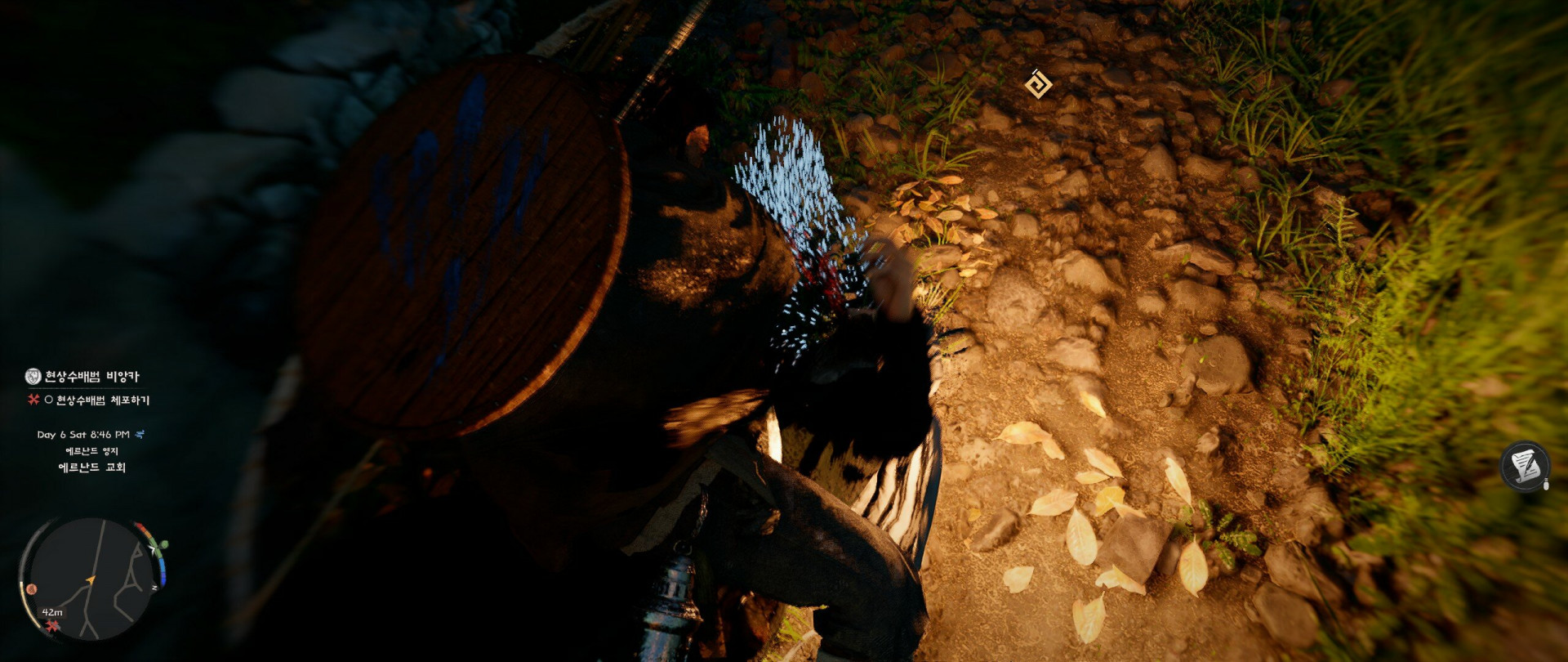
Intense combat encounters
The combat system features pro-wrestling-inspired techniques that add depth to the gameplay. The variety of moves and their impact on the environment enhance the combat experience, though some techniques can be risky if not executed carefully.

Strategic combat maneuvers
The combat system offers a wide range of techniques, from melee to ranged attacks, providing players with various combat scenarios to explore. The Abyss Gear adds a layer of complexity with weapon-specific effects that can alter the course of battle.

Strategic gear choices in combat
Boss battles in Crimson Desert are challenging, with hundreds of enemies to face simultaneously. The combat mechanics, including special abilities like Abyss Gear, add depth to the gameplay and offer a dynamic combat experience.

Challenging boss battles
The combat sequences in Crimson Desert are not just limited to gameplay but also shine in the cutscenes, showcasing well-choreographed fight scenes that could rival those in action films.

Action-packed combat encounters
A mass of colliding content—where is the direction?
Despite its strengths, Crimson Desert lacks a clear overall direction, resulting in a game with pronounced strengths and weaknesses that often clash rather than complement each other.
The game’s numerous elements tend to interfere with each other rather than enhancing the overall experience, leading to a game filled with inconveniences and design choices that hinder its strengths.
A major issue in Crimson Desert is the lack of a cohesive direction, with various elements conflicting and overshadowing the game’s potential strengths.
Many elements in the game seem to clash rather than blend harmoniously, resulting in a gameplay experience filled with frustrations and barriers to enjoyment.
While the open world is vast and visually appealing, quest designs and gameplay mechanics often create obstacles that detract from the overall experience.
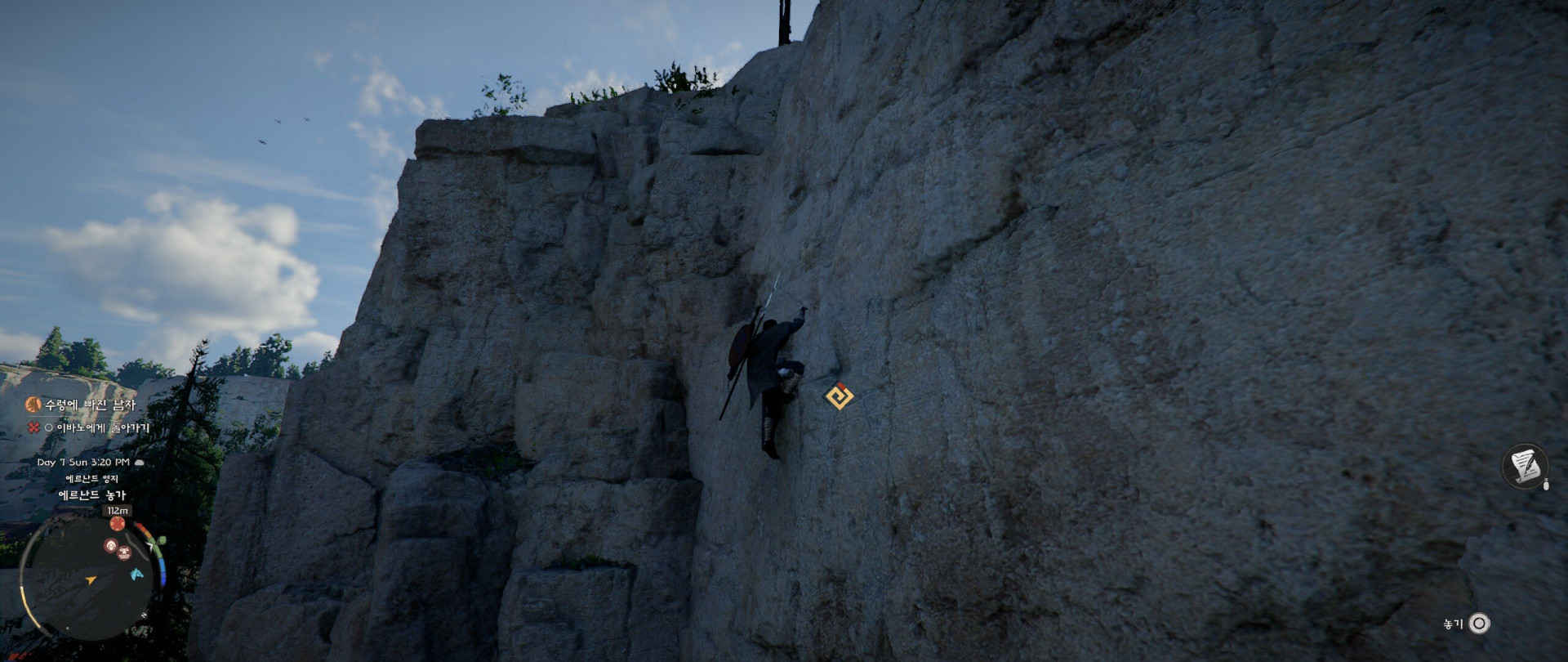
Challenging quest routes
The expansive open world, while visually stunning, can sometimes feel laborious due to level design choices that impact the overall gameplay experience.
Combat strengths are offset by poorly organized systems, with many techniques proving ineffective in crucial boss fights.
In combat, players face significant challenges due to the lack of invincibility frames, requiring precise timing and strategy to navigate boss battles effectively.

Precise combat maneuvers
Boss fights in Crimson Desert require strategic gameplay, with a focus on dodging and finding openings to deliver effective attacks.

Combat in Crimson Desert revolves around adapting to boss patterns and landing strategic hits, with many techniques proving less effective in crucial moments.
Challenges in combat encounters
Several game systems in Crimson Desert lack meaningful integration, adding complexity without enhancing the overall gameplay experience.
The assassination system in Crimson Desert lacks practical application, as gameplay situations rarely align with the mechanics required for successful assassinations.
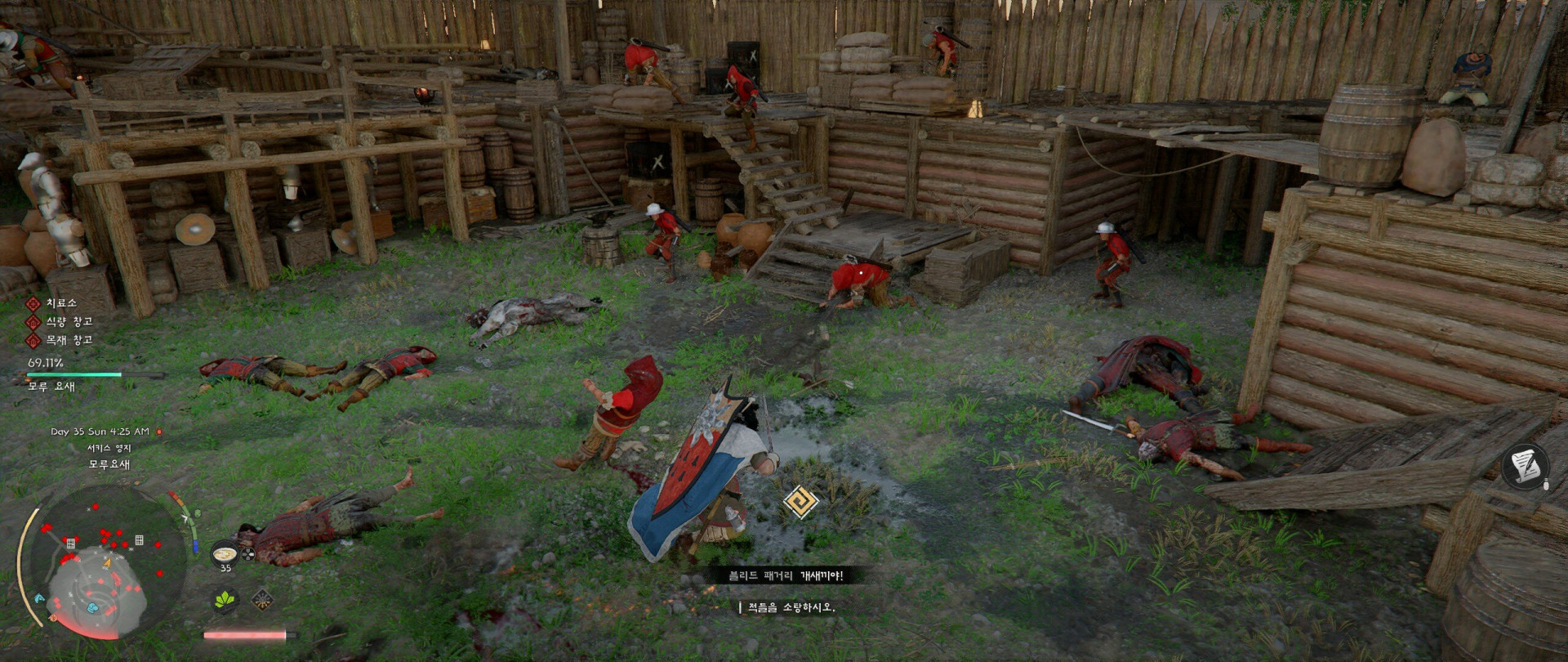
The assassination system in Crimson Desert lacks practical utility due to gameplay design choices that limit its effectiveness.
Certain gameplay elements, like the early-game special outfit system, lose relevance as the game progresses, leading to underutilized features.
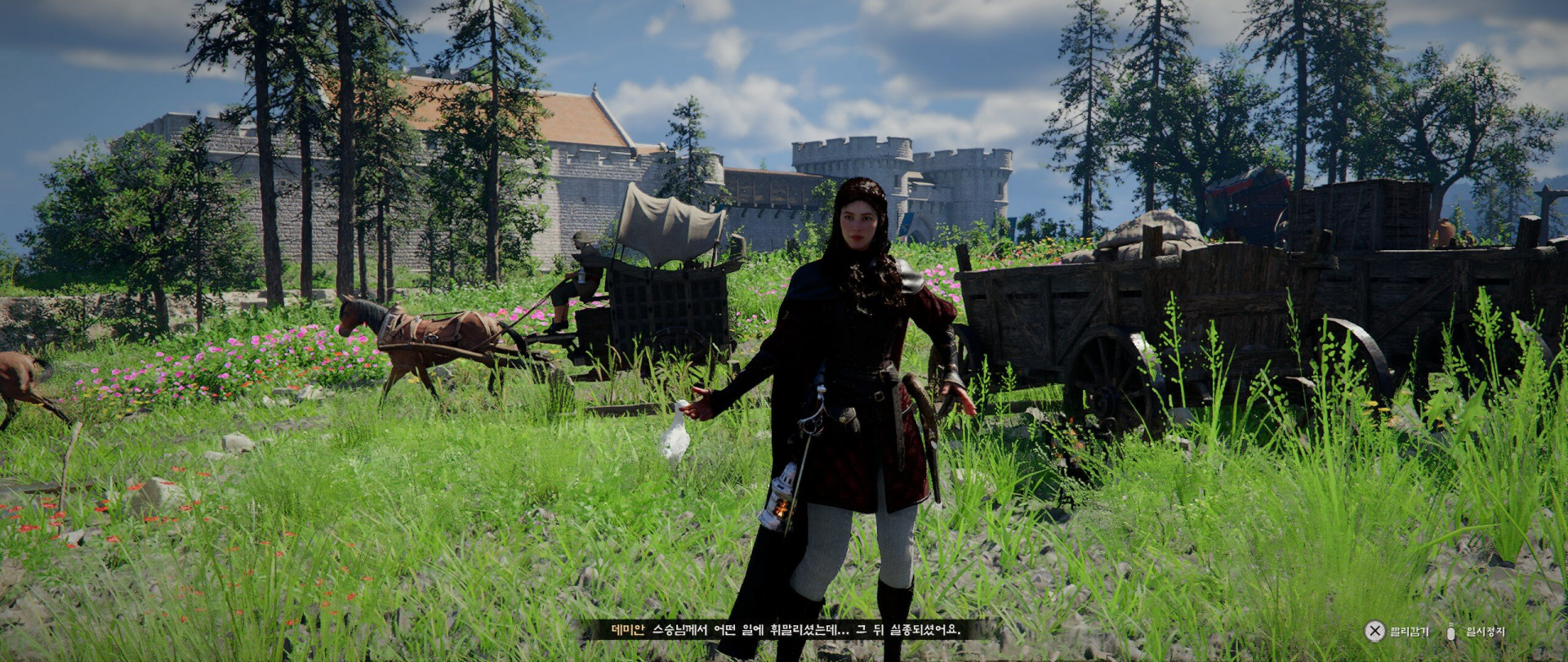
Unused character features
Crimson Desert features numerous systems that add complexity without enhancing the gameplay, resulting in a cluttered and convoluted gaming experience.
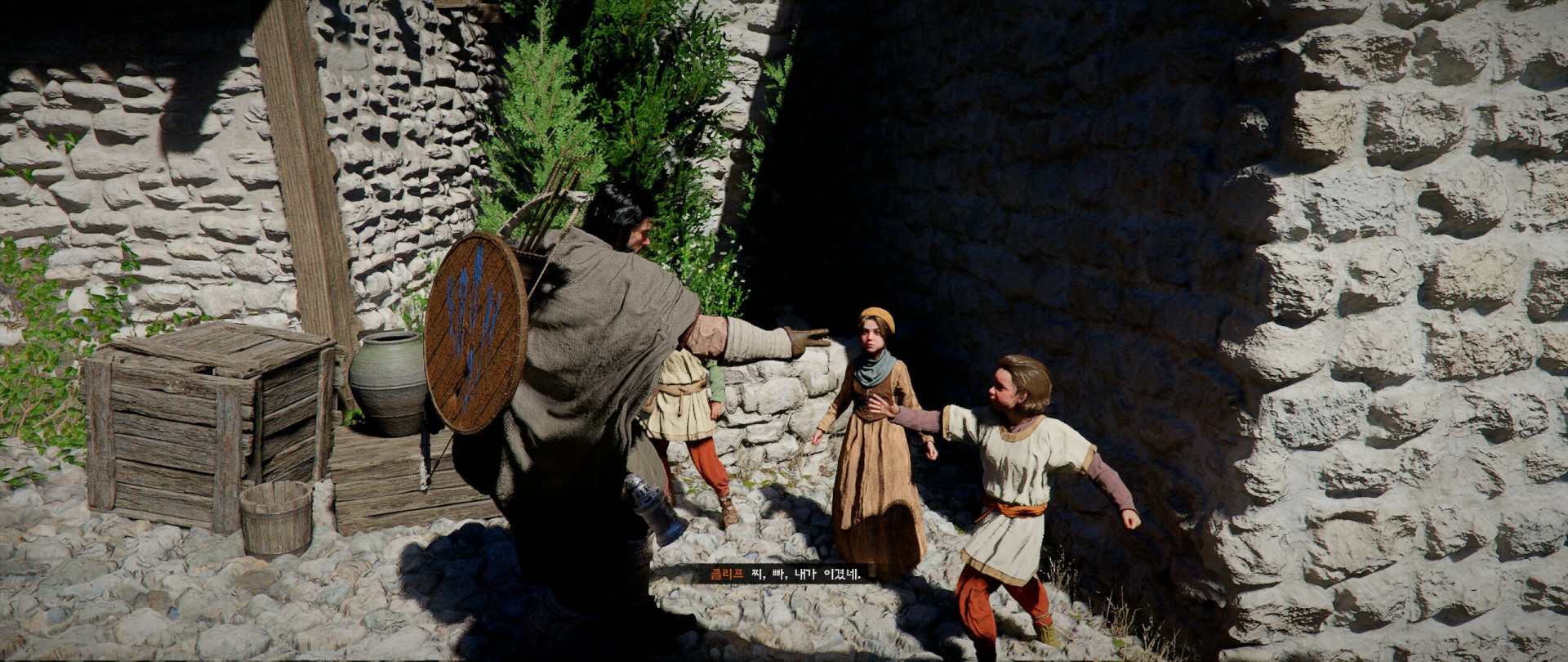
Redundant game features
The game’s excessive elements create a sense of confusion and chaos, detracting from the overall gameplay experience.
Even after dozens of hours, the question marks never stop
While exploring the game’s vast world and engaging with its myriad components, players are often left with unanswered questions and a sense of bewilderment.
Crimson Desert presents numerous challenges and obstacles that test the player’s patience, from unclear quest progression to inconsistent combat difficulty.

Challenging parkour missions
The game’s hidden elements and inventory management add layers of complexity, making it challenging for players to navigate the world and progress effectively.
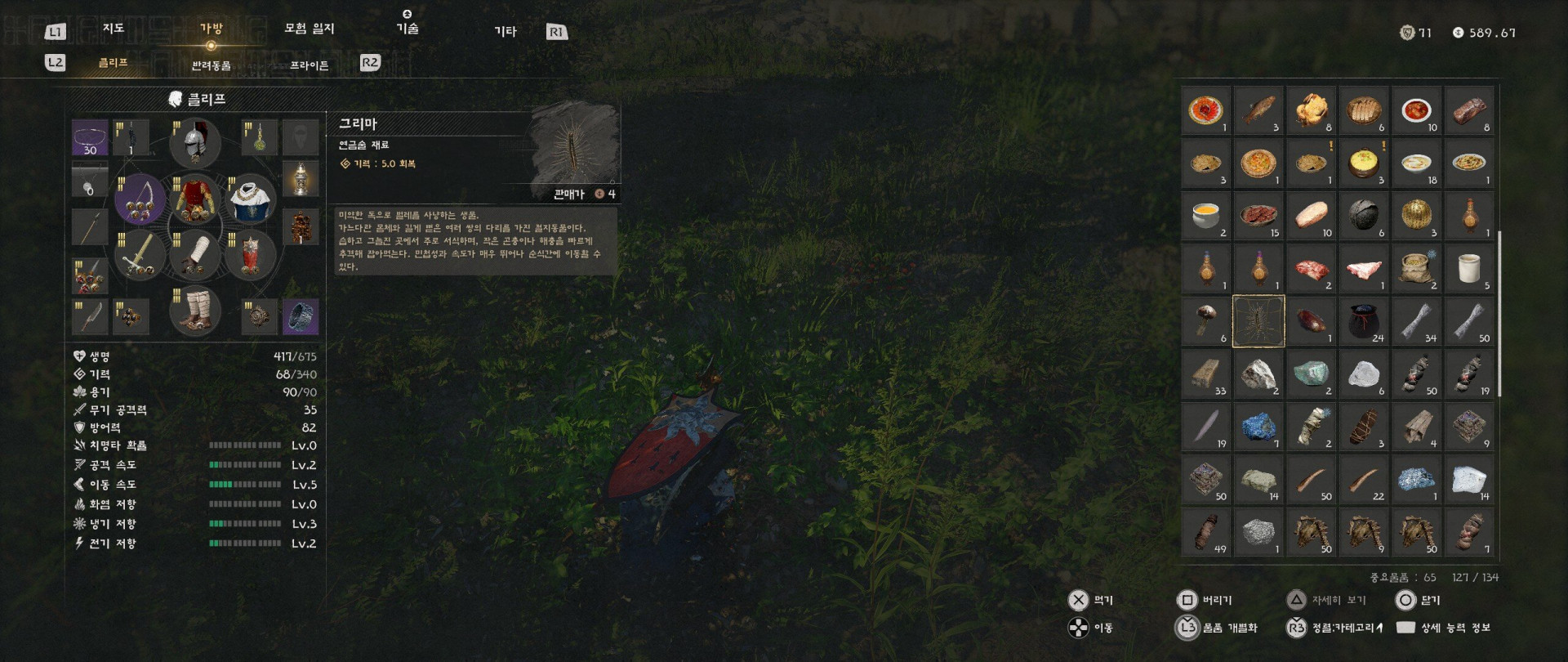
Overwhelming inventory management
Inventory management in Crimson Desert is a cumbersome task, with the lack of a storage system forcing players to carry numerous items and materials throughout their journey.