Table of Contents
The Future of Intel: Accelerating Innovation with the 14A Node
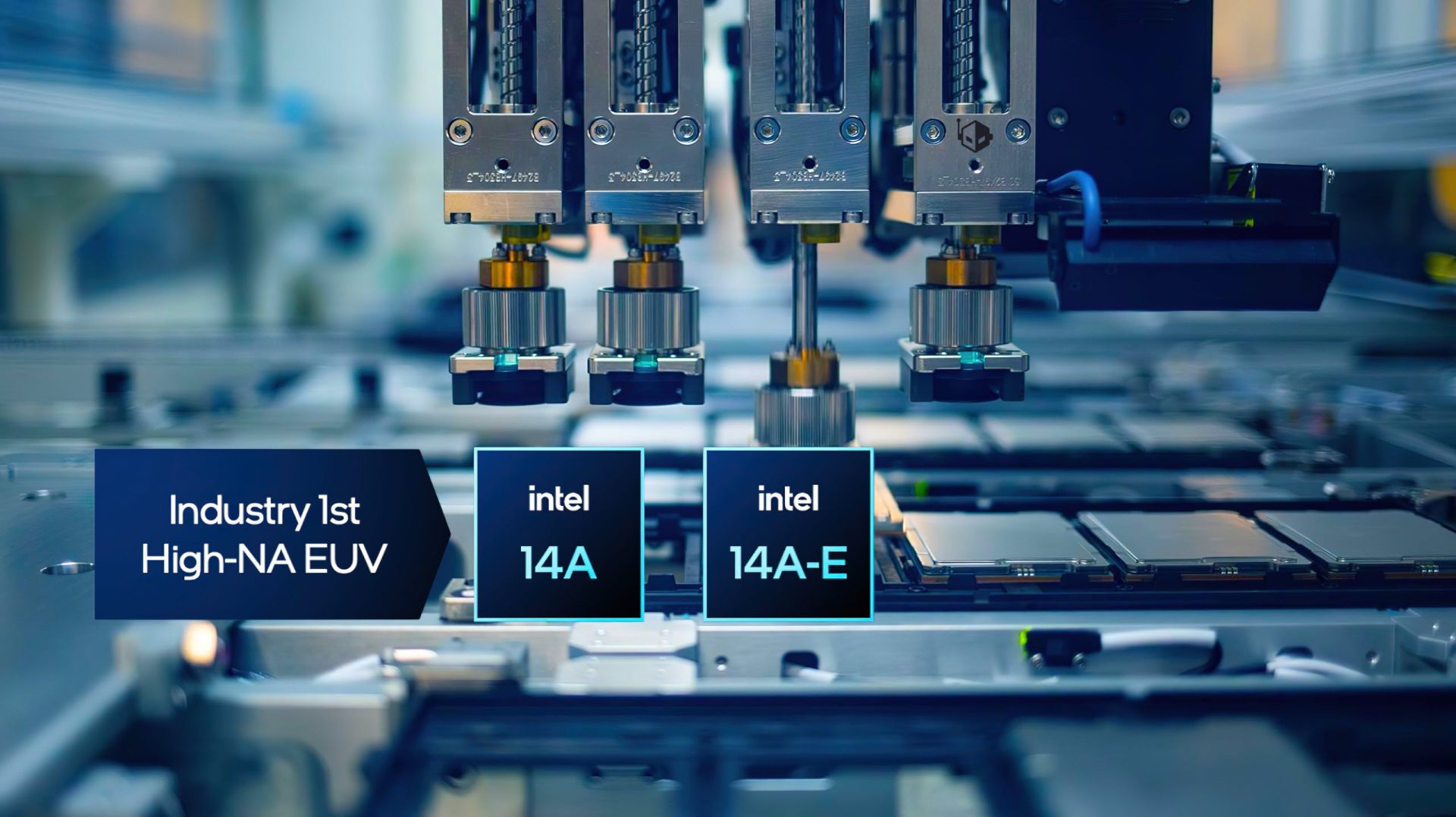
Intel is making waves in the tech industry with its ambitious plans to expedite the production timelines for its cutting-edge 14A process. Originally slated for 2028, Intel has now pushed the commencement of risk production to the first quarter of 2027, showcasing its commitment to innovation and progress.
Breaking News: Intel’s Leap into the Future
Recent reports from Intel’s earnings call for Q2 2026 highlighted significant developments, including the acceleration of risk production for the 14A node to 2027. CEO Lip-Bu Tan revealed that the commencement of risk production is now expected in the first quarter of 2027, signaling a pivotal moment in Intel’s technological advancements.
This strategic move aligns with Intel’s goal to enhance its chip fabrication processes, with the 18A-P node already in risk production. The rapid progress of the 14A node, with a defect density milestone of 0.5 in June 2026, sets the stage for further improvements leading up to Q1 2027.
The Science Behind the Innovation
Understanding the significance of defect density (D0) is crucial in grasping the advancements in chip fabrication processes. As Intel refines the 14A process, achieving a D0 of 0.1 to 0.2 by early 2027, the industry anticipates a surge in yields and performance.
David Zinsner, from Intel, emphasized the remarkable progress of the 14A process, comparing it to the golden era of semiconductor innovation in 2012. This accelerated pace of development underscores Intel’s commitment to pushing the boundaries of technology.
Revolutionary Features of Intel’s 14A Node
- The RibbonFET 2 transistors and Gate-All-Around (GAA) architecture enable precise control over transistor functions, enhancing performance and minimizing power leakage.
- The PowerDirect system relocates power delivery to the back of the silicon wafer, optimizing front-side routing for data signals and increasing density while reducing electrical resistance.
Analyst Jeff Pu’s projections for Intel’s 14A node production volume indicate a promising future, with estimates of 6,000 wafers per month in 2027 and 24,000 wafers per month in 2028. These figures underscore Intel’s confidence in the scalability and efficiency of its advanced chip fabrication processes.
Conclusion: Paving the Way for Technological Advancement
Intel’s accelerated timeline for the 14A node risk production signifies a bold step towards innovation and progress in the semiconductor industry. With cutting-edge features and promising production volume projections, Intel is poised to lead the way in shaping the future of technology. Stay tuned for more updates as Intel continues to redefine the boundaries of possibility.