Table of Contents
Introducing the Revolutionary 512 GB DDR5 Memory Module by Micron
In a groundbreaking development, Micron has unveiled the world’s first 512 GB DDR5 memory module, capable of reaching speeds of up to 9200 MT/s. This innovation is set to revolutionize next-generation servers and cater to the growing demands of AI and memory-intensive workflows.
AI Demand and Memory Technology
The increasing reliance on agentic AI and data-heavy processes has pushed the boundaries of DRAM requirements. To address this, memory vendors like Micron are at the forefront of developing cutting-edge technologies to meet the evolving needs of the market.
Micron’s Latest DDR5 Module
Micron’s newest product is designed to cater to these demands by offering a staggering 512 GB of DRAM capacity and speeds of up to 9200 MT/s. This makes it the most densely packed and fastest memory solution available for enterprise customers. The module incorporates Micron’s advanced vertical interconnect packaging solution, which stacks DRAM dies vertically and connects them through TSVs. As a result, data center platforms can now benefit from up to 12 TB of DDR5 memory in a single 24-slot 2-socket server.

Achieving New Heights in Memory Innovation
Press Release: Micron Technology has marked a significant milestone in memory innovation with the successful demonstration of the world’s first 512GB DDR5 module on various server platforms. This breakthrough highlights Micron’s leadership in high-performance, high-capacity server memory, providing enterprise data centers and cloud customers with the capability to handle large AI, analytics, in-memory database, and simulation-heavy workloads more efficiently. Industry giants like AMD and Intel are actively validating this module, which promises speeds of up to 9,200 MT/s.
The high capacity of this module is made possible by Micron’s innovative vertical interconnect packaging techniques. By stacking DRAM dies vertically and connecting them through through-silicon vias (TSVs), Micron has maximized density within individual DRAM packages while maintaining the performance needed for modern data center architectures. This advancement allows for up to 12 TB of DDR5 DRAM in a single 24-slot dual-socket server.
“Micron continues to set the pace for memory technology, delivering a new class of ultra-dense, high-performance server memory that helps customers keep larger datasets closer to the compute engines that need them,” said Raj Narasimhan, senior vice president and general manager of the Cloud Memory Business Unit at Micron. “A 512GB RDIMM enables multi-terabyte servers, supporting larger AI and database workloads, greater virtualization density and improved power efficiency, all within existing server footprints.”
Partnerships and Validation
Micron is working closely with key ecosystem partners to validate the 512GB DDR5 RDIMM across next-generation server platforms, ensuring broad compatibility and a seamless path to deployment.
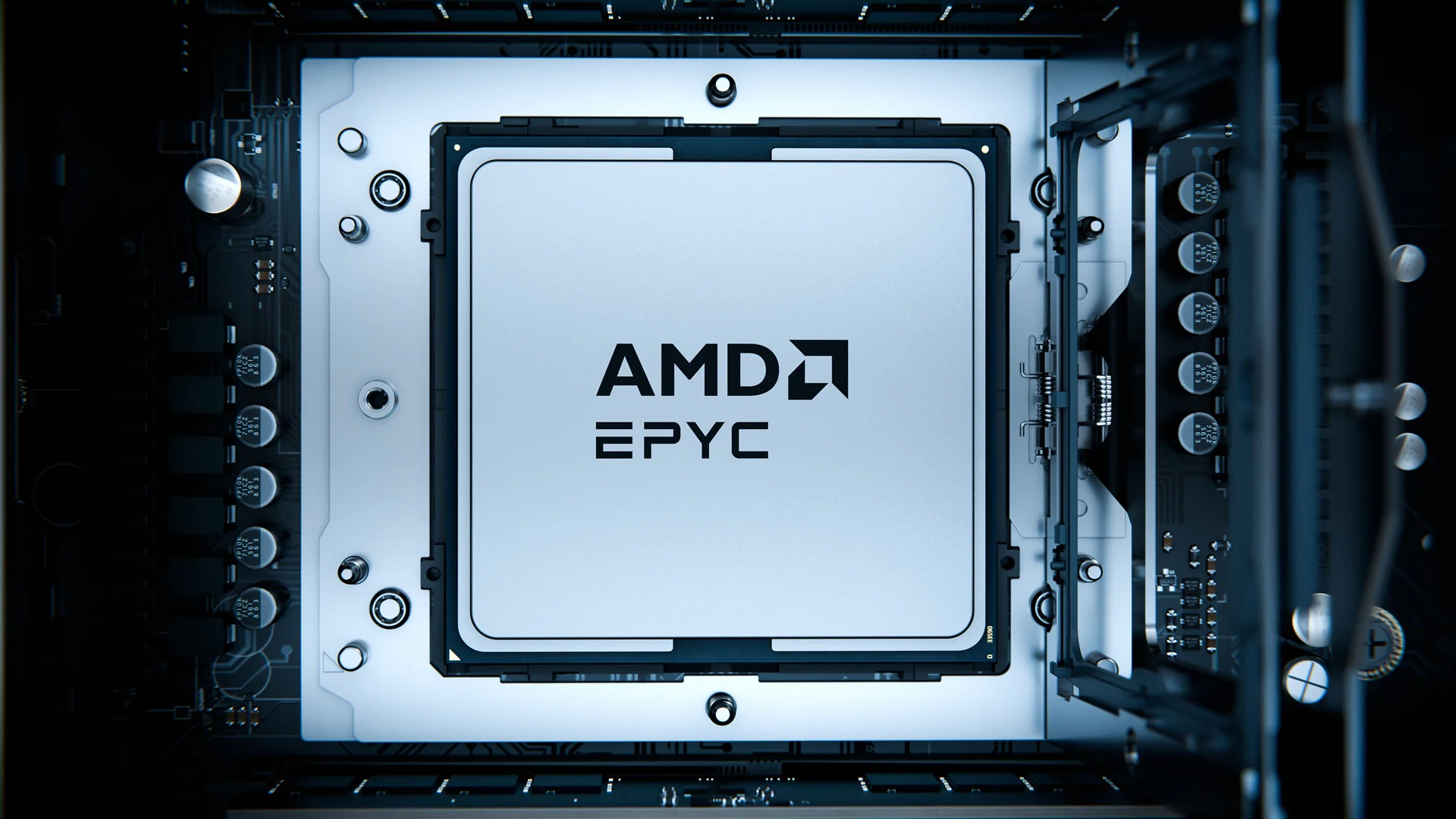
“AMD solutions continue to advance data center performance, scalability and efficiency as AI and data-intensive workloads reshape infrastructure requirements,” said Amit Goel, corporate vice president, Compute and Enterprise AI Platform Solutions Engineering, AMD. “Our close engineering collaboration with Micron brings compute and memory innovation together to help customers realize the full value of AMD-powered platforms. Together, we’re enabling balanced, high-performance infrastructure for the growing scale and complexity of modern workloads.”
“The growth of AI and other data-intensive workloads is placing new demands on server infrastructure, making memory capacity and bandwidth increasingly important to overall system performance,” said Karin Eibschitz Segal, general manager of platform and system engineering in Intel’s Data Center Group. “Intel is working closely with Micron to validate its 512GB DDR5 RDIMM and help enable future server platforms designed to meet the growing demands of next-generation data center workloads.”
Addressing Memory Demands
The rise of large language models, agentic AI, real-time inference, and high-core-count CPU workloads has led to a surge in the need for greater server memory capacity, higher bandwidth, and improved power efficiency.

Micron’s 512GB RDIMMs are designed to cater to these demands by allowing larger datasets to reside in main memory, reducing the need for slower storage tiers and minimizing data movement costs. Additionally, the 512GB RDIMM offers improved efficiency, reducing operating power by over 60% compared to using four 128GB RDIMMs.
For memory-bound workloads like Spark Support Vector Machines (SVM)-based data analytics, the Micron 512GB RDIMMs can deliver up to 1.4 times higher performance than 256GB DDR5 configurations. This module also provides significant benefits for memory-intensive databases and caching platforms, enhancing throughput, concurrency, and scalability.

About the author: A Software Engineer by training and a PC enthusiast by passion, Hassan Mujtaba serves as Wccftech’s Senior Editor for the hardware section. With extensive experience in the industry, he specializes in in-depth technical analysis of next-generation CPU and GPU architectures, motherboards, and cooling solutions. Hassan’s work involves breaking news on upcoming technologies, conducting hands-on reviews, and benchmarking hardware components.
Follow Wccftech on Google to stay updated with our latest news coverage.
Conclusion
Micron’s unveiling of the 512 GB DDR5 memory module represents a significant leap in memory technology, catering to the escalating demands of AI and data-intensive workflows. With its high capacity, blazing speeds, and innovative design, this module is set to redefine the capabilities of next-generation servers and empower enterprises to handle large datasets and complex workloads with ease. As partnerships and validations continue, the future looks bright for Micron’s groundbreaking memory solution in shaping the landscape of data center technologies.