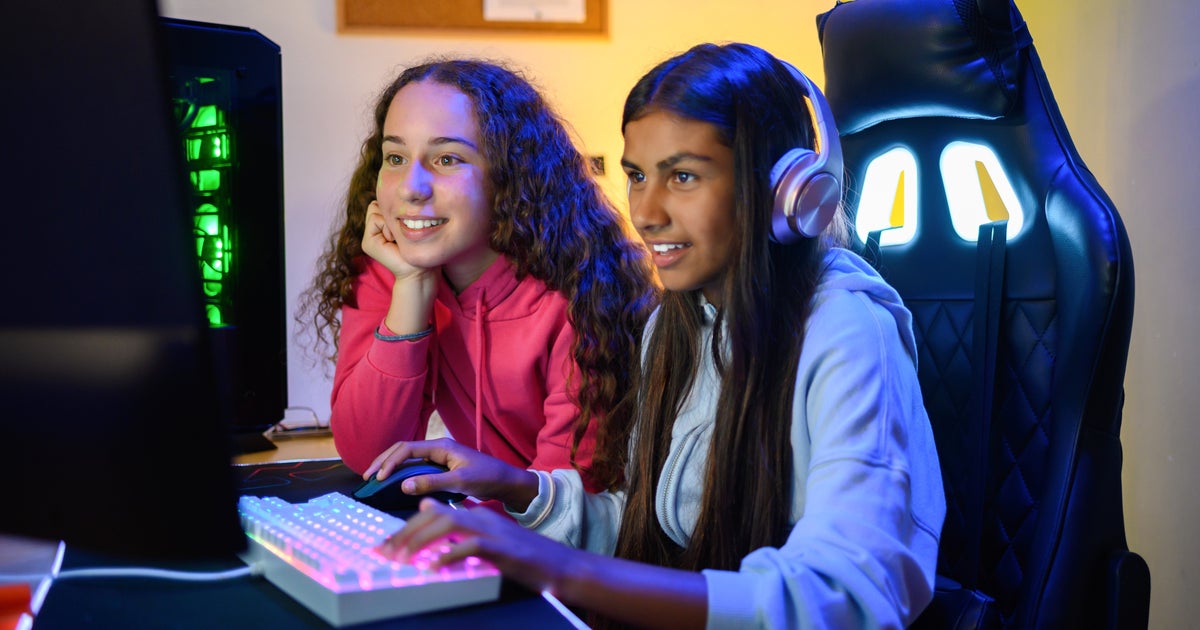
Discussion surrounding the impact of video games on young people’s mental health often overlooks the positive role they can play. While parents often blame games for anxiety, isolation, and poor sleep, researchers find that the reality is more complex. Games can serve as a lifeline for socially anxious kids, a coping mechanism for those with ADHD, and a space where isolated teens feel competent and connected.
Despite these findings, the negative narrative tends to dominate the conversation, overshadowing the benefits games can offer. As the charity director of Safe In Our World, a mental health organization for gamers and game developers, I see the importance of acknowledging this contradiction. The loudest voices are not always the most helpful.
In California, where numerous game studios are located, millions of families have gaming devices at home, with many children spending time in virtual worlds. However, lumping all screen time together fails to address the unique experiences of each individual.
For many young people, gaming communities provide a sense of capability and acceptance.
While some games and online spaces may contribute to negative outcomes like isolation and anxiety, others offer opportunities for problem-solving, teamwork, and a sense of belonging. For young individuals who struggle to find acceptance in traditional settings, gaming communities can be a place where they feel valued and competent.
The key difference between a positive and negative gaming experience lies in the context rather than the game itself. How a child feels after logging off, whether the space promotes connection or feeds compulsions, and whether adults engage with this world all impact the experience. Safe In Our World collaborates with studios and clinicians to support players’ mental health and provide parents with resources rather than imposing blanket bans.
Simply restricting gaming without understanding its value to a child fails to address their underlying needs and removes a source of fulfillment. Instead, parents should approach the topic with curiosity, asking about their child’s gaming activities, playing alongside them, and assessing the games for their potential benefits.
Engaging with your child’s gaming habits can strengthen your relationship and provide insight into their interests.
By engaging with your child’s gaming habits, you can better understand what attracts them to a particular game and use this as an opportunity to bond. Pay attention to how the game sparks creativity, fosters social connections, and adds value to their life.
On World Mental Health Day, let’s move beyond sensationalist headlines and strive for a deeper understanding of the positive aspects of gaming for young people. Rather than demonizing games, we should focus on supporting healthy gaming habits and recognizing the benefits they can bring.
Video games themselves are not the threat to mental health that they are often portrayed to be. The real risk lies in ignoring the potential positive impact they can have on individuals.