How Esports Events Became Live Entertainment Platforms

by John Garrett
0 comments

Image credit: ESL – Helene Kristiansson

Just like traditional sports, esports has its own passionate fan base that adds to the overall atmosphere of events. Teams like Team Vitality in League of Legends have their own dedicated fan groups, known as ultras, who bring banners, flags, and chants to create an electrifying environment in the arena. This type of fan culture is reminiscent of football stadiums in Europe, where ultras play a significant role in supporting their teams.

Team Vitality’s ultras have become synonymous with the team’s success and have been known to travel across Europe to show their support at various events. Their presence adds an extra layer of excitement to tournaments and helps create a sense of community among fans.

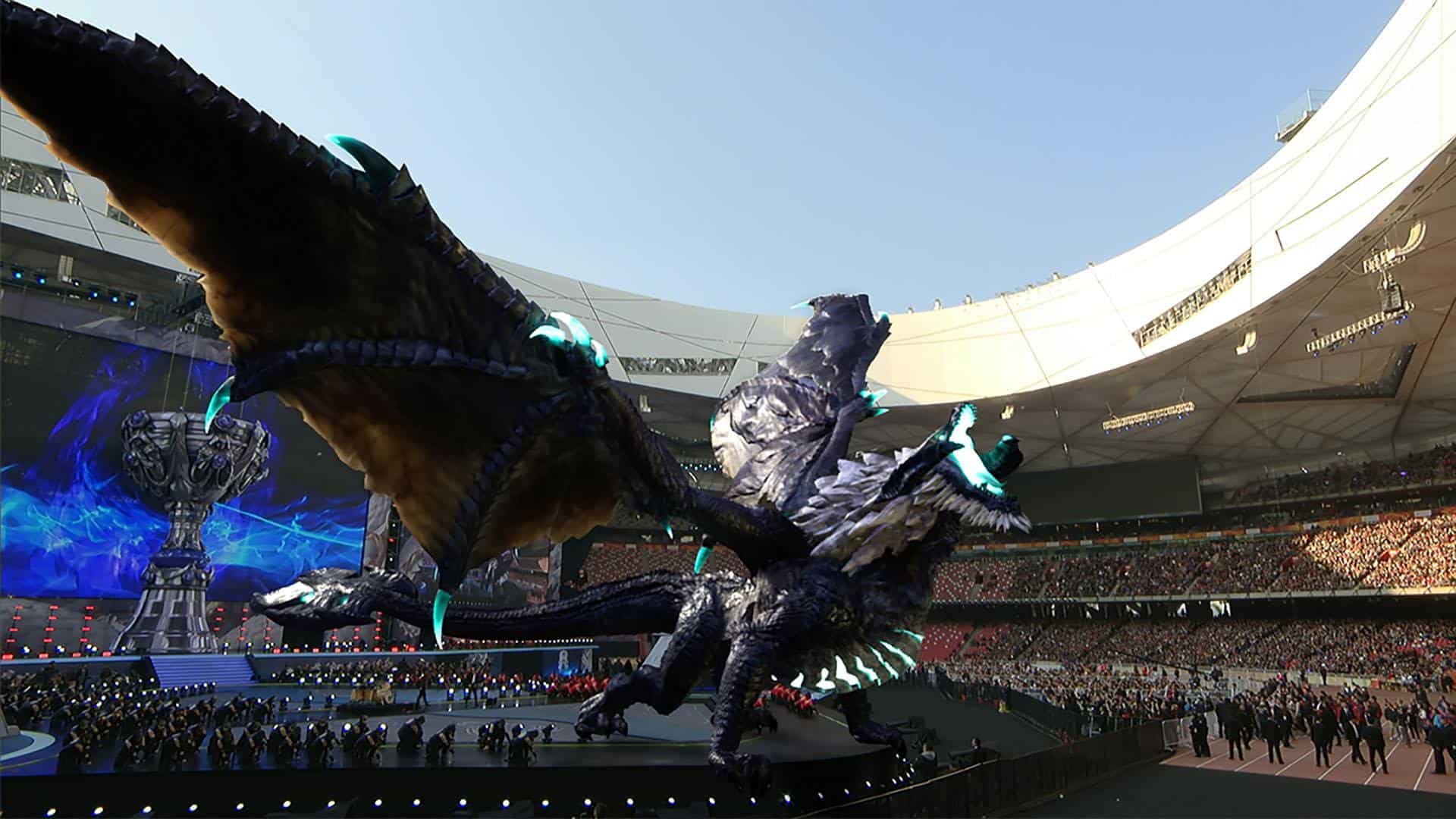
Esports events are no longer just about the competition—they have evolved into full-fledged entertainment experiences that cater to a global audience. By combining elements of traditional sports, music, and fan culture, tournament operators are creating immersive spectacles that appeal to a wide range of viewers and fans.

Image credit: Team Vitality

As a result, esports tournaments have the power to bring people together on a global scale, building dedicated fan bases that strongly resemble the passionate supporters seen in football ultras. These moments not only create unity but also open up various commercial opportunities such as highlight clips, sponsor integrations, merchandise sales, and the establishment of fan traditions.

With younger audiences spread across different digital platforms like streaming services, social media, and gaming communities, esports events serve as a valuable way to engage with these fragmented demographics. However, the key lies in transforming cultural relevance into sustainable commercial ventures rather than making assumptions based on generational trends.

For those involved in esports, the real commercial potential lies in the transformation of major events into live entertainment hubs. These events become more than just a gathering of fans; they evolve into platforms for content creation, sponsorship opportunities, and economic growth for the cities hosting them. The challenge now is to monetize these moments effectively rather than relying solely on the spectacle.


Editorial note: This guest article was originally created as part of a project supported by GG.BET, who compensated the writer for their work. The Esports Advocate was not involved in this agreement and did not receive any payment or benefits from GG.BET or its affiliates for this publication.
The opinions and insights shared in this guest article belong to the author and do not necessarily reflect the views of The Esports Advocate. The publication does not imply an endorsement of GG.BET, gambling, or related services.

You may also like