Over the past few years, we’ve sadly grown accustomed to hearing about frequent massive layoffs in various companies. The initial shock has now become more of a numbing routine, as we try to comprehend the impact on those affected while also analyzing the implications for the company’s future.
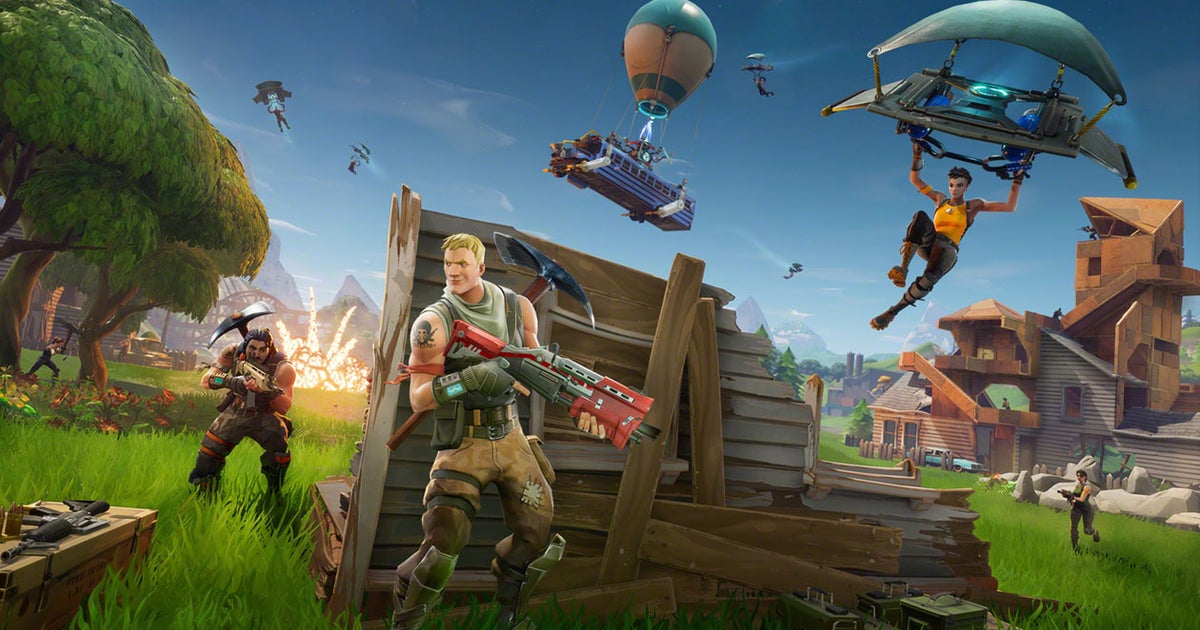
This week, Epic Games made headlines with significant layoffs, eliciting a heightened sense of surprise given the strong presence of both its Unreal Engine and Fortnite game. The extent of the layoffs’ impact remains unclear, with around 20% of the staff affected, but specific details are still scarce.
The focus now shifts to understanding which aspects of the company bore the brunt of the layoffs – whether it was Fortnite, the Epic Games Store, or their experimental ventures.
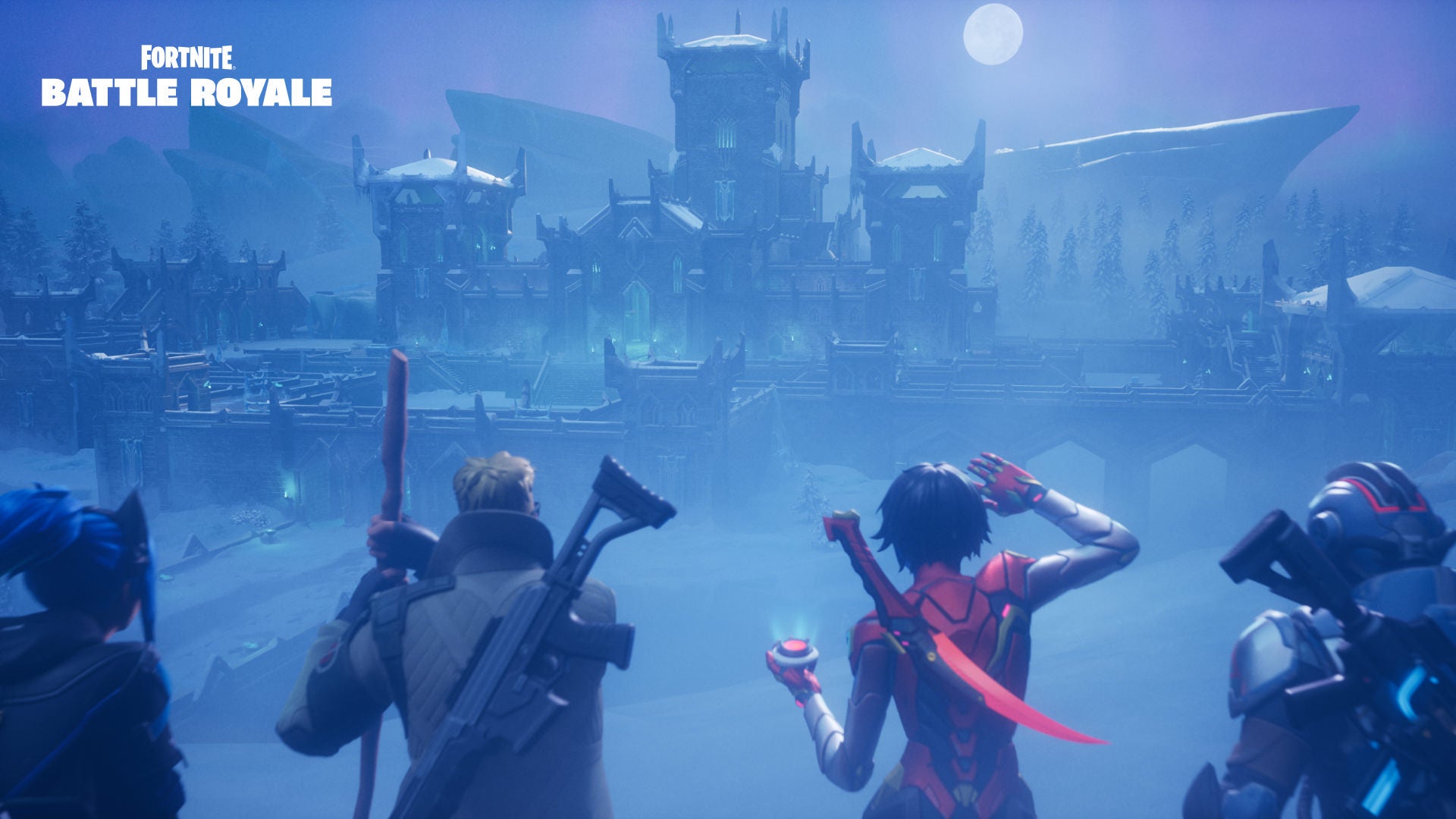
The driving force behind these layoffs appears to be the declining revenues of Fortnite, indicating a more severe downturn than anticipated. Recent data suggests a significant drop in player hours, signaling a challenging year ahead.
Fortnite, once a juggernaut in the industry, is now facing a decline that has prompted strategic actions by Epic to sustain its commercial viability. From raising in-game currency prices to implementing large-scale layoffs, the company is adapting to this new reality.
While any layoffs are regrettable, a massive downsizing due to Fortnite’s struggles raises broader questions about the gaming landscape post-Fortnite era. What does the future hold for an industry that has long chased after the Fortnite model?
Fortnite’s unparalleled success over the past decade has had a profound impact on the industry. It set the standard for live service games, inspiring countless imitators and driving significant investment in capturing a slice of its success.
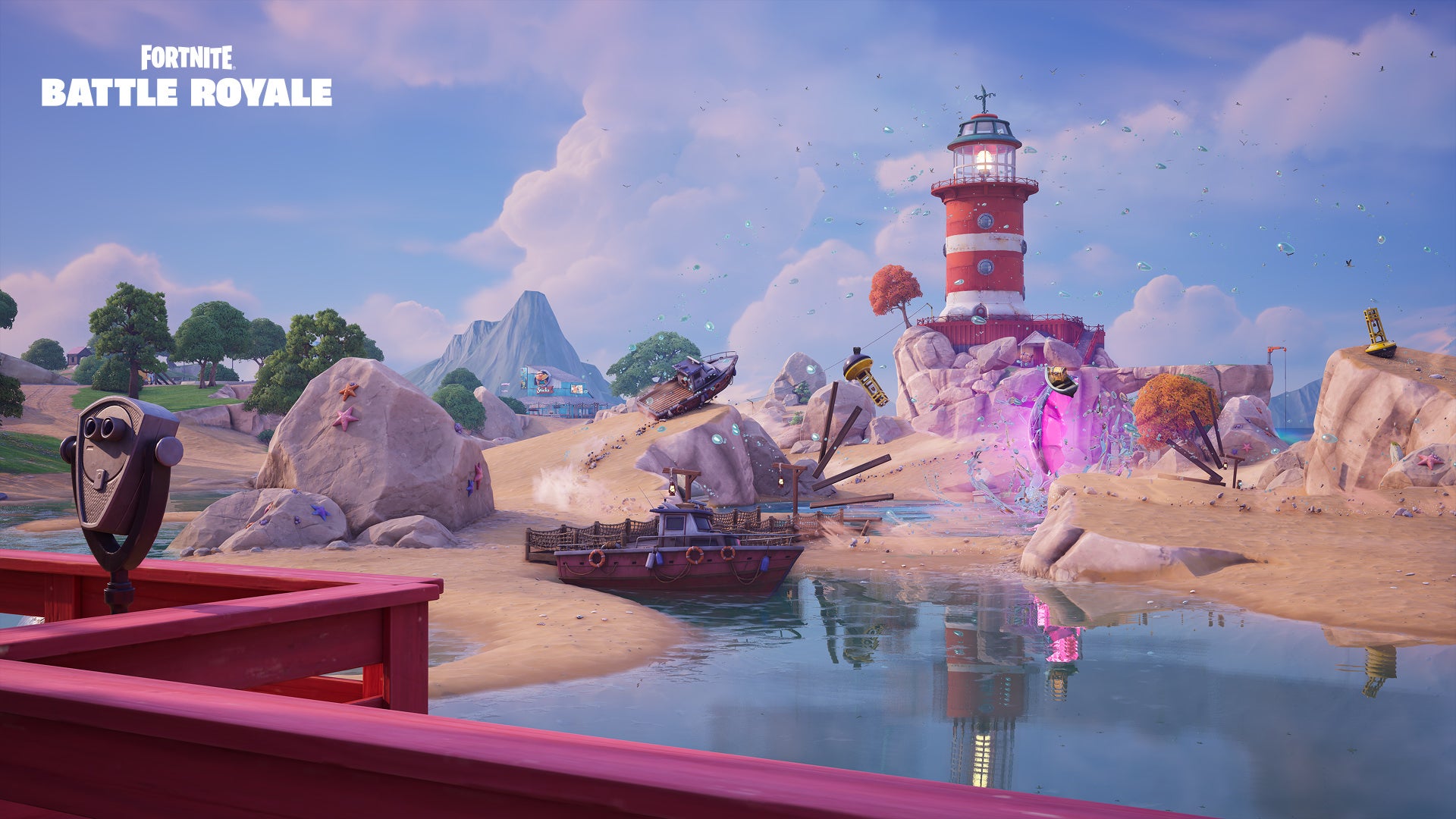
While other companies sought to emulate its success, Fortnite continued to push boundaries, envisioning a perpetual gaming experience that could captivate audiences indefinitely. It aimed to be more than just a game, evolving into a cultural phenomenon that defined a generation of players.
Contrary to Meta’s struggles with its metaverse ambitions, Epic seemed to have achieved what others aspired to. However, as Fortnite’s allure diminishes, the industry is forced to confront a new reality – the ephemeral nature of cultural dominance.
The notion of Fortnite as a lasting digital universe was ambitious but detached from the game’s essence – a dynamic Battle Royale title that captured the zeitgeist for a significant period.
Epic spared no effort in maintaining Fortnite’s cultural relevance, from high-profile collaborations to immersive in-game events. It positioned Fortnite as not just a game but a communal space, a hub for cultural interactions, and a platform for artistic expression.
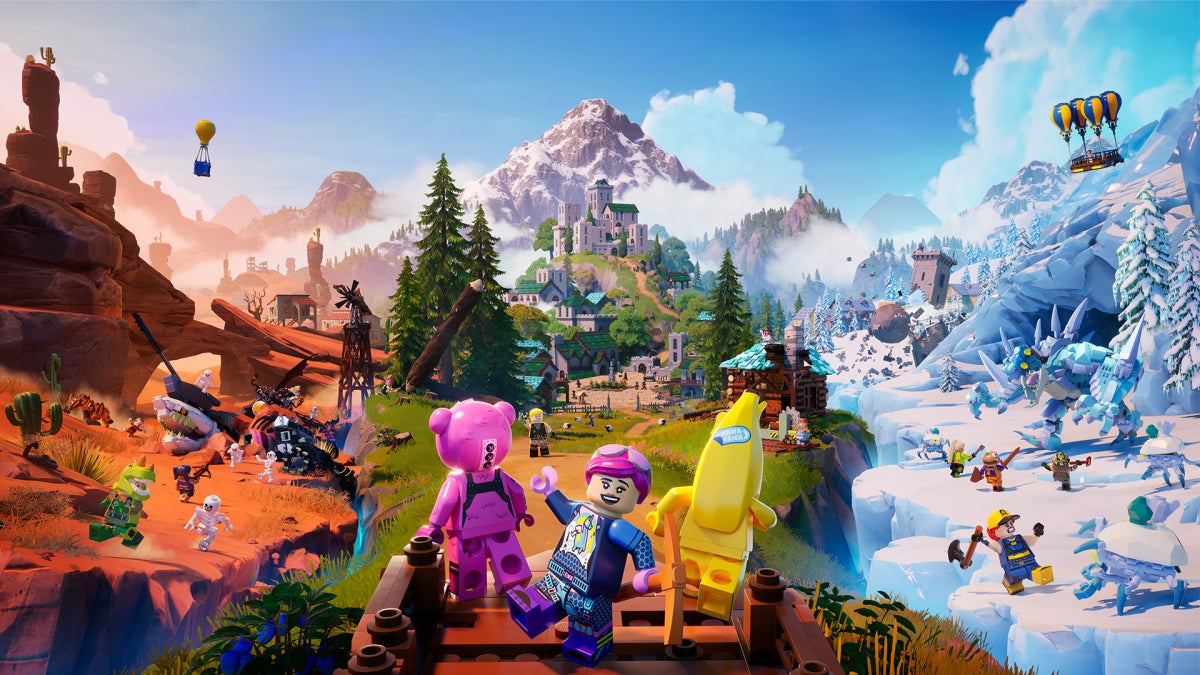
While these efforts yielded results initially, sustaining such momentum proved challenging. Marketing and collaborations can prolong a game’s relevance, but they cannot defy the inevitable evolution of audience preferences.
Fortnite’s struggle to resonate with younger players highlights the transient nature of gaming trends. What once captivated audiences may eventually lose its appeal, paving the way for new experiences and interests.
“If even Fortnite wasn’t truly forever, what has the rest of the industry been chasing for the past decade?”
Accepting Fortnite’s decline as a natural progression challenges the industry to reevaluate its pursuit of a singular, enduring gaming phenomenon. The allure of a perpetual game may offer stability, but true innovation thrives on diversity and creativity.
The acknowledgment of Fortnite’s waning influence serves as a pivotal moment for the industry, dispelling the myth of a singular, everlasting game. It reaffirms that no game can monopolize players’ attention indefinitely.
Looking ahead, there’s an opportunity for the industry to embrace a diverse array of gaming experiences rather than fixating on replicating Fortnite’s success. Building a portfolio of unique hits tailored to different audiences could herald a new era of creativity and innovation.
“Cultural dominance is fleeting – and it usually isn’t really dominance at all”
While some may shift their focus to the next potential “forever game,” Fortnite’s trajectory serves as a cautionary tale. Cultural relevance is transient, and no amount of marketing or design can guarantee everlasting success in a rapidly evolving landscape.
Fortnite’s rise and fall exemplify the dynamic nature of the gaming industry, emphasizing the importance of adaptability and creativity in shaping its future trajectory.