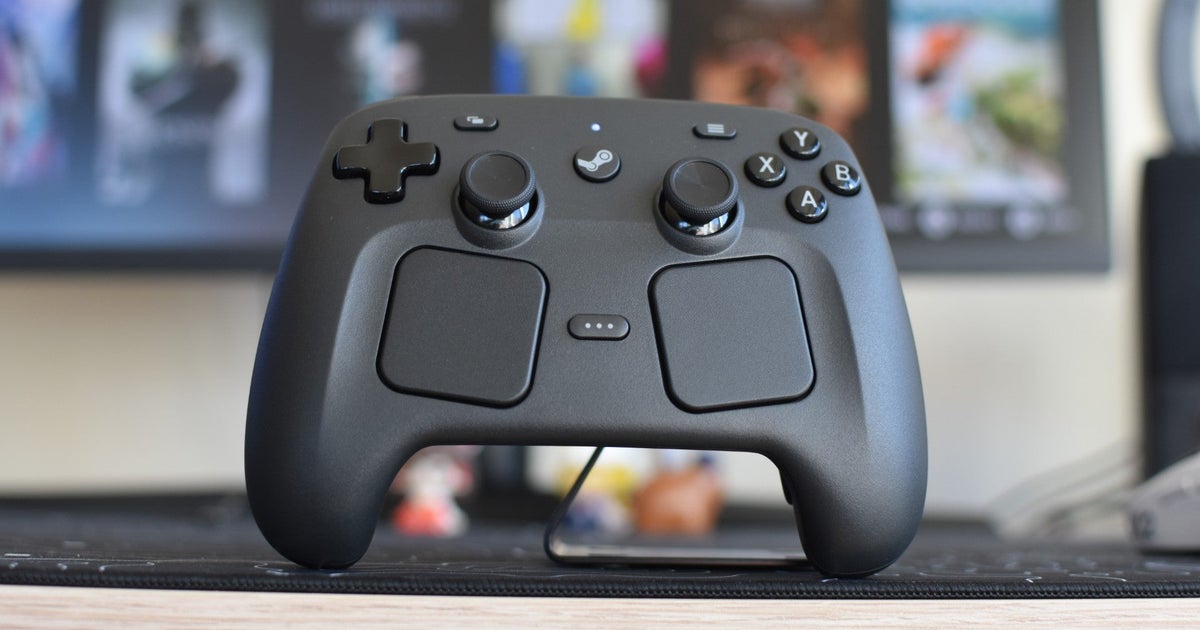
Valve is gearing up for a pivotal year in 2026, with the release of its revamped Steam Controller marking the first step towards its hardware ambitions. Initial reviews are now in, and they are surprisingly positive, earning widespread acclaim from critics who are typically critical of such devices.
This warm reception bodes well for Valve’s upcoming launches, including a home console and a standalone VR headset. While the Controller’s success is a good sign, it is just the beginning of Valve’s larger plans. The Steam Machine and Steam Frame VR headset face uncertainties due to supply chain issues, causing delays in their release.
Despite these challenges, Valve’s foray into hardware has generated significant excitement, positioning the company as a key player in the gaming hardware market. This shift from a software-focused company to a hardware innovator has been driven by two key factors.
Firstly, Valve has built a strong rapport with Steam customers over the years, earning their trust through a reliable and consistent platform. This trust has laid the foundation for Valve’s hardware ventures. Secondly, Valve’s iterative approach to hardware development has allowed them to refine their products over time, with each device serving as a building block for future innovations.

The Steam Deck, in particular, has been a standout success among PC gamers, showcasing Valve’s hardware expertise. The new Steam Controller is a testament to this expertise, offering a seamless transition from the Steam Deck’s controls to a standalone controller.
Valve’s commitment to hardware innovation is evident in their approach to each product as both a commercial venture and a research endeavor. The Steam Machine, for instance, builds upon lessons learned from past endeavors, addressing previous challenges to create a more refined product.
Valve’s approach to hardware is cumulative, such that each device is both a product and a research programme
As Valve expands its hardware lineup, including the Steam Frame VR headset, their focus remains on attracting new audiences to the Steam ecosystem. While the mass-market impact of these devices remains uncertain, Valve’s dedication to creating high-quality hardware is undeniable.
While Valve’s hardware products may not dominate the market, they represent significant growth opportunities for the company. Each device aims to appeal to a different segment of gamers, expanding Valve’s reach beyond its traditional software offerings.
These hardware products are no longer a side interest; they are growth vectors for a company that has already won the market it operates in
Valve’s hardware endeavors signify a strategic shift for the company, moving towards new markets and opportunities. While the road ahead may be challenging, Valve’s strong start with the Steam Controller indicates a promising future for their hardware division.