Table of Contents
In Australia, a debate on what constitutes a true sport can ignite generational differences. A recent global study by Logitech G surveyed 1,500 Australians, revealing a significant cultural gap in defining elite athletic competition.
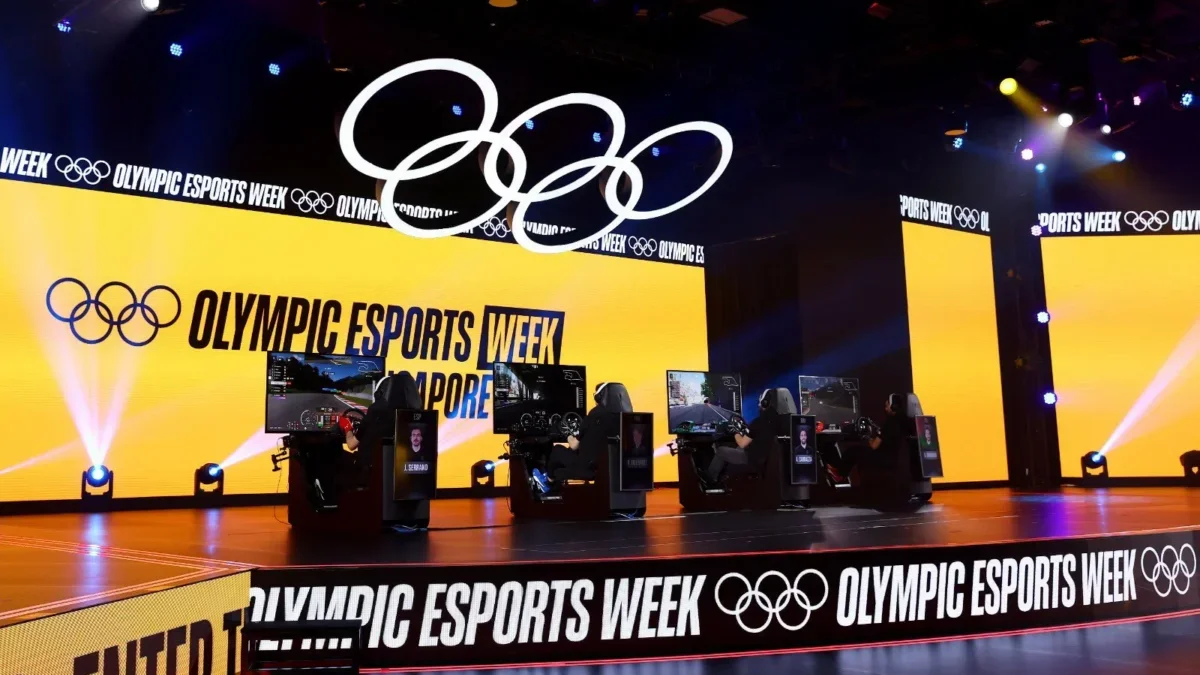
Surprisingly, 59% of young Australians aged 18 to 24 advocate for esports to be included in the Olympic Games. This percentage surpasses the global average for the same age group. However, older demographics exhibit much lower enthusiasm for this idea.
Only 19% of Australians aged 45 to 54 support the inclusion of esports, with a mere 4.6% of those aged 55 and older agreeing with this sentiment.
The Clash Between Traditional Sports and Esports
Despite Australia’s strong emphasis on outdoor activities like cricket and footy, the younger generation’s inclination towards digital competition is a reflection of the evolution of sports culture. For Generation Z, their passion for competition, teamwork, and victory seamlessly transitions from physical fields to virtual arenas.
They view professional gamers’ intense training, quick reflexes, and ability to handle pressure as akin to traditional athletes’ preparation for major events.
Understanding the Skepticism Among Older Generations
The sharp decline in support from older age groups highlights the entrenched perceptions of athleticism defined by physical prowess. Sitting in front of a screen with a headset does not align with the traditional concept of Olympic competition for those raised on endurance sports.
Moreover, the debate extends to the selection of games suitable for the Olympics. The International Olympic Committee’s cautious approach towards popular esports like Counter-Strike and League of Legends due to concerns about virtual violence adds another layer of complexity.
Older generations often view video games as mere entertainment rather than recognizing them as a structured and demanding cognitive activity.
Evolution of the Sportsperson Identity
Regardless of the International Olympic Committee’s stance on traditional competitive titles, one thing is clear from the study: the distinction between sports and entertainment is becoming increasingly blurred with each generation.
Young Australians are at the forefront globally in acknowledging cognitive athletes on a competitive stage. While older generations may be skeptical about awarding Olympic medals for gaming achievements, the landscape of the Olympic podium could transform significantly in the future as digital native generations mature.