Table of Contents
The Ultimate Guide to Maximizing Your Gaming Experience in 007 First Light with Nvidia RTX 5070 Ti
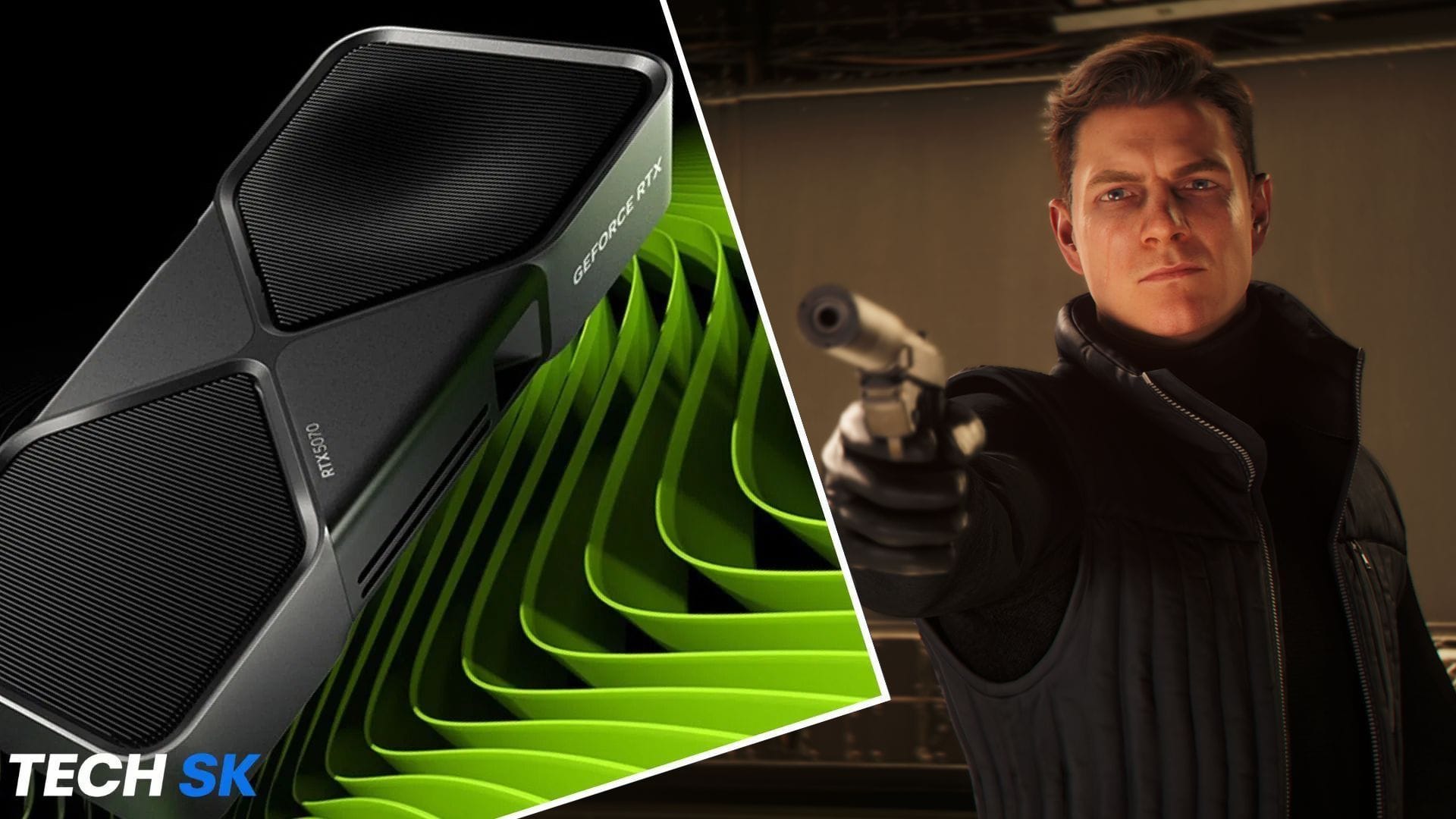
Are you ready to dive into the thrilling world of 007 First Light with the power of Nvidia RTX 5070 Ti at your fingertips? This groundbreaking game promises an unparalleled gaming experience, especially when paired with a top-tier graphics card like the RTX 5070 Ti. Let’s explore how this dynamic duo can elevate your gameplay to new heights.
Unleashing the Power of Nvidia RTX 5070 Ti in 007 First Light
007 First Light is a masterpiece powered by IO Interactive’s Glacier engine, known for its exceptional optimization and seamless performance. With the Nvidia RTX 5070 Ti by your side, you can experience the game in all its glory, even on ultra settings. While features like Ray Reconstruction and Path Tracing are yet to make their debut on the PC version, the RTX 5070 Ti ensures smooth gameplay with up to 6x frame generation.
Our extensive benchmarking sessions with 007 First Light on PC revealed the true potential of the Nvidia RTX 5070 Ti. From the lowest to the highest settings, we delved deep into the performance metrics to provide you with insightful data on frame rates and graphical fidelity.
Performance Benchmarks at 1440p Resolution
007 First Light shines on the RTX 5070 Ti, delivering exceptional performance at 1440p resolution. The game is optimized to perfection, with minimal performance glitches and impressive frame rates. While some visual bugs may exist, they do not detract from the overall gaming experience.
Given the current absence of advanced Ray Tracing features on the PC version, our benchmarks focused on frame generation capabilities across different settings. With a setup featuring an AMD Ryzen 5 7600X processor, Nvidia RTX 5070 Ti GPU, and 32 GB of DDR5 RAM, we meticulously tested the game’s performance under various scenarios.
Performance Analysis at Different Settings
Let’s dive into the performance benchmarks at different graphical settings:
Lowest Settings Benchmark
At the lowest settings, 007 First Light showcases impressive performance across all frame generation multipliers. Despite starting from a modest 90 FPS, the game can reach over 400 FPS on average, with minimal dips in performance.
Highest Graphics Settings Benchmark
As we ramp up the settings to ultra with DLAA enabled, the game’s visual fidelity reaches new heights. While there is a slight decrease in performance compared to DLSS Quality, the overall gaming experience remains smooth and immersive.
Our benchmarks revealed a consistent performance pattern across different frame generation levels, indicating the game’s stable rendering capabilities. Despite the increase in frame rates with higher multipliers, the underlying render performance remains relatively unchanged.
Comparative Analysis Table
For a comprehensive overview of the performance metrics, refer to the table below:
Thermal and Power Draw Analysis
Despite the absence of advanced ray tracing features, 007 First Light exerts a significant load on the system. Our thermal and power draw tests highlighted the game’s demanding nature, with the CPU and GPU temperatures reaching optimal levels during intense gameplay sessions.
While the CPU temperature peaked at around 84 degrees Celsius, the GPU maintained a consistent range of 72-73 degrees Celsius. The power draw from both components remained stable, showcasing efficient utilization of resources for a seamless gaming experience.
Conclusion: Elevate Your Gaming Experience with 007 First Light and Nvidia RTX 5070 Ti
007 First Light, coupled with the Nvidia RTX 5070 Ti, offers a gaming experience like no other. With exceptional optimization, impressive frame rates, and efficient resource utilization, this dynamic duo sets a new standard for gaming performance. Whether you’re exploring the streets of 007’s world or engaging in intense combat sequences, the RTX 5070 Ti ensures a smooth and immersive gameplay experience. Dive into the world of 007 First Light today and unleash the full potential of your gaming setup!
Edited by Anindit Sinha