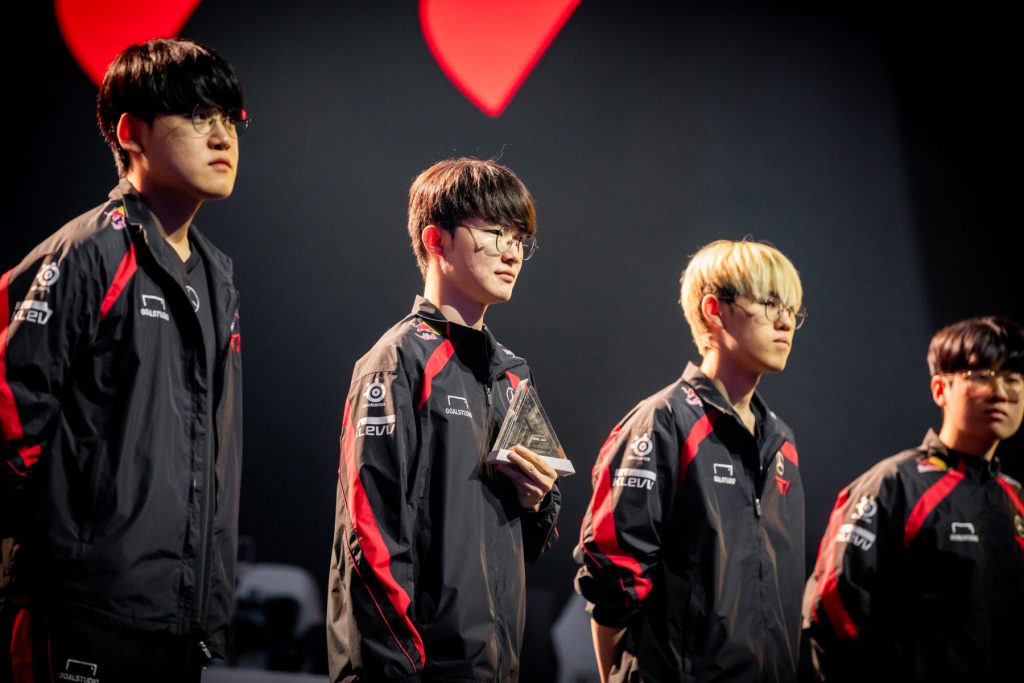
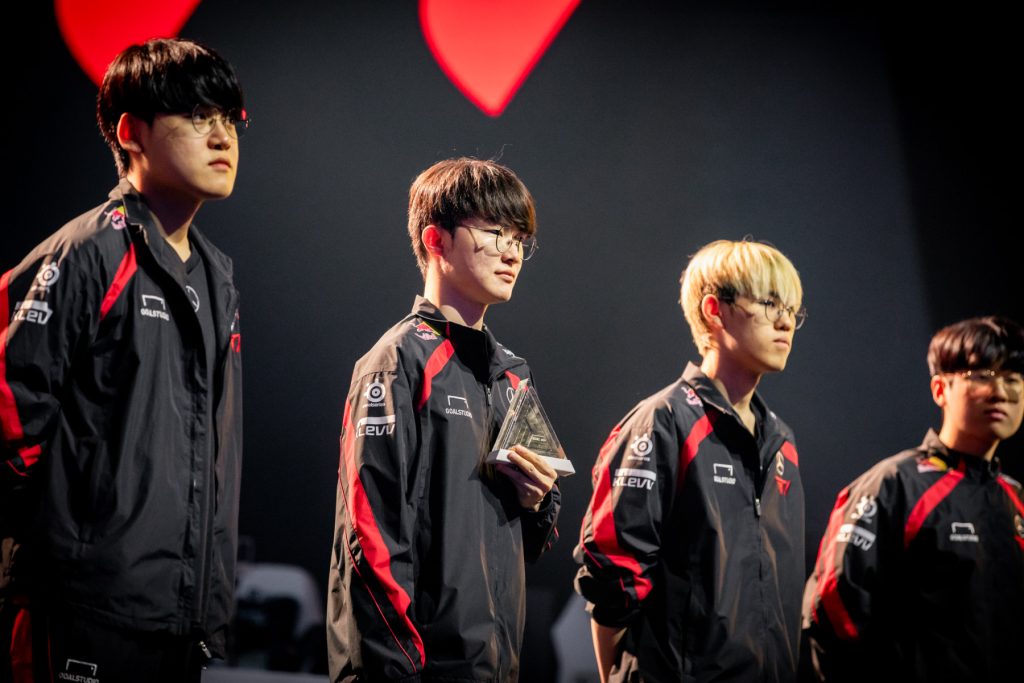
T1 has recently completed its audit, uncovering a surprising development in the world of esports. The revelation is that T1 has managed to achieve profitability.
Traditionally, the organization has operated at a loss, relying on external investments or support from parent companies. However, in rare instances, organizations with strong financial revenue streams can turn the tide and become profitable.
And today, that seems to be the case for T1.
A Financial Turnaround
As reported by Inven, a Korean source, T1 saw a staggering 80% increase in revenue. The operating profit reached 25,122 million won (~$18.6 million USD), marking the first time the company has achieved a surplus since its inception, effectively overcoming the previous year’s deficit of 88 million won (~$65,000 USD). Additionally, the net profit reached 1,231 million won (~$912,000 USD), rebounding from a loss of 62,825 million won (~$46.5 million USD) in the previous year.
This milestone holds significant implications for the esports industry. Esports organizations often struggle to generate profits, making it a rare occurrence. T1’s ability to balance its financial books is a positive indicator for the future of esports.
The surge in revenue can be primarily attributed to merchandise sales, particularly in the South Korean market. The cost of goods sold amounted to approximately 20.6 billion won (~$15.3 million USD).
The Power of Merchandise in Esports
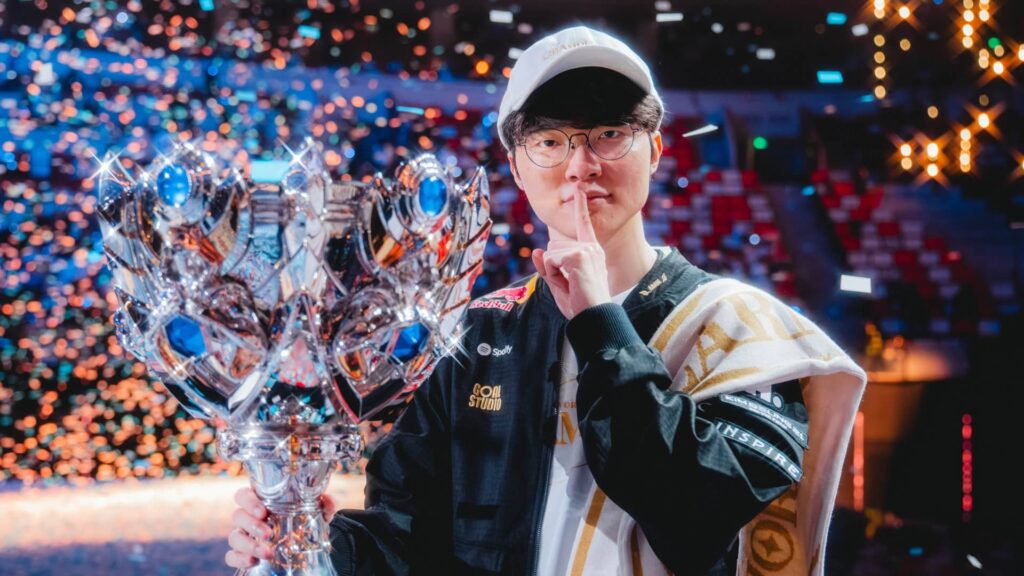
For T1, achieving profitability signifies a significant milestone. As one of Korea’s most popular and decorated organizations, T1 has effectively leveraged its brand prestige and player roster to drive merchandise sales.
Merchandise sales serve as a crucial revenue stream for organizations, providing a level of financial stability. While franchising in League of Legends offers some support, the exact contribution from the LCK remains unclear based on the audit findings.
Turning a profit holds several advantages for T1.
Firstly, T1 carries a substantial debt burden, with reports indicating a debt ratio of 713.1%. To address this, the organization issued 4,330 shares priced at 263,000 won (~$195 USD) to help manage the debt.
Achieving profitability also enhances T1’s appeal to potential investors, offering a pathway to alleviate its debt burden despite the current challenges in the esports landscape.
Amidst the evolving esports landscape, League of Legends has not emerged as the dominant esport as anticipated during the industry’s growth phase. Coupled with the challenges of the esports winter, characterized by limited value and investor interest, financial resources become scarce. T1’s self-sufficiency serves as a positive indicator for the industry, signaling effective monetization strategies for fan engagement.
This development echoes the notion that fans are often reluctant to pay for content they receive for free. T1 seems to have successfully tapped into the segment of fans willing to invest in merchandise, reflecting a shrewd business approach.
It remains to be seen how T1’s financial success will unfold amidst challenges such as their recent setbacks in the LCK, including losses and key personnel changes. The organization’s ability to maintain fan support and merchandise sales in the face of adversity will be a critical factor moving forward.