Table of Contents
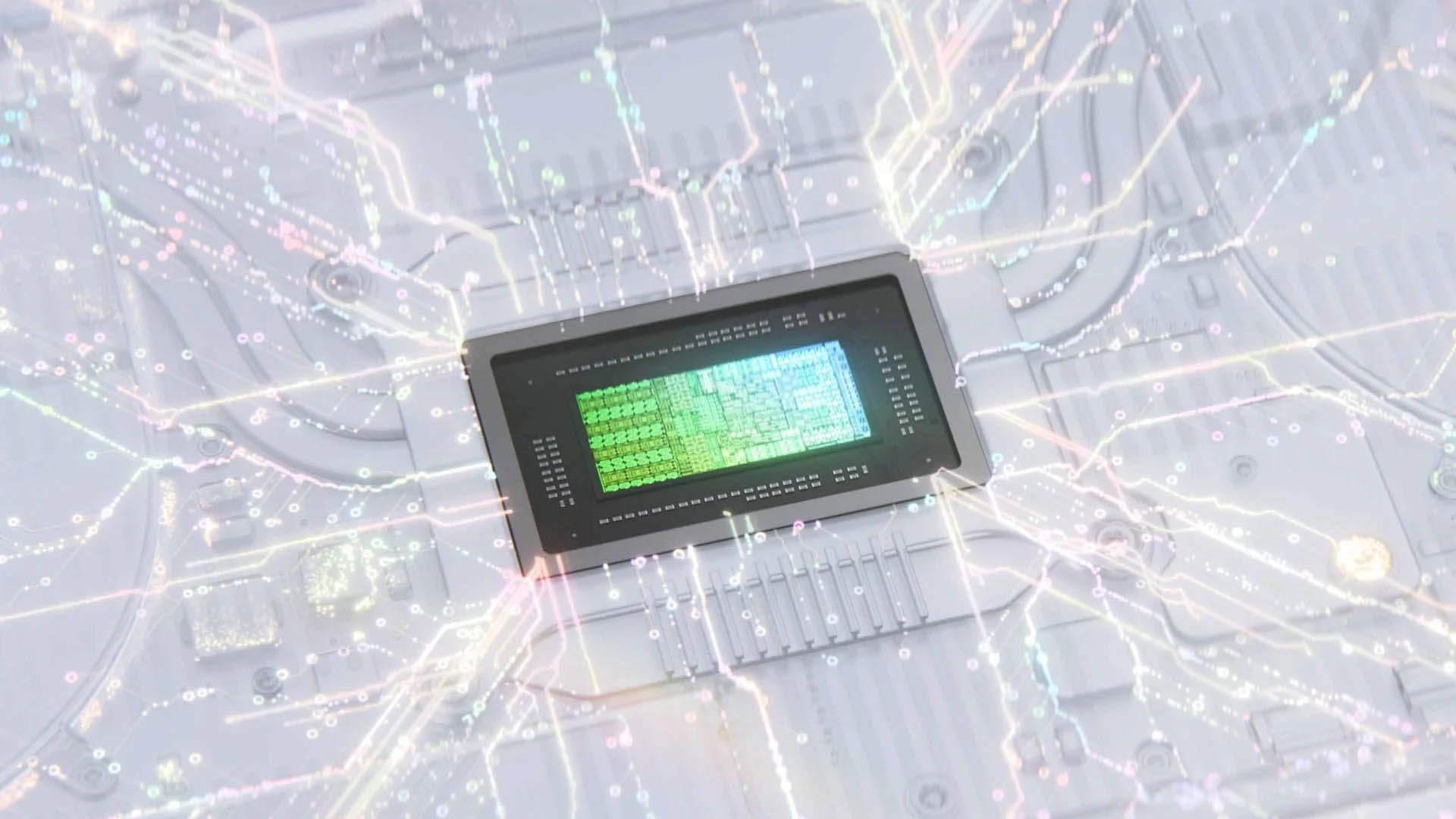
NVIDIA RTX Spark: The Revolutionary SoC with Tweaked Cortex-X925 Cores
When it comes to the NVIDIA RTX Spark, one area of contention revolves around its CPU configuration, which includes cores from MediaTek’s Dimensity 9400 chipset. Despite being two generations old by October this year, the 20-core CPU in the RTX Spark faces criticism for its inability to compete with modern-day SoCs. However, NVIDIA made some subtle adjustments to the Cortex-X925 to enhance its capabilities, setting it apart from its predecessor.
The Powerful Design of the RTX Spark’s Cortex-X925
To meet the demanding requirements of high-performance computing, the RTX Spark needed more than just the standard Cortex-X925 design from the Dimensity 9400. A closer inspection reveals that the CPU cores in the RTX Spark are smaller than those in MediaTek’s older silicon, but they incorporate the power rail design of the Dimensity 9500’s C1-Ultra. This unique amalgamation of features from both the Dimensity 9400 and Dimensity 9500 enables the RTX Spark to handle complex PC workloads efficiently.

Advantages of the Altered Cortex-X925 Cores
The modified Cortex-X925 cores in the RTX Spark can sustain higher frequencies without encountering thermal limitations, especially in devices like Microsoft’s Surface Laptop Ultra with a 110W TDP. While it remains uncertain if notebook manufacturers will push these cores to even higher clock speeds, upcoming benchmarks will provide clarity on the performance enhancements.
Overall, NVIDIA’s decision to tweak the ARM CPU design for the RTX Spark showcases the potential for customization in specific environments. As NVIDIA gears up for more advanced iterations of the RTX Spark in 2027, the collaboration with MediaTek promises further innovations in the realm of high-performance computing.
News Source: Geekerwan

About the author: Omar Sohail is a reporter and analyst for Wccftech’s mobile section, specializing in the technology and business of the mobile industry. His expertise lies in the intricate hardware supply chain, covering developments in semiconductor manufacturing, chip lithography, and camera sensor technology.
Follow Wccftech on Google to get more of our news coverage in your feeds.