Table of Contents
The Impact of NVIDIA’s Vera Rubin Platform on TLC NAND Supply
As NVIDIA continues to ramp up production of its Vera Rubin platform, the effects are being felt across various sectors of the supply chain, including the spot market for TLC NAND. This unexpected ripple effect is causing a surge in TLC NAND prices, driven by the introduction of Context Memory eXtension (CMX) within the Vera Rubin platform.
The Role of CMX in Squeezing TLC NAND Supply
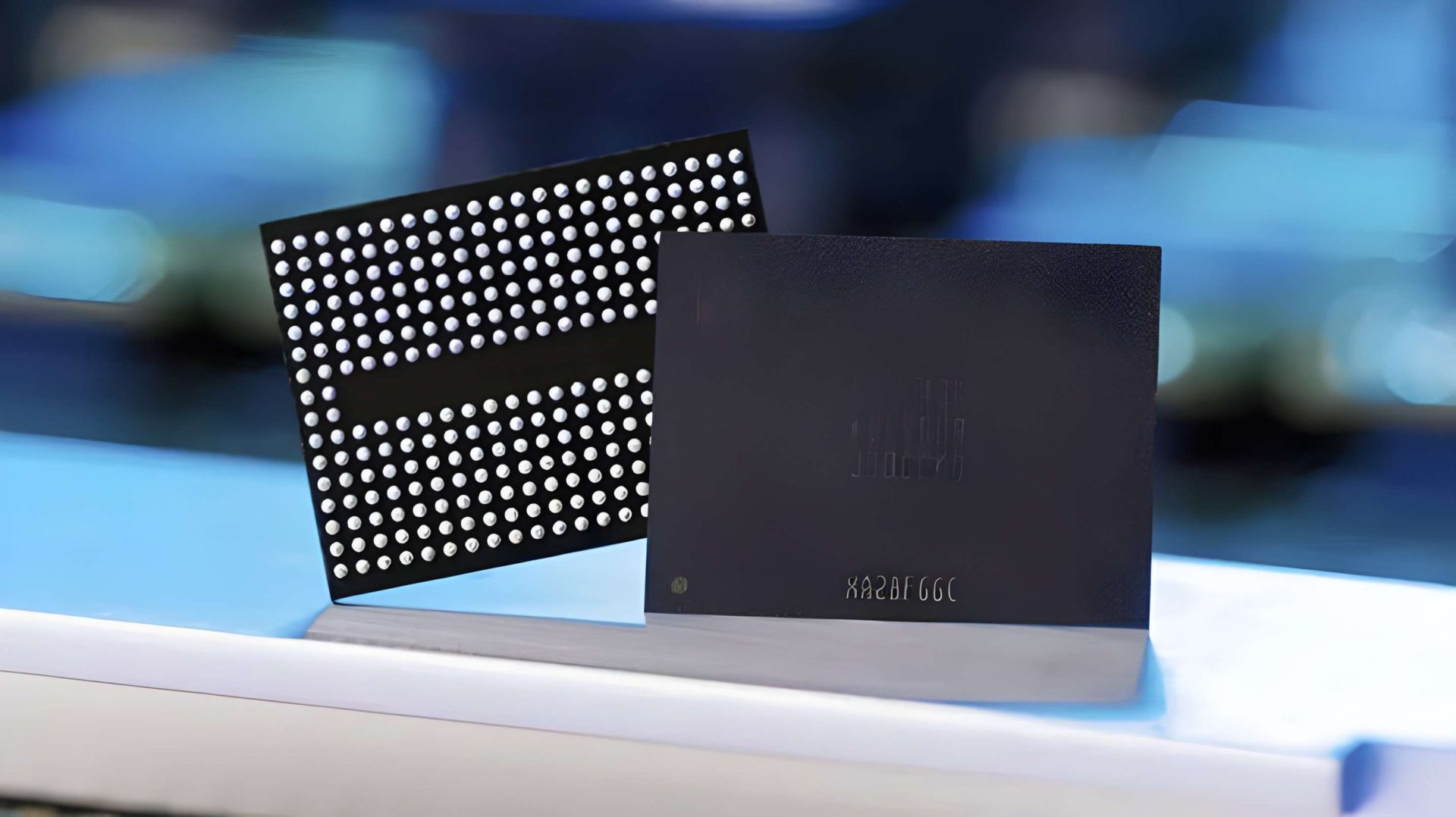
The implementation of CMX within the Vera Rubin platform is a key factor contributing to the rise in TLC NAND prices. CMX serves as an intermediate storage tier between HBM and traditional network storage, utilizing a vast pool of TLC flash memory to handle the KV cache generated by AI models. This innovative approach involves NVIDIA BlueField-4 DPUs, acting as the ‘intelligent brain’ for CMX servers, to manage the KV cache in real-time over high-speed Spectrum-X Ethernet.
A single 2U CMX server can accommodate up to 600TB of TLC flash storage, with each DPU managing 150TB of context memory. At the pod level, the total capacity can reach a staggering 9,600TB or 9.6 Petabytes!
The Growing Demand for Enterprise SSDs
Another contributing factor to the surge in TLC NAND prices is the increasing demand for high-density, high-performance Enterprise SSDs (eSSDs) in data centers to support AI workloads. As the Vera Rubin platform scales up, so does the need for these advanced eSSDs, further straining the supply of TLC NAND.
While much of the TLC NAND consumed by NVIDIA is likely secured through long-term contracts, the overall demand is tightening the spot market, leading to price inflation. The extent of this trend and its implications remains to be seen.
Addressing Speculation about Vera Rubin Ultra HBM De-Spec
Recent rumors suggesting a potential de-spec of HBM within the Vera Rubin Ultra GPUs have been met with skepticism by the Bank of America. While there is speculation about reducing the quantum of HBM4E to protect margins, the Bank of America believes any such move would be temporary in response to short-term constraints, rather than a permanent shift to lower-capacity SKUs.
In Conclusion
The ongoing production ramp-up of NVIDIA’s Vera Rubin platform is reshaping the dynamics of the supply chain, particularly in the realm of TLC NAND. As innovative technologies like CMX and increasing demand for eSSDs drive up prices and tighten supply, the industry is bracing for a new era of challenges and opportunities in the semiconductor market.