Table of Contents
Interview with NVIDIA CFO Collette Kress on Memory Shortage and Industry Impact
In a recent interview, NVIDIA’s Chief Financial Officer, Collette Kress, shed light on the ongoing memory shortage in the tech industry. Kress pointed fingers at other companies for struggling with the surge in memory prices, emphasizing that NVIDIA had taken proactive measures to secure memory in advance, anticipating the price hike.
Impact on Memory Demand from AI Chip Companies
The rise in demand for high-performance AI GPUs has significantly impacted the high bandwidth memory (HBM) and DDR memory markets. NVIDIA’s Rubin AI platform alone is projected to require more memory than industry giants Apple and Samsung combined by 2027. This surge in memory demand has caused a ripple effect in the industry, with shortages and allocation challenges.
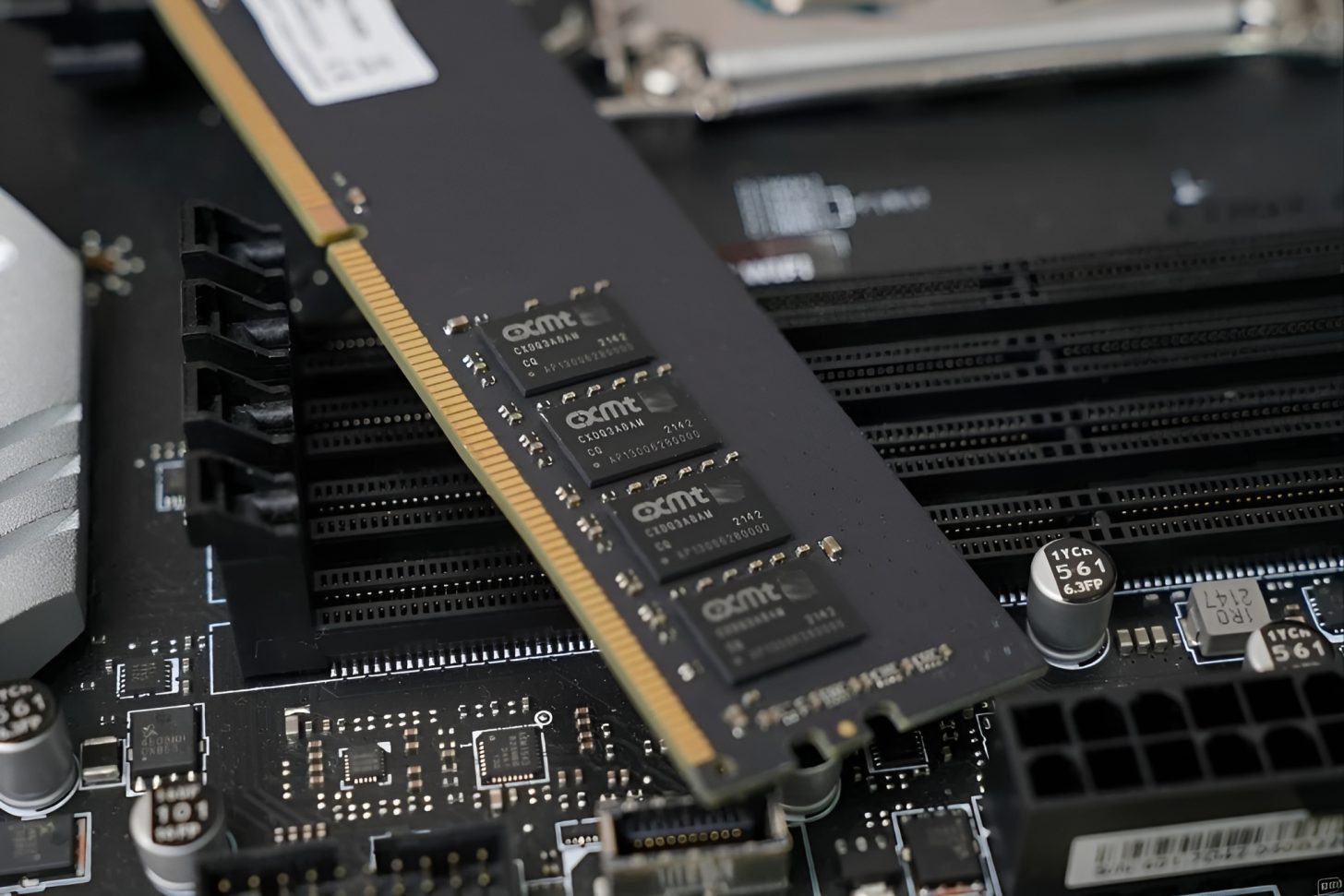
AI GPUs not only rely on HBM but also DDR memory. Due to production similarities, increased demand for HBM leads to capacity reallocation away from DDR production lines. This shift exacerbates the shortage of DDR memory chips in the market, presenting an opportunity for Chinese firms to establish themselves as major players.

NVIDIA’s Strategy to Counter Memory Shortage
Despite the industry challenges, NVIDIA has navigated the memory shortage effectively by staying ahead of the curve. Collette Kress, NVIDIA’s CFO, shared insights into the company’s foresight in dealing with the market disruption. NVIDIA’s approach involved collaborating closely with memory suppliers to customize chip production based on orders, rather than relying on off-the-shelf products.
“They’re designing it with us. And then they go, now how much supply do we need? And we’re not just doing it with one. We’re doing it with all three memory suppliers. We say, here’s what we’re building. And then we’ve got to get them all in line and working with us. I don’t see another company doing that.” – Collette Kress, NVIDIA CFO
Conclusion
The ongoing memory shortage in the tech industry, driven by high demand from AI chip companies, has reshaped market dynamics and supply chain strategies. NVIDIA’s proactive approach to securing memory supply and collaborating closely with suppliers sets a precedent for industry resilience and adaptability in the face of market disruptions. As the industry continues to evolve, strategic partnerships and forward-thinking strategies will be key to mitigating the impact of memory shortages and ensuring a stable supply chain.