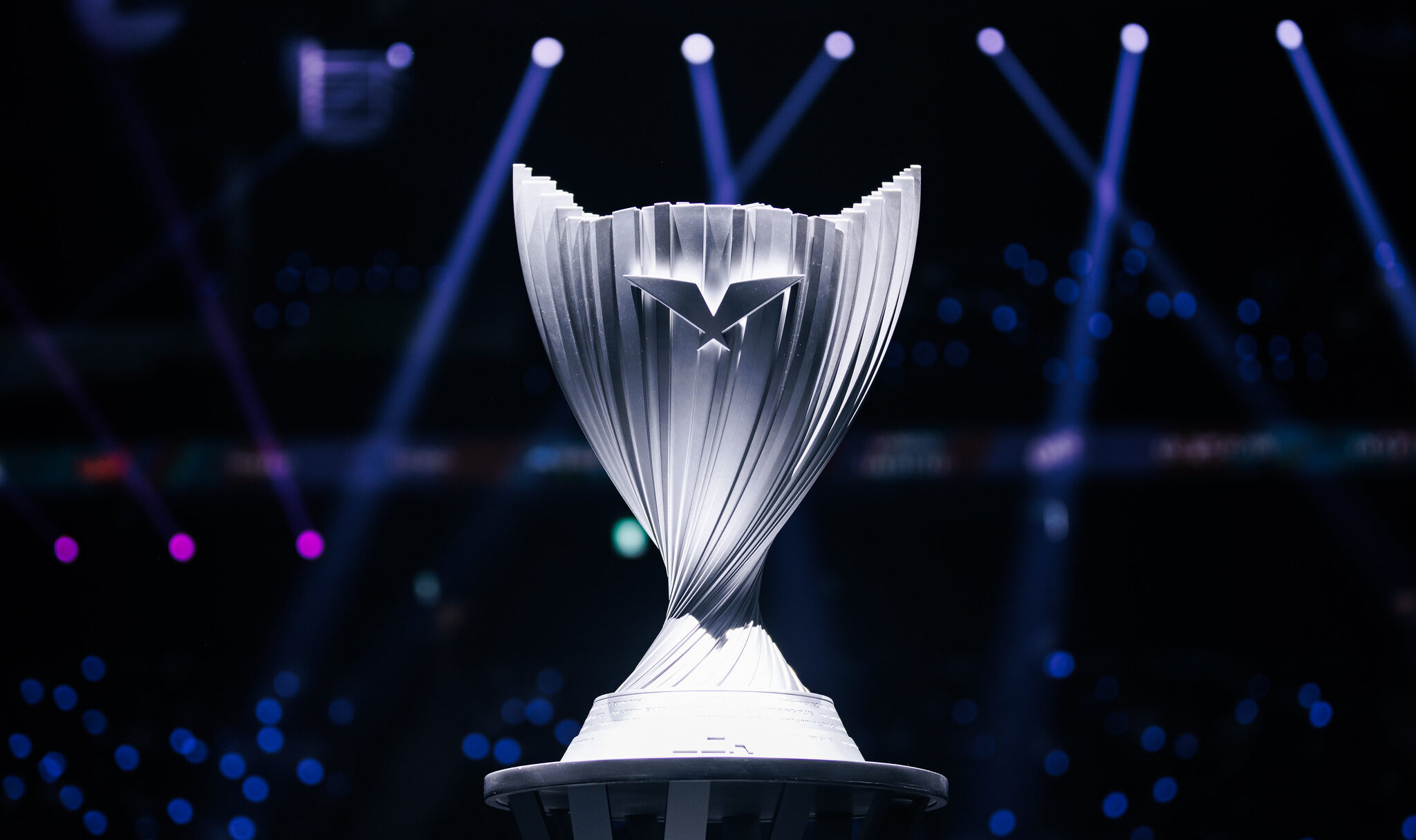
Riot Games and MBC have extended their agreement to broadcast the League of Legends Champions Korea Finals on South Korean terrestrial television until 2027. This marks the third consecutive year that the premier League of Legends competition will be shown on national TV.
As per Riot Games’ announcement on Thursday, the new two-year contract will cover the 2026 and 2027 Finals. The upcoming final is scheduled for Sept. 13 at 2 p.m. KST at the KSPO Dome in Seoul’s Songpa district, with the finals qualifier taking place the day before at the same venue. MBC will once again air the match on a Sunday afternoon, following its usual slot for professional baseball and other major sports events. The network plans to provide commentary aimed at viewers new to the league and will also feature the event in its sports news bulletins.
Details regarding the financial terms of the agreement were not disclosed. It remains unclear whether MBC will pay a rights fee, co-produce the broadcast with Riot Games, or operate on a revenue-sharing or barter basis for both the 2025 and 2026 deals.
The decision to renew the contract comes after the debut broadcast of the finals in 2025, which drew a modest audience.
MBC’s live coverage of the 2025 final, where Gen.G defeated Hanwha Life Esports 3-1 at Inspire Arena in Incheon on Sept. 28, recorded a 0.4% nationwide household rating according to Nielsen Korea figures reported by Daily Esports. The Seoul and Daejeon regions returned 0.7%, the wider capital region 0.5%, and Busan and Gwangju 0.2%. The final did not feature T1, the league’s most internationally followed team, which had raised concerns about the viewership the broadcast would attract.
Despite the ratings, terrestrial television is not where the LCK’s domestic rights revenue primarily comes from.
In December, Riot Games announced that Naver and SOOP would hold exclusive Korean-language live rights to the LCK for five years starting in 2026 through 2030. The terms of the contract were not disclosed, but industry estimates put the combined value at roughly ₩150 billion KRW ($107 million USD), with Naver contributing ₩100 billion ($72 million) and SOOP ₩50 billion ($36 million). The partnership also includes Korean-language broadcast rights to Riot’s international events and other overseas leagues, along with LCK official sponsor rights.
The same contract removed YouTube from Korean-language live coverage of the league, retaining highlights and behind-the-scenes content. This move fragmented the LCK’s live audience across multiple platforms.
It was reported that the LCK’s live coverage in 2025 averaged around 630,000 viewers per minute, with more than 60% of the viewership coming from overseas. A terrestrial broadcast, by nature, only addresses the domestic audience.
South Korea has previously experimented with broadcasting esports on television, with OGN being one of the first channels dedicated to esports in the country. The channel produced Korea’s top League of Legends competition until Riot Games took over production in 2019.
Television has proven to be an attractive option for streaming rights holders like SOOP, who have seen increased viewership on their cable channel SOOPTV in venues such as military bases and restaurants.
The renewal of the broadcast agreement is seen as a strategic move for MBC, given the broadcaster’s reported decline in revenue in 2025. The estimated annual value of the Naver and SOOP package represents a significant portion of MBC’s yearly advertising revenue.
MBC aims to deliver a wide-ranging audience experience through its live broadcasts of the LCK, catering to both existing fans and newcomers to the league. The LCK Secretary General expressed optimism that the contract extension will help the league attract more fans and increase awareness of LoL esports.
While the contract extension does not specify its connection to Riot Games’ international calendar, it does coincide with South Korea hosting the League of Legends World Championship in the same year.
Overall, the decision to keep Korea’s biggest domestic esports event on free national television for the next two years raises questions about the role of terrestrial television in reaching the LCK’s audience compared to online platforms.
There are still unanswered questions regarding the financial arrangements between MBC and Riot Games, the coexistence of the terrestrial window with Naver and SOOP’s exclusivity, the advertising revenue generated by the 2025 broadcast, the potential renewal of OGN’s cable arrangement, the location of the 2027 Finals, and the host city for the Worlds 2027 knockout stage.
For now, the focus remains on maintaining the LCK’s presence on national television while exploring the broader implications of terrestrial broadcasting for esports in South Korea.