Upon joining DICE, Rebecka Coutaz stepped into a challenging period for the renowned Swedish developer.
In November 2021, Coutaz took on the role of VP and GM just after the turbulent release of Battlefield 2042. The game faced harsh criticism, poor player reception, and numerous technical issues. EA’s CEO, Andrew Wilson, even described the game’s sales as “disappointing.”

Reflecting on those challenging times, Coutaz, now VP and GM of Battlefield Studios Europe, overseeing DICE and Criterion, acknowledges the significant work ahead.
The focus was not only on ongoing development of the game but also on transforming how DICE approached game development.
“We heeded player feedback and completely revamped our processes to deliver season one,” Coutaz explains. “This transformation took place in May 2022, six months post-launch. To sustain a live game, we needed a different approach in development and organization. Releasing patches every two weeks was a significant shift in our development and operational strategies. We adapted our working methods, organizational structure, and even our culture to empower and listen to our team members. Empowering our team fostered the agility required for managing a live game. The learning curve was steep, but necessary.”
Introducing New Leadership
Coutaz wasn’t the sole addition to the Battlefield franchise leadership in 2021. Prior to the game’s launch, Byron Beede, a Call of Duty veteran, was appointed as the new GM, with Vince Zampella, the head of Respawn, joining the franchise later in the year. Together, they had ambitious plans for the future of the franchise.

“They envisioned a bright future for Battlefield, aiming for a comeback to deliver the best installment yet,” Coutaz reveals. “Given the franchise’s rich history and significant presence in the entertainment industry, we had a clear direction in mind.”
However, achieving this vision required a substantial shift in how Battlefield games were developed. Previously, DICE had spearheaded the projects, but for Battlefield 6, the workload needed to be shared among multiple teams.
“A single studio model was no longer sufficient,” Coutaz explains. “We were crafting diverse gameplay experiences, including multiplayer, single-player, and free-to-play modes. This led us to the decision to involve multiple studios from the outset of Battlefield 6.”
The collaborative effort involved DICE, Criterion, Motive Studios, and Ripple Effect (formerly DICE LA). Ripple Effect and Criterion had previous involvement with the franchise, with Ripple Effect leading the development of the Battlefield Portal custom map mode in 2042. This time, their contributions began early in the development process.

Coordinating multiple studios worldwide toward a common goal posed logistical challenges. “Each team had ownership, critical for the success of the four-studio model, considering time zone variations,” Coutaz points out. “Establishing a clear vision and delineating responsibilities for each team was essential. This allowed for creative freedom and collaboration within a structured framework.”
“While maintaining a clear vision, we encouraged teams to innovate and create at their own pace and style, ensuring the best possible game outcome.”
Looking Ahead
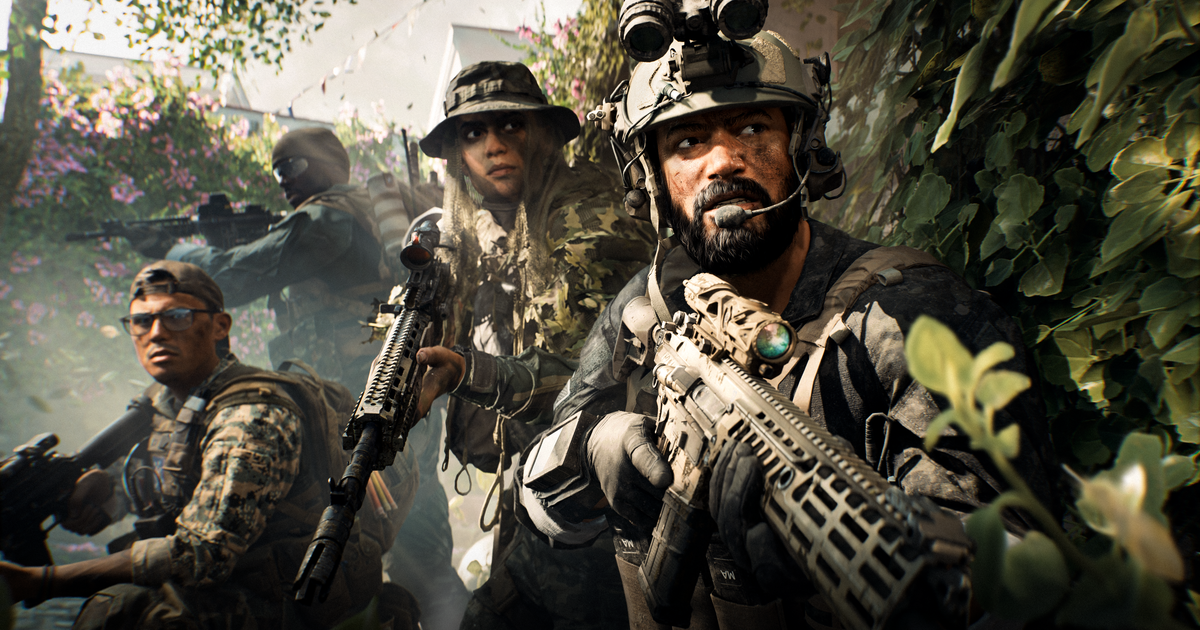
Despite the hurdles faced, Battlefield 6 received widespread acclaim, marking a stark contrast to Battlefield 2042’s reception. The game garnered immense popularity, smooth launch, and impressive sales figures. Within the first three days of release, over seven million copies were sold, making it the top-selling game of 2025 in the US.

However, Coutaz emphasizes that DICE and its partners are not resting on their laurels. They continue to gather player feedback and explore technological advancements to shape the future direction of the series.
“Battlefield 6 marked a resurgence. It’s a compelling narrative,” Coutaz affirms. “With a thriving player base, we unveiled our roadmap for future seasons in April. Season four will introduce Naval Warfare. Given the community’s engagement with the game, we aim to provide ongoing content. Battlefield serves as a platform that will endure, and our commitment remains steadfast.”
“We focus on our players’ feedback and strive for continuous improvement. Innovation and technology integration are key to delivering top-tier experiences.”
“We remain attentive to player insights and committed to continuous growth. Adapting, evolving, and infusing technology and creativity are paramount in delivering unparalleled experiences. This core philosophy remains unchanged.”
Not without challenges, EA reportedly underwent layoffs at Battlefield Studios in March, and the free-to-play spinoff Battlefield Redsec received mixed reviews on Steam. Furthermore, the landscape of action and shooter games has evolved, with smaller studios like Arrowhead (Helldivers) and Embark (Arc Raiders) reshaping player expectations.

“While we stay aware of industry competition, our focus remains on our unique game development path,” Coutaz asserts. “We aren’t driven by rivals but by our belief in our vision and our players’ desires. Competition inspires us to take risks, innovate, and be creative, but we maintain our independent creative direction.”
In conclusion, Coutaz emphasizes, “Our priority lies in player engagement, enjoyment, and demand for more content.”
Disclaimer: Alex Forbes-Calvin is a freelance journalist and writer who has previously collaborated with DICE.