Table of Contents
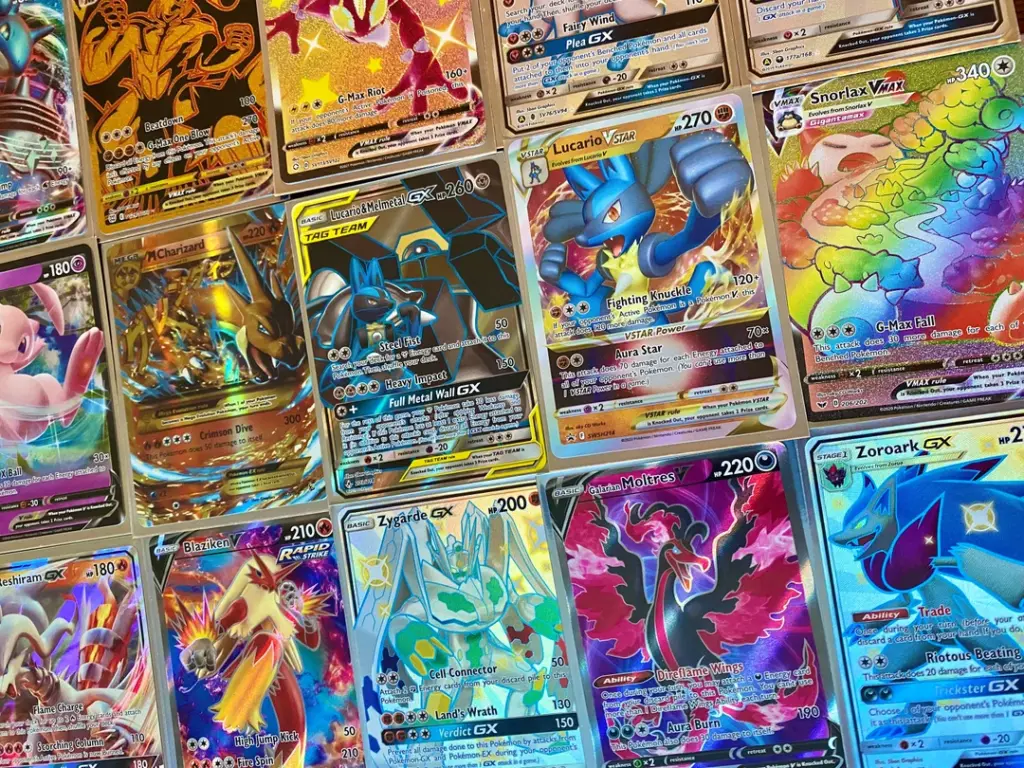
Forget traditional investments like savings accounts or mutual funds. A surprising trend among young adults is to invest in colorful cardboard pocket monsters stored in plastic binders.
The trading card market has evolved beyond a simple hobby into a bustling secondary stock exchange. Card grading companies are experiencing a surge in submissions, auction houses are breaking price records, and police are treating runs for sealed booster boxes like high-stakes heists.
With a single shiny Pikachu card fetching nearly $16.5 million at auction, it’s clear that this is more than just child’s play.
The Excitement of Opening Booster Packs
Opening a pack of cards nowadays brings the same thrill as pulling a slot machine lever at a late hour. You pay a small sum, tear open the foil wrapper, and hope for that ultra-rare card instead of another common one.
International shopping apps are witnessing a surge in transactions, particularly for overseas booster boxes. People are importing cards from far away just for the rush of opening them. The line between casual collecting and financial speculation has blurred.
Each booster box is essentially a collection of mini-gambling opportunities disguised as trading cards. And frankly, it’s a risky venture.
Decoding the Value of Shiny Cards
Ever wondered why a card from 1999 can sell for as much as a beach house, while a similar card bought recently is worth mere cents? The market hinges on extreme rarity, pristine condition, and historical significance.
Card Value Formula = (Original Rarity) × (Preservation Grade) × (Nostalgia Appeal)The distinction between a “cool card” and an “investment opportunity” often boils down to three key factors:
- Professional Grading: Sending a card to companies like PSA or Beckett for evaluation is crucial. A Gem Mint PSA 10 card can fetch significantly more than a PSA 8 of the same card.
- Sealed Product: While pulling a rare card is good, keeping the booster box sealed for years is where the true value lies. Sealed vintage boxes retain worth due to the potential of obtaining a perfect card and the inability to produce more.
- Historical Significance: Cards that reach astronomical prices were often not available in regular packs. They were given as prizes in tournaments, contests, or printed in limited quantities before the game gained global popularity.
| The Card | Reason for Value | Notable Sale Price |
| Pikachu Illustrator (1998) | Awarded to Japanese art contest winners, with only around 40 in existence and just one in flawless PSA 10 grade. | $16.49 Million (Sold at Goldin Auctions) |
| 1st Edition Base Set Charizard (1999) | The ultimate playground treasure, requiring specific criteria like being 1st edition, holographic, and shadowless for top value. | ~$950,000 (PSA 10) |
| Trophy / Winner Promos | Awarded to top players at original Japanese tournaments (e.g., No. 1, 2, and 3 Trainer cards). | $150,000 – $1.7 Million+ depending on rank |
Navigating the Market Boom
Every era encounters its own speculative craze. Older generations had comic books, the 90s saw the sports card crash, and there was a phase of believing tiny beanbag animals could fund education.
Currently, the secondary market is thriving, with investors feeling like savvy traders. However, transforming a hobby into a high-stakes market can lead to stress replacing enjoyment.
When an ecosystem relies on hype, inflated prices, and scalpers clearing store shelves before children can buy, the game loses its fun and starts feeling like work.
As a member of the Pokémon community, I foresee this bubble bursting eventually, rendering all those valuable cards worthless.