Table of Contents
The Future of High Bandwidth Memory: NVIDIA’s NVHBM and the Collaboration with Samsung and TSMC
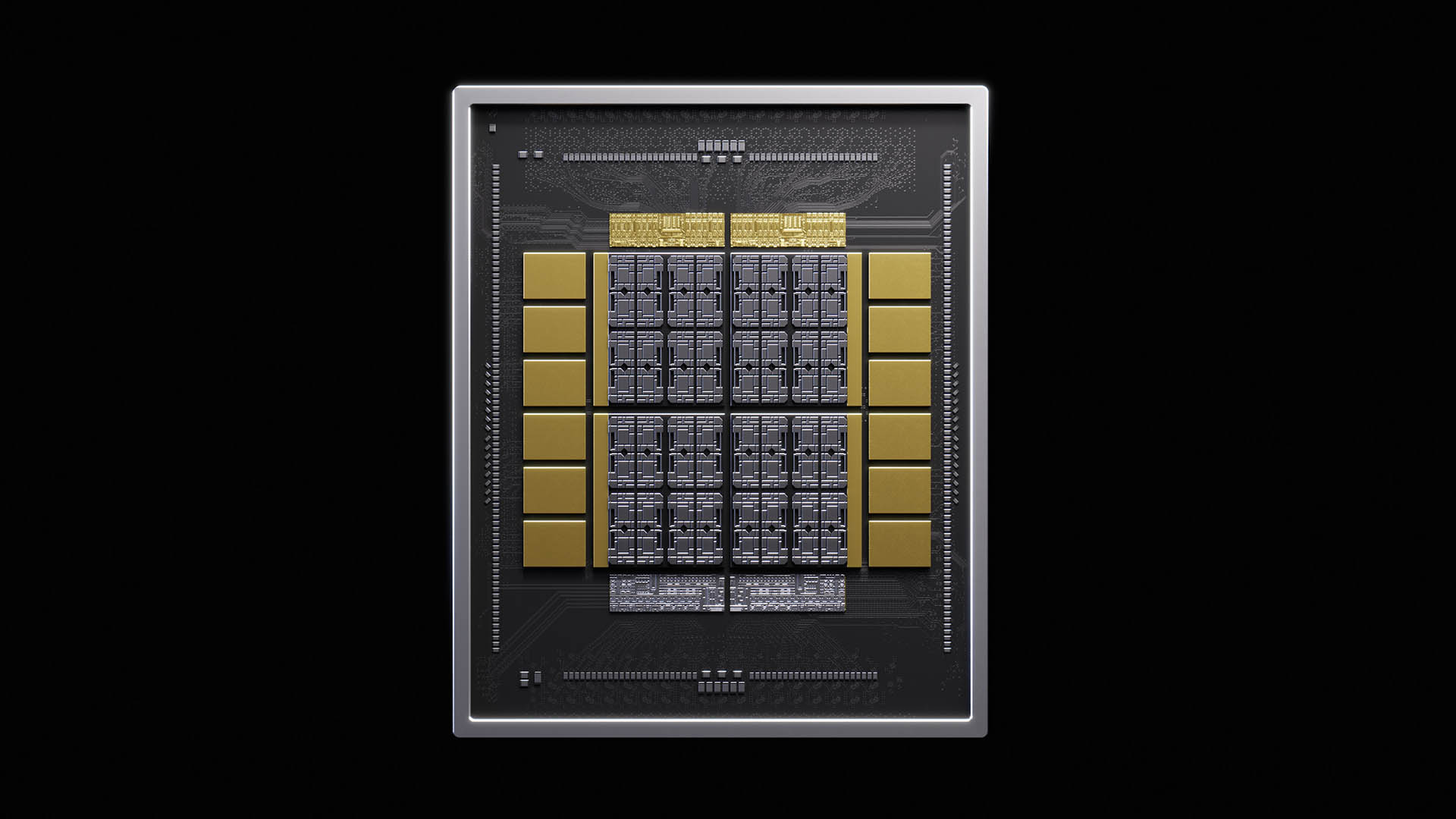
In the realm of high-performance computing, memory bandwidth plays a crucial role in determining the overall efficiency and speed of a system. NVIDIA, a prominent player in the GPU market, is taking a bold step towards revolutionizing memory technology with its custom NVHBM (NVIDIA Very High Bandwidth Memory).
The Partnership: Samsung, TSMC, Micron, and SK hynix
Traditionally, Samsung has followed a “turnkey” approach in developing HBM’s core and base dies. However, NVIDIA’s NVHBM demands a more streamlined manufacturing process, prompting a collaboration between Samsung and TSMC. This partnership aims to develop the base die on the advanced 3nm node, with a focus on standardization to reduce quality verification steps.
Joining Samsung and TSMC in this endeavor are memory giants Micron and SK hynix. The goal is to achieve consistent performance by adopting a unified manufacturing process across all key players in the industry.
Advantages of NVHBM
NVIDIA promises significant performance enhancements with its custom NVHBM solution. By leveraging the in-house design, NVHBM can deliver up to 30% more memory bandwidth compared to standard HBM4E while consuming 15% less power. To unlock these benefits, NVIDIA must ensure standardization across memory manufacturers, hence the collaboration with Samsung, Micron, and SK hynix.
For optimal performance, the core die of NVHBM will rely on the sixth-generation DRAM process, also known as 1c. By aligning all key players on a single manufacturing process, NVIDIA aims to achieve consistent performance across its product lineup, saving time and resources on individual vendor verification processes.
The Implications for Samsung and the Industry
Samsung, known for its “turnkey” approach, has accepted the challenge of moving towards a more collaborative manufacturing model. While Samsung continues to handle the development of standard HBM’s core and base dies, the company’s willingness to cooperate with TSMC marks a significant shift in its strategy.
Not only does this collaboration benefit NVIDIA by ensuring consistent performance, but it also presents an opportunity for Samsung to mitigate its foundry losses. Recent reports suggest a significant reduction in Samsung’s losses, attributed in part to its involvement in the development of NVHBM.
Conclusion
The partnership between NVIDIA, Samsung, TSMC, Micron, and SK hynix marks a new era in high bandwidth memory technology. By streamlining the manufacturing process and focusing on standardization, these industry leaders are paving the way for enhanced performance and efficiency in the world of high-performance computing. As NVIDIA’s NVHBM becomes a standardized product, the benefits of this collaboration will be felt across the industry, setting a new standard for memory technology innovation.