Table of Contents
The Ultimate Real-Time Strategy Experience: Game of Thrones War for Westeros
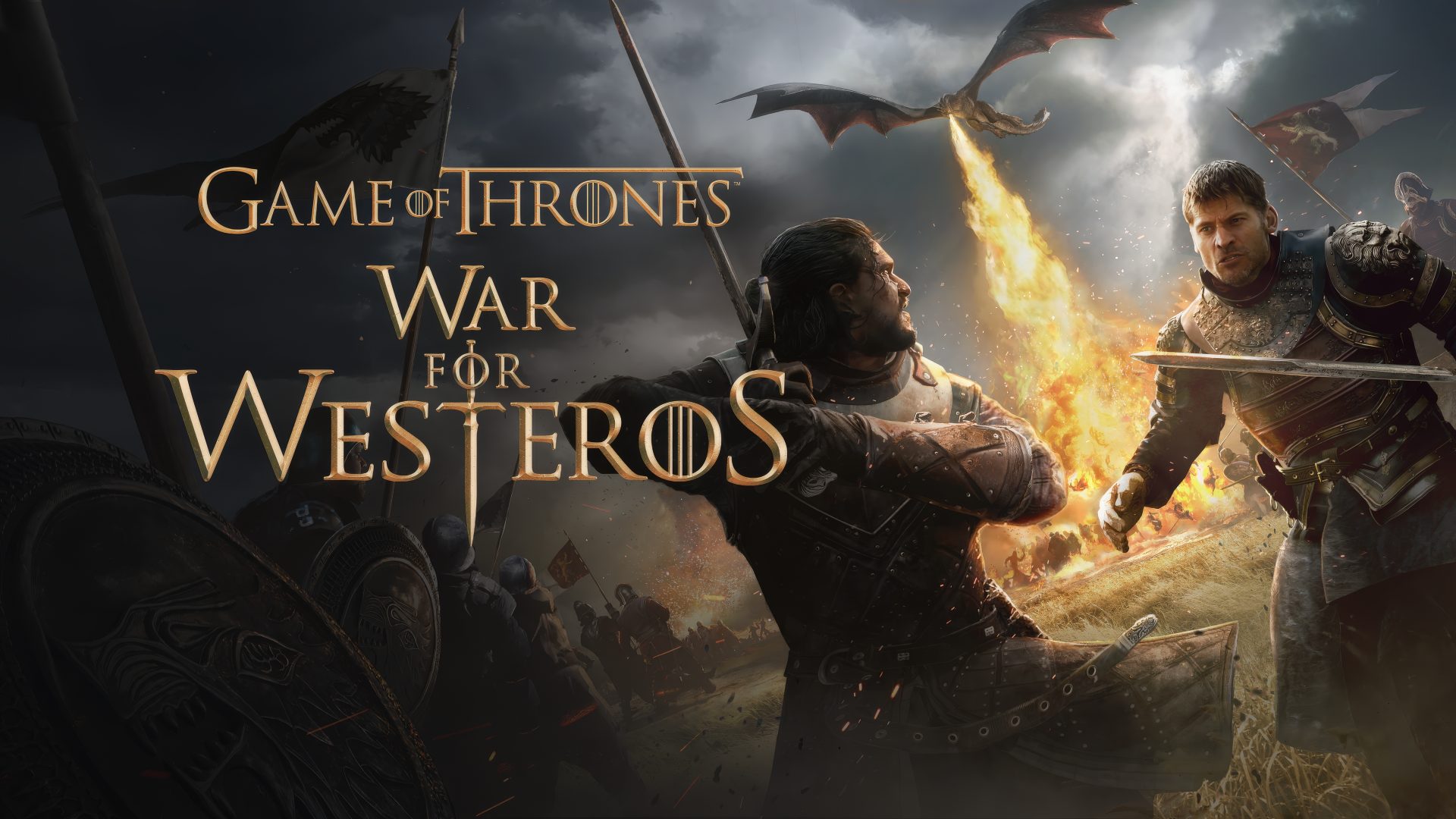
Step into the world of Westeros with Melbourne-based developer PlaySide Studios as they unveil their latest creation, Game of Thrones: War for Westeros, at gamescom 2026. This real-time strategy game promises to bring the epic battles, iconic heroes, and strategic gameplay that fans of the series crave. With a fresh gameplay reveal and the addition of two new heroes, Gregor ‘The Mountain’ Clegane and Arya Stark, the excitement is palpable.

The Intriguing Design of Asymmetry
Game of Thrones: War for Westeros introduces a unique design where each faction, whether it’s House Stark, House Lannister, House Targaryen, or the White Walkers, brings a distinct playstyle to the battlefield. The Lannisters, for example, embody wealth and power, allowing players to leverage their economic prowess to gain influence and access to powerful heroes and units. On the other hand, the White Walkers offer a fresh perspective on the familiar narrative, giving players the chance to command these enigmatic beings.
During our interview with Game Director Ryan McMahon, he hinted at the possibility of controller support and console ports post the PC launch in 2027, opening up new avenues for players to experience the game.
Insights from the Game Director: A Closer Look
Q: How did you secure the Game of Thrones license for this strategy game?
Ryan McMahon: Our journey with the Game of Thrones license began during our work on Age of Darkness. We were inspired by the series and saw an opportunity to collaborate with Warner Bros. on a real-time strategy game set in the Game of Thrones universe. The decision to focus on strategy stemmed from our belief that introducing a beloved IP like Game of Thrones into the genre would attract a wider audience and revitalize interest in real-time strategy games.
Q: What inspired the choice of factions in the game?
Ryan McMahon: The selection of iconic factions like the Starks, Lannisters, and Targaryens was a natural fit due to their prominence in the series. However, the inclusion of the White Walkers was a deliberate move to explore their narrative potential and offer players a unique gameplay experience.
Q: How do you approach balancing the diverse factions in the game?
Ryan McMahon: While balance is essential, we prioritize the ‘rule of cool’ in our design philosophy. Each faction’s distinct strengths and abilities contribute to the overall gameplay experience, ensuring that players can enjoy the strategic depth and narrative richness of Game of Thrones: War for Westeros.
Conclusion: A Game of Thrones Adventure Like Never Before
As Game of Thrones: War for Westeros prepares for its upcoming release, players can look forward to immersing themselves in the intricate world of Westeros, leading their chosen house to victory in epic battles and strategic conquests. With a diverse cast of heroes, engaging gameplay mechanics, and the allure of commanding dragons and White Walkers, this real-time strategy game promises to deliver an unforgettable gaming experience for fans of the series.
The Spectacle of Game Development: An Inside Look at a Cinematic RTS
When diving into the world of real-time strategy games, there’s often a focus on intricate mechanics, strategic depth, and intense gameplay. However, for some developers, the goal is to create a spectacle that captivates players and immerses them in a cinematic experience. This approach is what sets certain games apart from the traditional RTS genre, drawing inspiration from beloved franchises like Smash Bros. and Marvel Rivals.
Creating a Spectacle-First RTS
Interviewer: So you’re trying to make a more cinematic RTS?
Ryan McMahon: Yeah, more spectacle-first, I guess.
Interviewer: Are you also using a physics-driven impact system?
Ryan McMahon: Somewhat. It all runs through the sim layer. It’s not necessarily pure physics, but it is emulating it.
Unit Roles and Physicality in Gameplay
Interviewer: Does that play into the tactics as well?
Ryan McMahon: Essentially, every unit has a unit role and a unit type. The unit type is what the unit is. If it’s riding a horse, it’s a cavalry unit. If it’s on foot, it’s infantry. If it’s got ranged attacks, it’s a ranged unit. On top of that, there’s an extra layer of whether they’re heavy or light, and that determines attack speed, movement speed, health and armor. So you can have heavy cavalry, light cavalry, heavy infantry, light infantry.
In addition, you have their unit role, which is effectively what they’re good at. So you could have a light infantry unit, that’s its type, and its role could be anti-cavalry. What makes it anti-cavalry? It has a spear, and it has a trait that gives it retaliation damage against a charge.
This all ties back to a Venn diagram of combat that shapes much of the unit balance in the game.
Engine Development and Game Balance
Interviewer: Are you using your own engine?
Ryan McMahon: We use Unreal Engine.
Interviewer: Was it challenging to add these kinds of mechanics to the engine?
Ryan McMahon: Yeah. One thing we’ve had to work with is that the Unreal Engine isn’t deterministic. So we have our own deterministic engine layer underneath to run the simulation, which determines all the pathfinding, unit movement and those behaviors. Then the visuals, the abilities and the mechanical layer on top run through Unreal Engine.
Strategic Campaign and Faction Dynamics
Interviewer: When balancing the RTS battles with the overworld campaign layer, which do you think is more important?
Ryan McMahon: I think everything comes back to the skirmish battles and the RTS layer.
Even in the campaign, it’s a sandbox campaign where you play that faction’s conquest of the Seven Kingdoms in a fight for the Iron Throne. You play as the Starks, the Lannisters, the White Walkers or the Targaryens, each with their own conquest of the map and their own objectives to work towards. Within that, you determine which factions win, as well as which heroes within that house sit on the Iron Throne.
But all of the decisions you make in the campaign influence the skirmish layer. So if you’re fighting over a territory, let’s say you’re fighting to claim the Neck, you go into the skirmish layer, and the territories around that can influence the game. All the decisions you make in the meta layer influence the skirmish battles.
Expanding Gameplay and Future Development
Interviewer: Is there a chance you’ll add more factions?
Ryan McMahon: Not for launch. There’s always a chance we’ll add more after launch, for sure. Expanding the game post-launch is something we’d love to do, but we won’t really be going into that until we’re closer to the launch itself.
Interviewer: I’d personally love the Baratheons. And when you were talking about cavalry, the Dothraki came to mind immediately.
Ryan McMahon: It’s the Targaryens who have access to the Dothraki. In the gameplay trailer, you’d have seen the Dothraki, the Unsullied, and the Second Sons, all featured with the Targaryens.
Interviewer: You delayed the game a bit. It was supposed to come out this year. What was the main reason?
Ryan McMahon: I think we were very ambitious with the timeline we set when we announced the game last year. When we announced it, we didn’t have gameplay to show, which was visible in the dev diary.
The Fate of Westeros: A Player-Driven Narrative
In conclusion, this cinematic RTS offers players a chance to rewrite the fate of Westeros, shaping the course of history through strategic battles and impactful decisions. With a focus on spectacle and player agency, the game immerses you in a world where every choice matters, and every victory comes with consequences. As development continues and new features are added, the future of this epic strategy game looks brighter than ever.
Game of Thrones: War of Westeros – An Inside Look at the Development Process
As fans eagerly await the release of Game of Thrones: War of Westeros, the team behind the game has made an important decision. Despite being in the early stages of development, the developers have chosen to delay the release to ensure they deliver the best possible experience for players. This decision reflects their commitment to both the RTS genre and the loyal Game of Thrones fanbase.
A Sneak Peek into the Closed Beta
The team has announced closed beta sign-ups, allowing players to get a preview of the game in the coming months. This beta phase will be crucial in gathering feedback from the community to shape the final product. By engaging with players early on, the developers aim to make informed decisions and address any concerns before the official launch.
Exploring Controller Support and Compatibility
One of the questions on players’ minds is whether Game of Thrones: War of Westeros will support the Steam Deck. While the team is considering it for future updates, full controller support may not be available at launch. However, the developers are open to the idea and are actively working on enhancing the gameplay experience for controller users.
Immersive Maps and Strategic Battles
Each battle in Game of Thrones: War of Westeros takes place on a unique map inspired by locations in Westeros. From the boggy marshlands of the Neck to the historic landmarks of Ashemark, players will navigate diverse terrains that add depth and challenge to the gameplay experience. The attention to detail in recreating these iconic settings showcases the team’s dedication to creating an authentic Game of Thrones experience.
Creating a Welcoming Environment for Newcomers
Recognizing the complexity of the RTS genre, the developers have implemented features to make the game more accessible to newcomers. A comprehensive tutorial and intuitive design allow players to learn and explore the game mechanics at their own pace. By simplifying resource management and emphasizing strategic decision-making, the team aims to create a seamless and enjoyable experience for all players.
Conclusion: A Game of Thrones Experience Like Never Before
Game of Thrones: War of Westeros promises to deliver a captivating blend of strategy and storytelling that will appeal to both fans of the series and RTS enthusiasts. With a commitment to player feedback, immersive maps, and accessible gameplay mechanics, the developers are poised to create a game that truly captures the essence of the iconic franchise. Stay tuned for more updates as the game progresses towards its official release.
**Title: The Ultimate Guide to Mastering Fortnite: Tips and Strategies for Victory Royale**
Fortnite has taken the gaming world by storm with its unique blend of building, shooting, and survival gameplay. Whether you’re a seasoned player looking to up your game or a newcomer trying to navigate the world of Fortnite, this guide will provide you with the tips and strategies you need to achieve Victory Royale.
**Introduction: Unleash Your Inner Fortnite Champion**
Are you ready to dive into the fast-paced world of Fortnite and emerge victorious? With millions of players worldwide, mastering this game requires skill, strategy, and a whole lot of practice. But fear not, as this guide is here to help you become the ultimate Fortnite champion.
**H2: Mastering the Basics**
Before you can conquer the battlefield in Fortnite, you need to master the basics. This includes familiarizing yourself with the game’s controls, understanding the different weapons and items, and learning how to build structures to gain the upper hand in combat.
**H3: Practice Makes Perfect**
Like any competitive game, practice is key to mastering Fortnite. Spend time in the game’s various modes to hone your skills, from solo play to squad matches. Experiment with different weapons, building techniques, and strategies to find what works best for you.
**H2: Strategic Gameplay**
Fortnite is not just about running and gunning. To truly dominate the battlefield, you need to employ strategic gameplay. This includes knowing when to engage in combat, when to retreat, and how to outsmart your opponents with clever building tactics.
**H3: The Importance of Positioning**
Positioning is crucial in Fortnite, as it can mean the difference between victory and defeat. Always be aware of your surroundings, use natural cover to your advantage, and secure high ground whenever possible to gain a tactical advantage over your enemies.
**Conclusion: Rise to Victory in Fortnite**
By mastering the basics, practicing diligently, and employing strategic gameplay, you can rise to victory in Fortnite and claim that elusive Victory Royale. So gear up, jump into the battlefield, and show the world what you’re made of in this exhilarating game of skill and survival.