Update 16:20 BST: The local region organisers in Spain, Circuito Tormenta, have prohibited the team and players on the Klan until 2027. Additionally, the JetaCup has lost all support systems and tools as the company revoked its license to operate officially in Spanish LoL.
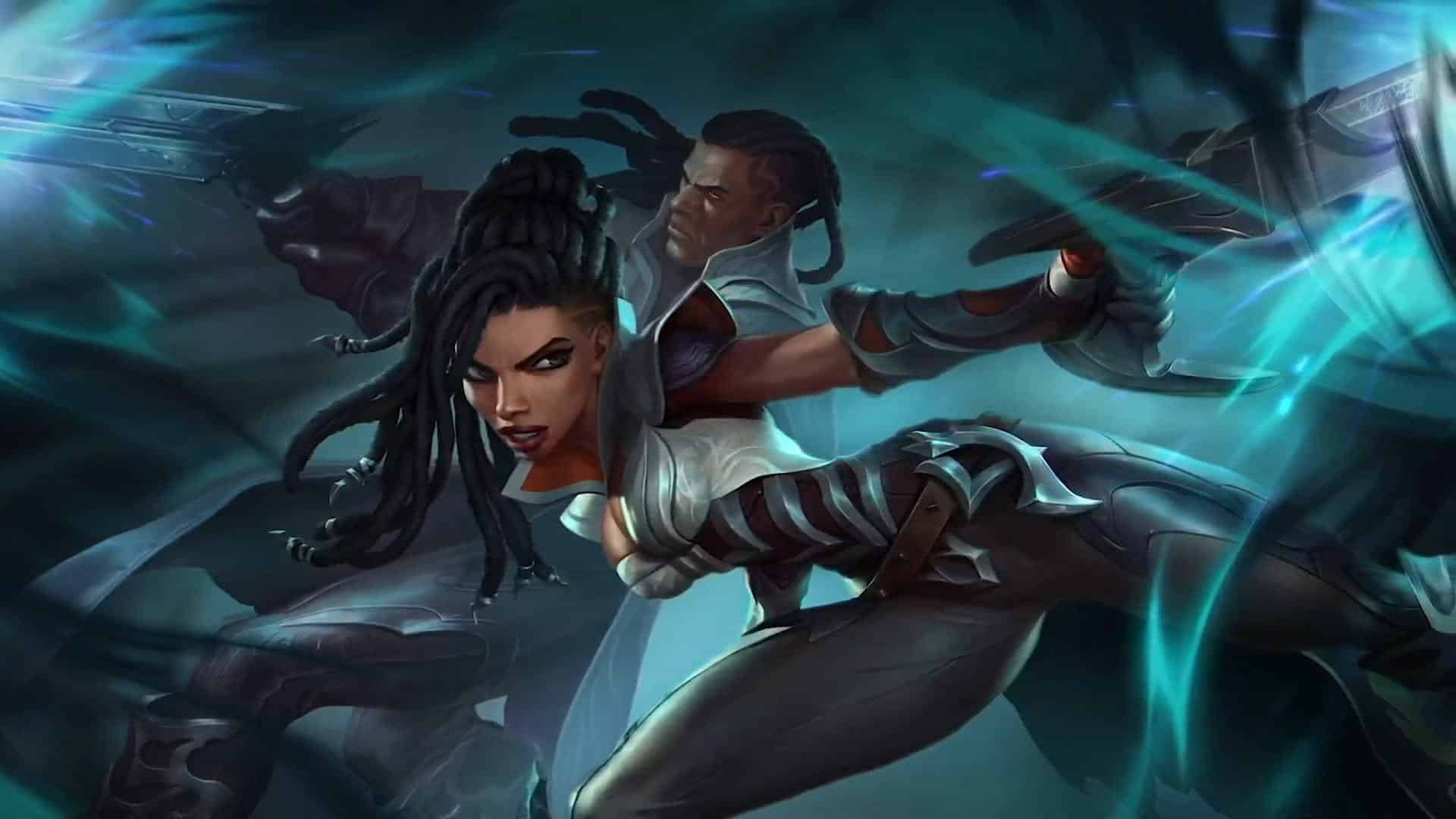
A community-created tournament for League of Legends, the JetaCup, has faced criticism after promotional material for one of its teams seemed to allude to the Ku Klux Klan. The situation escalated with now-deleted tweets on X that appeared to contain racial jokes involving Lucian and Senna, two non-white champions in League of Legends.
The tournament showcases a team named KeKe Clan, which critics have interpreted as a reference to the KKK, a white supremacist group in America known for its history of racial violence against Black Americans, including lynchings. Screenshots of the deleted tweets have been archived through a Reddit thread, with at least one individual associated with the team being linked to the controversy.
Implications of Grassroots Events
The issue is exacerbated by the tournament’s connections. The event is named after the well-known Spanish creator, Lyon Toad, giving it increased visibility in the Spanish League of Legends community.
Recently, the event featured a match between SK Gaming’s Head Coach, David “OWN3R” Rodriguez de la Torre, and former Heretics coach Victor “Machuki” Machuca Segura. This demonstrates that despite its grassroots nature, the tournament has attracted individuals with significant experience in competitive play at higher levels.
La jetacup nos va a regalar un @OwN3RLoL vs Machuki_LoL
En pleno 2026
¿¿Esto qué es?? https://t.co/3ggCp4wGzh
— JetaCup (@JetaCup) August 18, 2026
Riot Games’ guidelines for community competitions state clearly that participants must not engage in “abusive, exclusionary, fraudulent, or otherwise harmful behavior.” Critics argue that a team seemingly referencing a white supremacist organization violates these guidelines.
Broadcaster Toad was live streaming in the early hours, addressing Spanish fans and clarifying his stance. He has since responded, stating that he has no involvement in the event’s management, that he only lent his name to the tournament, and that his role has been limited to casting the Grand Finals in previous editions.
No se me ocurrió que pudieran hacer algo así. Evidentemente no debí ceder mi imagen a terceros sin supervisarlo, pero jamás pensé que fuera a pasar algo de este estilo. La idea siempre fue hacer torneos chorra para que la gente se lo pasara bien. No volverá a ocurrir porque no…
— LYON Toad (@ToadAmarillo) August 25, 2026
This incident comes as Riot Games has recently streamlined the process for creating grassroots and community events, as reported earlier this month.
The controversy underscores the reputational risks associated with creators, coaches, or organizations lending their names to grassroots competitions without proper oversight. It also serves as a stark reminder of the importance of adhering to rules, establishing proper organizational structures, and enforcing moderation in esports. What may have started as a ‘silly joke’ has now spread well beyond its initial audience, with screenshots circulating in the public domain.
The incident highlights a major challenge posed by a more open grassroots esports ecosystem. While Riot’s new framework empowers communities to organize competitions, it also emphasizes the need for responsibility. Tournament organizers must take charge of monitoring team names, promotional materials, and participant behavior.