Throughout the history of the gaming industry, the common belief regarding sequels has been to capitalize on success quickly. It was essential to release a sequel while the original game was still popular to maintain the momentum. Franchises, built on multiple successful games, required a consistent release schedule to keep the brand relevant.
The trend of rapid sequels and frequent franchise releases has shifted over the past decade. Yearly franchise releases are now rare, with longer gaps between sequels becoming more common. This change can be attributed to various factors, including longer development times and the need for sequels to offer more than just new content.
Audience preferences have also played a significant role in this shift. Consumers today are looking for more than just sequels; they want unique and fresh experiences. This change in consumer behavior has affected not only the gaming industry but also other forms of media, such as movies.
The success of recent summer movie releases highlights the importance of creating events that capture audience attention. Movies that felt like major events garnered significant success, while those lacking the event factor struggled to attract audiences.

Creating an event around a game or movie launch has become crucial in today’s crowded entertainment landscape. Games that manage to stand out as events attract more attention and engagement from consumers.
Developers are now striving to understand what makes a game launch an event and how to capture that essence to ensure success in a competitive market. The emphasis is shifting from quick sequels to creating unique and memorable experiences that resonate with audiences.
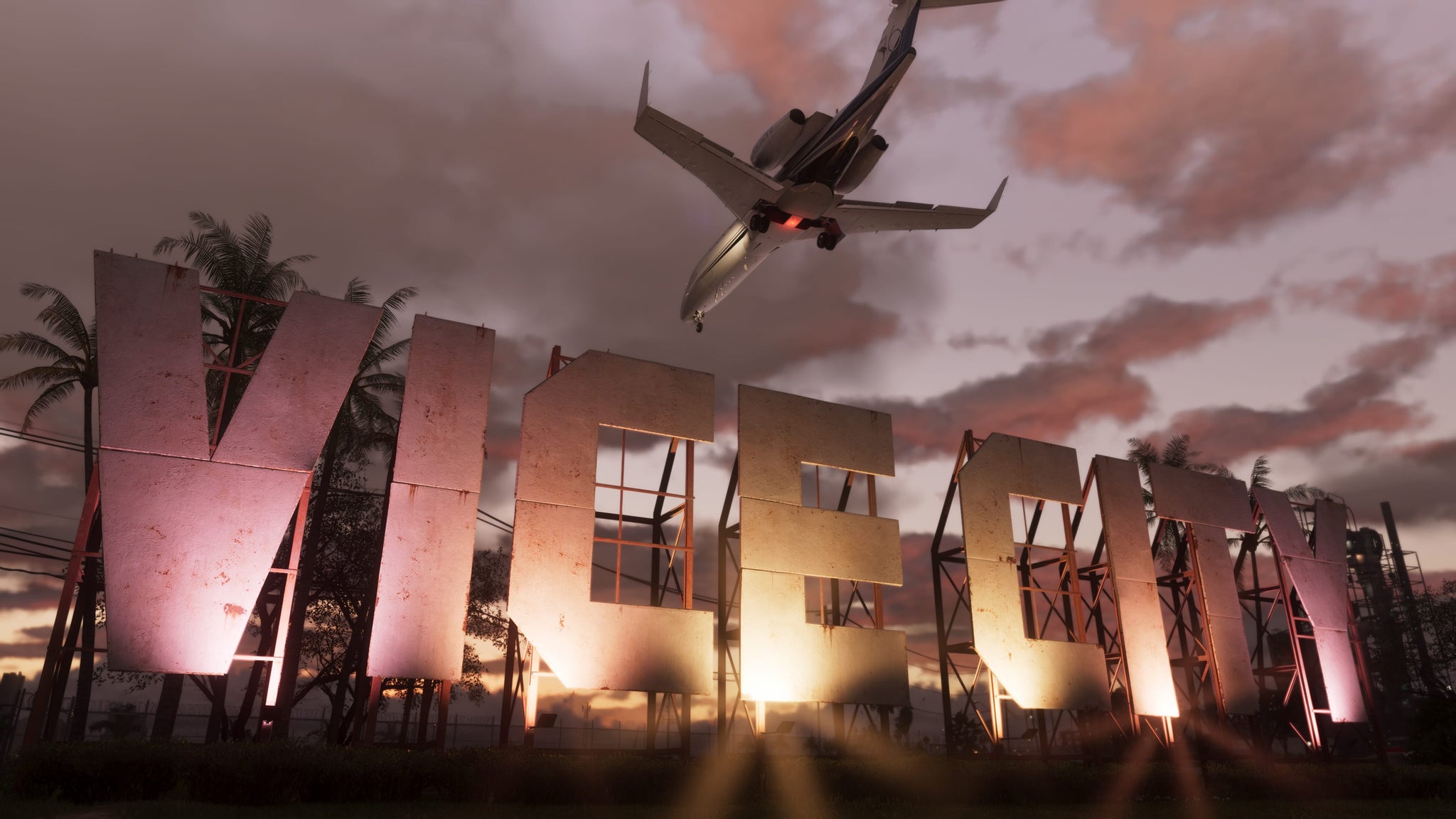
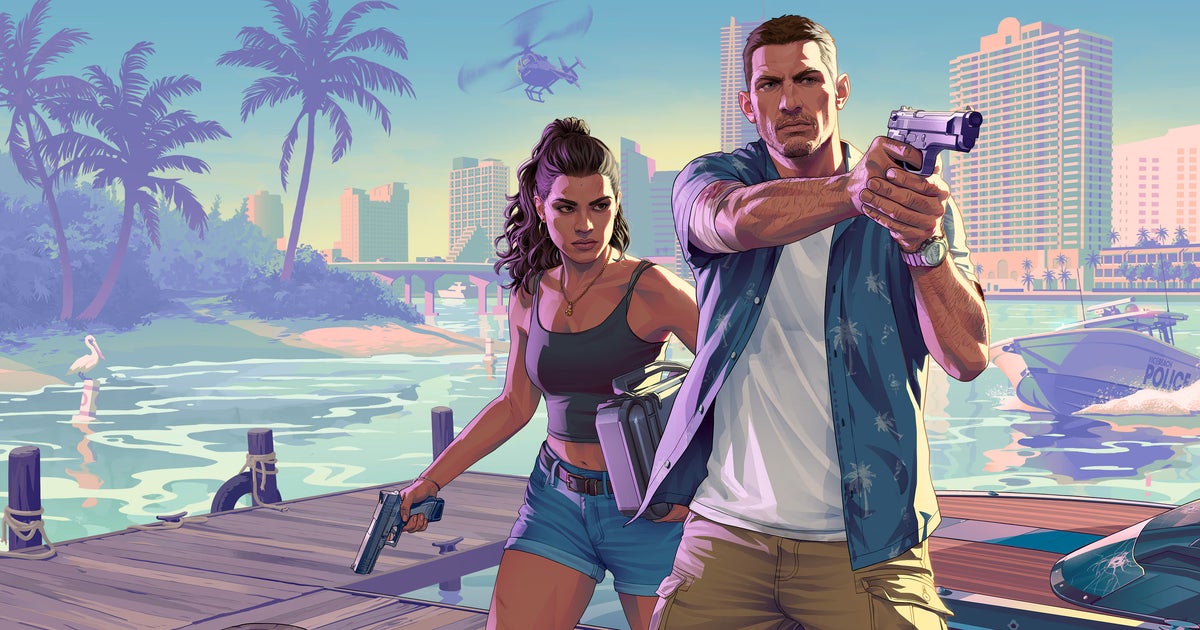
The upcoming release of GTA6 exemplifies the importance of creating an event around a game launch. By taking the time to develop a highly anticipated sequel, developers can generate significant excitement and anticipation among consumers, setting the stage for a successful launch.