Table of Contents
The Classic DOOM Game Gets a Modern Upgrade with NVIDIA DLSS 5 Neural Rendering
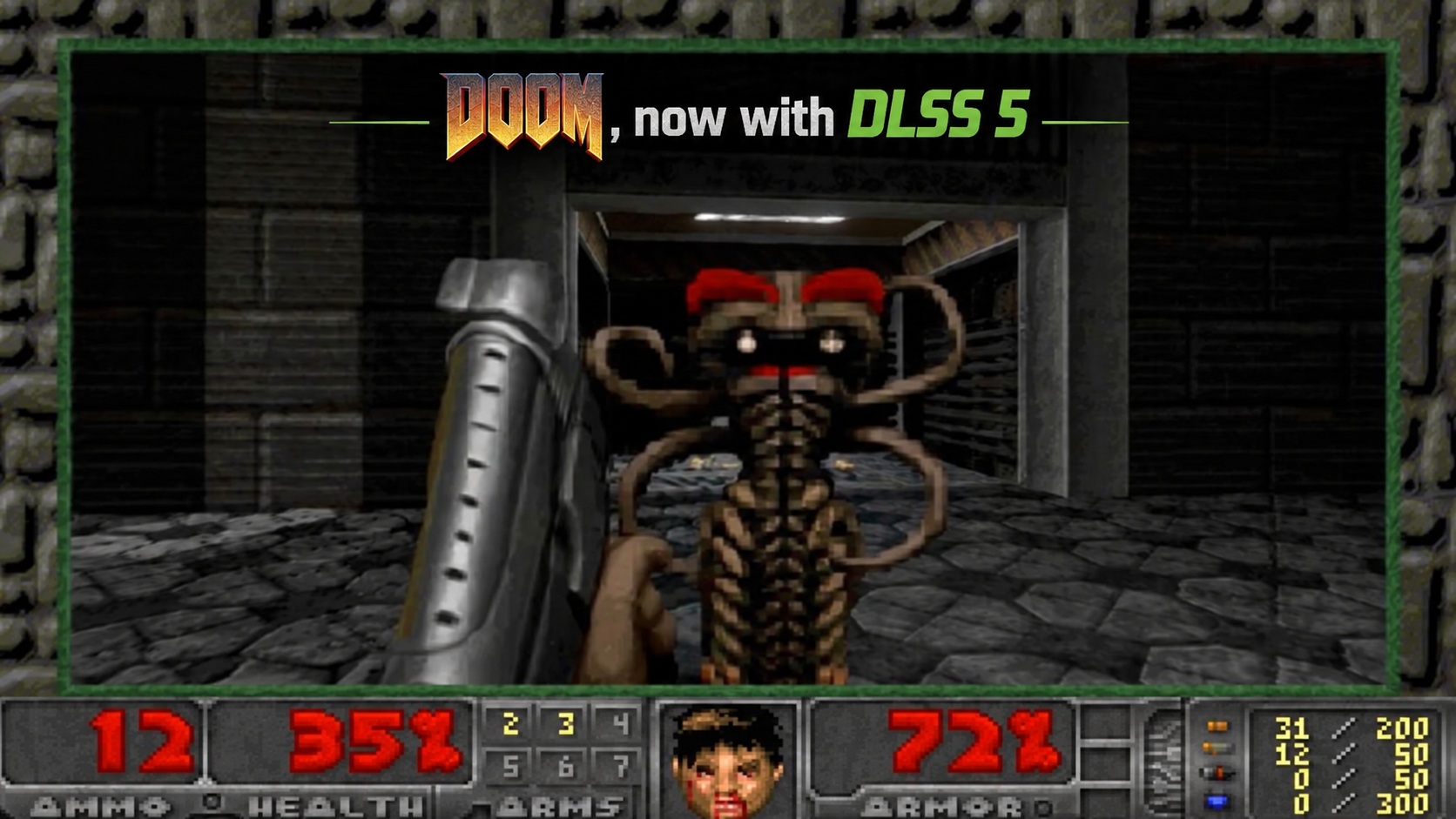
As gamers, we often look back fondly on the classics that shaped the industry. One such classic is the original DOOM from 1993. Now, developer Nikolai Zhivotenko has taken this iconic game and given it a modern twist by introducing NVIDIA DLSS 5 Neural Rendering through a custom Windows port.

Reviving a Classic with Modern Technology
The project, known as DOOM + DLSS 5, is a reimagining of Linux DOOM 1.10 converted into a 64-bit Windows application using a DirectX 12 presentation path. Unlike simple injections, the renderer has been overhauled to support the advanced features of DLSS 5.
While the game still runs at its original 320×200 resolution, the output is displayed in a 1280×800 DX12 window. Additionally, the modified renderer now generates depth, normal, and motion data for each frame, aligning it with modern rendering technologies.
Exploring Upscaling Options
One of the highlights of this project is the variety of upscaling modes available. Users can choose from DLSS Ray Reconstruction, DLSS 4 Super Resolution, AMD FSR 2.2, Anime4K, or simple nearest-neighbor 4x scaling. The DLSS 5 mode combines DLSS 4.5 with Neural Rendering for a unique visual experience.

Embracing the Future of Retro Gaming
While the results may not replace the charm of classic DOOM’s pixelated graphics, the project showcases the potential of blending retro games with cutting-edge technology. The open-source nature of the project encourages experimentation and innovation within the gaming community.
For enthusiasts eager to explore this fusion of old and new, the GPLv2-licensed source code is available on GitHub. By providing their own DOOM IWAD and building the Windows port, users can delve into the various rendering modes and witness the evolution of a timeless classic.
As we continue to push the boundaries of what is possible in gaming, projects like DOOM + DLSS 5 serve as a reminder of the enduring legacy of games like DOOM and their ability to adapt to the ever-changing landscape of technology.
News Source: GitHub via VideoCardz

About the author: Sebastian Castellanos is a data scientist with a passion for PC gaming hardware and software. His technical articles and guides on PC hardware, games, and mods aim to educate and inspire fellow gamers.