One aspect of online conversations about video games that I would gladly banish forever is the presence of casual bigotry. Another trope that deserves to go along with it is the “lazy devs” narrative that tends to surface.
This particular accusation not only lacks any solid basis but also reflects a lazy mindset itself. It symbolizes the entitled attitude prevalent in this new era of consumer-driven “fandom”. If the developers don’t cater to every whim, they are quickly labeled as lazy and incompetent. It’s a reflection of a skewed perspective where consumers feel they hold all the power over creators.
I can understand where consumer frustrations stem from, even when they criticize corporate greed, albeit often misdirected. The shift in development priorities can be disheartening for fans. I can empathize with those who struggle to adjust to the increasing representation of diverse characters in games.
“The lazy accusation gets my goat, because video games only exist through the passion and dedication of the people who work at the coalface of development”
But the notion of developers being lazy strikes a nerve with me. Video games thrive due to the hard work and commitment of those working tirelessly in the development process. This passion is frequently taken advantage of by industry leaders, leading to longer hours, lower pay, and burnout among staff. It’s disheartening to see such accusations thrown around in online discussions without considering the toll it takes on developers.
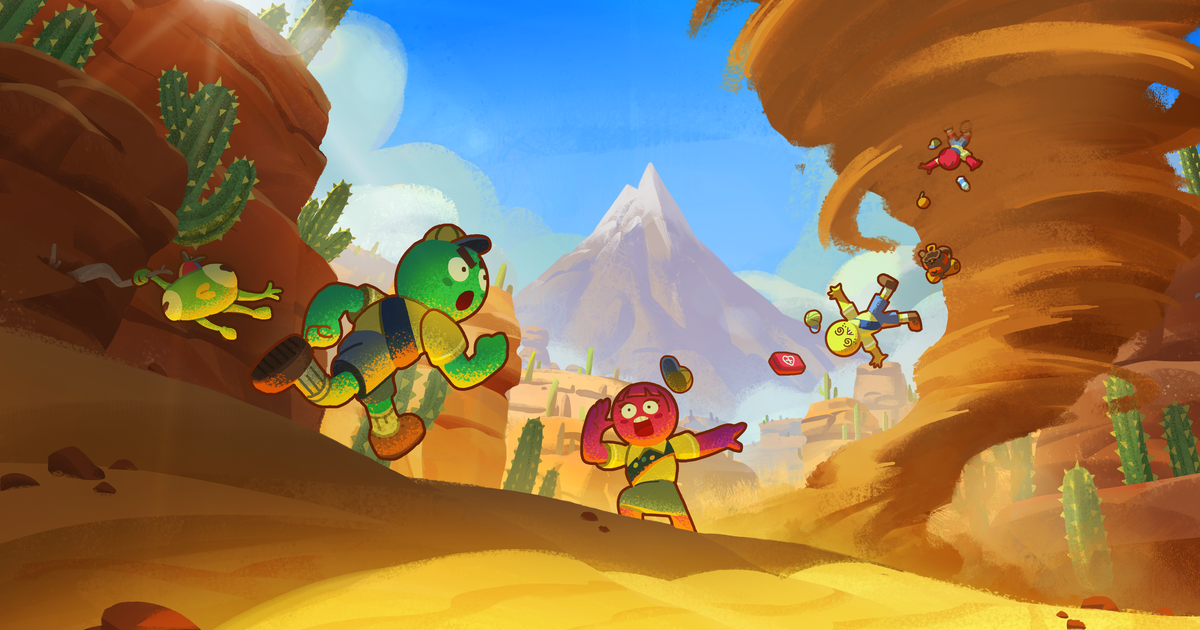
Kudos to Landfall Games, the creators of the Steam hit Peak, for their composed response to accusations of a “lazy dev cycle”. They clarified that their game receives numerous free updates post-launch, although it’s not a live service game, emphasizing that updates are a bonus, not an entitlement.
In a video elaboration, they highlighted the growing disparity between their development approach and the expectations of certain players. The rise of live service games has skewed player expectations, fueling this disconnect.

The gaming landscape has evolved significantly in the past decade, with single-player titles now facing unrealistic demands akin to live service games. The concept of games being labeled as “dead” or “abandoned” due to declining player numbers or lack of continuous updates is a byproduct of this shift.
This new wave of entitlement extends beyond games, seeping into all forms of media. The modern idea of “fandom” revolves around consumer entitlement, where fans believe their purchases grant them the authority to dictate the creative direction of the product. This trend mirrors the unhealthy relationships cultivated with social media influencers, blurring the lines between creators and consumers.
“The expectation of endless service has been wilfully stoked by plenty of companies over the years”
While consumer attitudes play a role in strained developer-player relationships, it’s essential to acknowledge that this shift didn’t occur in isolation. Companies, especially those in the live service realm, have perpetuated the expectation of continuous updates and content.
Developers, particularly indie studios, have the right to pursue new projects instead of focusing solely on extending the lifespan of existing games. Players should view games as complete experiences, with additional content as a bonus rather than an entitlement. Achieving this balance requires a recalibration of consumer expectations nurtured by the industry over the past decade.