Table of Contents
Revolutionizing the Future of Desktop CPUs: AMD’s Olympic Ridge Lineup
Imagine a world where cutting-edge technology meets unparalleled performance in the realm of desktop CPUs. AMD’s next-gen Ryzen Desktop CPUs, codenamed Olympic Ridge, are set to redefine the landscape of computing. The Zen 6 core architecture, coupled with innovative features like an integrated NPU, promises a leap forward in processing power. However, in a surprising move, AMD has decided to bid farewell to the iGPU, making room for more advanced capabilities.
The Evolution of AMD’s Ryzen Desktop CPU Lineup
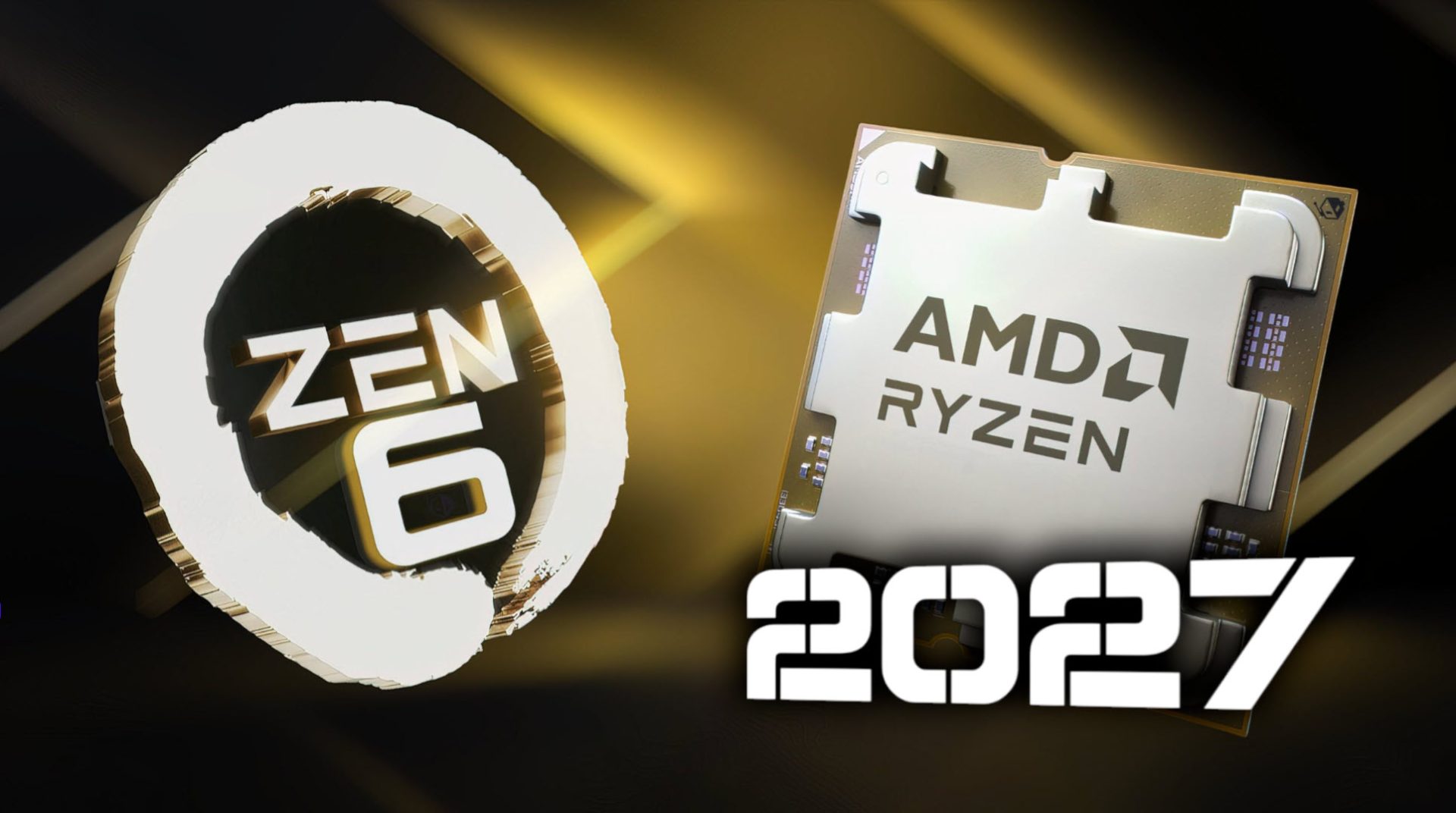
The highly anticipated next-generation AMD Ryzen Desktop CPU lineup, slated for release in 2027, is causing ripples of excitement in the tech community. Featuring the Zen 6 core architecture and leveraging the TSMC 2nm “N2P” process technology, these processors are poised to deliver significant improvements in IPC, efficiency, and overall performance.
The Olympic Ridge family boasts a fresh CCD design with up to 12 cores and 48 MB of L3 cache, offering a range of configurations from 6 to 24 cores with SMT support. Building on the success of the previous generations, these Ryzen processors will feature 3D V-Cache flavors, promising further enhancements in performance.
Unleashing the Power of Olympic Ridge
With a lineup that includes configurations like single-CCD 6-core and dual-CCD 24-core variants, the AMD Olympic Ridge processors are designed to cater to a diverse range of computing needs. Enhanced IO capabilities, Wi-Fi 7 support, and optimized compatibility with faster DDR5 memory modules ensure a seamless user experience.
Furthermore, the integration of an NPU within the IO die marks a significant milestone for AMD, making these processors the first standard AMD chips to feature an NPU. While the removal of the iGPU may impact certain diagnostic functionalities, the overall performance gains and advanced capabilities of the Olympic Ridge lineup far outweigh this limitation.

The Battle of Titans: AMD Olympic Ridge vs. Intel Nova Lake-S
| CPUs | Intel Core Ultra 400 | AMD Ryzen 10000? |
|---|---|---|
| Family | Nova Lake-S | Olympic Ridge |
| Architecture | Coyote Cove (P-Core) Arctic Wolf (E/LP Core) |
Zen 6 |
| CPU Process | TSMC N2P | TSMC N2P |
| Core Count (Max) | 52 | 24 |
| Thread Count (Max) | 52 | 48 |
| Max P-Cores | 16 | 24 |
| Max E-Cores | 32 | N/A |
| Max LP-E Cores | 4 | N/A |
| Max Cache (L2+L3) | 160-320 MB | 96 MB L3 |
| Max bLLC Cache | 144-288 MB | 64 MB per stack? |
| DDR5 (1DPC 1R) | 8000 MT/s CUDIMM – Yes |
7200 MT/s? CUDIMM – Yes |
| PCIe 5.0 Lanes (Max) | 36 | TBD |
| PCIe 4.0 Lanes (Max) | 16 | TBD |
| Socket Support | LGA 1954 | AM5 |
| Max TDP (PL1) | 125-175W | 125W+ |
| Max Power | ~700W (Dual) ~350W (Single) |
TBD |
| Launch | 2027 | 2027 |
As we eagerly await the arrival of the AMD Olympic Ridge processors in 2027, it’s clear that these cutting-edge CPUs are set to redefine the desktop computing experience. With a focus on performance, innovation, and advanced features, AMD is poised to captivate enthusiasts and mainstream users alike, setting the stage for an exciting era in CPU technology.