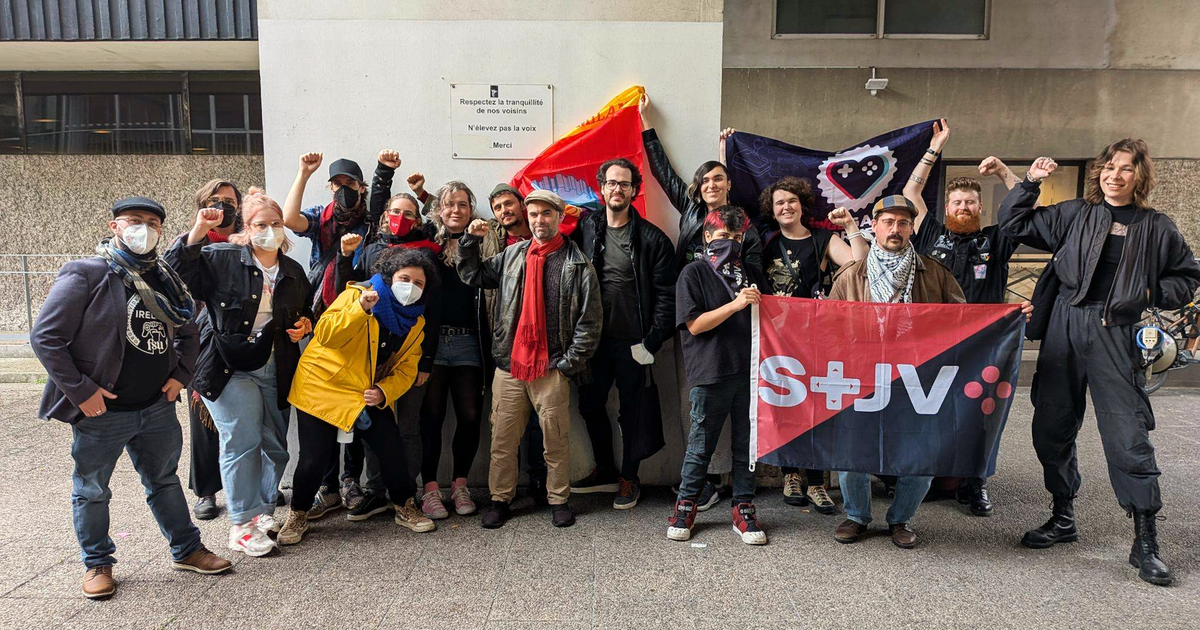
In recent years, the emergence of unions in the video game industry has sparked widespread discussion. Workers are increasingly seeking protection for their rights in response to challenging working conditions and management issues worldwide.
A significant number of game-specific unions have been established relatively quickly, showcasing their value through various successful actions. For instance, SAG-AFTRA went on strike to secure better pay and AI protections for video game voice actors, while ZeniMax workers protested over remote work and outsourcing issues. Additionally, union-organized protests have occurred at the premises of several major game companies.
This growing trend indicates a shift in the industry landscape, with unions playing an increasingly vital role in games workplaces. This topic will be explored further at the upcoming HR Summit on October 1, highlighting the industry’s evolving dynamics regarding unionization.

Austin Kelmore, co-founder of the IWGB Game Workers and Game Worker Solidarity, reflects on the significant progress made in unionizing the games industry. He notes the remarkable increase in worker organizations globally and the tangible improvements achieved in various workplaces. The focus has shifted from questioning the need for unionization to identifying which workers will unionize next.
Union representative Marc Rutschlé from Solidaires Informatique at Ubisoft Paris highlights the advancements of unions within Ubisoft’s French studios. The presence of unions in almost every Ubisoft company in France signifies a maturing social dialogue within the organization.

Despite these advancements, challenges persist, particularly in the Polish Gamedev Workers Union. Artur Ganszyniec explains the difficulties posed by outdated labor laws and employer-favoring regulations in Poland, hindering union effectiveness.

Despite these challenges, the Polish Gamedev Workers Union has made significant strides in supporting employees during layoffs, providing legal assistance, and fostering a supportive community for its members.
These examples underscore the positive impact unions have had, with workers securing various benefits such as shorter work weeks, pay raises, flexible working arrangements, and legal protections. Unions have also played a crucial role in addressing workplace issues, preventing harassment, and advocating for fair treatment of employees.
Moreover, unions have influenced company practices by ensuring compliance with labor laws and promoting a more equitable work environment. Companies have recognized the need to engage with unions to address worker concerns and uphold industry standards.

Unions continue to face obstacles, including legal and cultural barriers, but their collaborative efforts have the potential to enhance worker protections and industry standards.
By promoting knowledge sharing, advocating for better working conditions, and fostering a supportive community, unions play a vital role in empowering workers and improving the overall quality of the industry.