Table of Contents
The Evolution of India’s AVGC Industry: A Look into the Future
India’s Animation, Visual Effects, Gaming, and Comics (AVGC) industry is undergoing a significant transformation, shifting from a niche sector to a potential powerhouse that could create nearly two million jobs by 2030. This shift has sparked discussions around the need for talent, infrastructure, and technology to support this growth. Simultaneously, advancements in AI-powered workflows, real-time rendering, and virtual production are reshaping the expectations of creators, making computing power a crucial component in their toolkit.
A Conversation with Vishal Parekh, COO of CyberPowerPC India
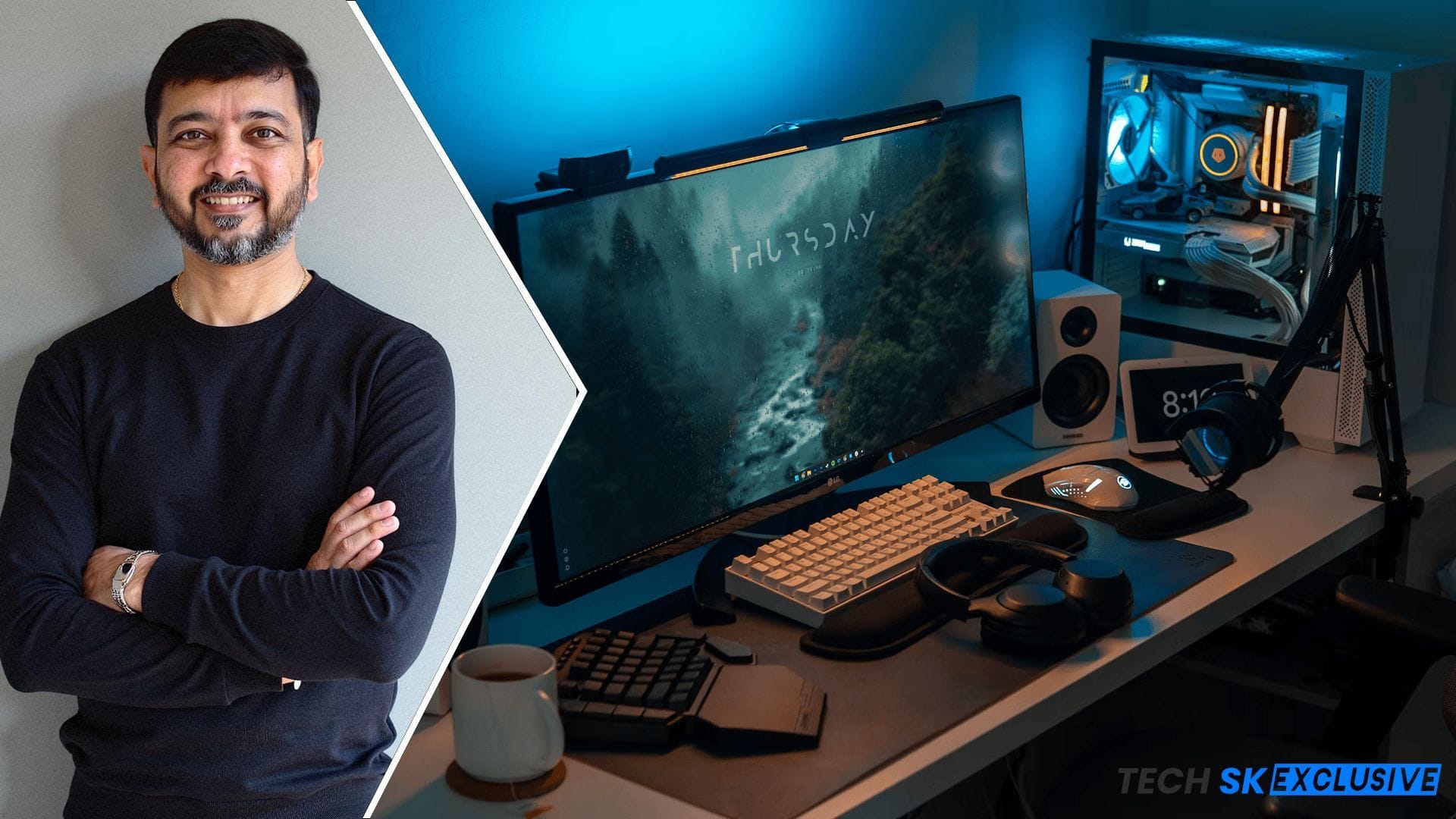
Recently, we had the opportunity to sit down with Vishal Parekh, COO of CyberPowerPC India, to discuss the evolving creator economy in India and its intersection with gaming. Parekh highlighted the significance of high-performance PCs not just for gamers but also as essential tools for creators across various industries.
The Infrastructure Challenge: Paving the Way for Future Creators
Q) Addressing the Infrastructure Needs of India’s AVGC Sector
Parekh emphasized that while India possesses significant creative talent, the real challenge lies in providing access to the necessary ecosystem for individuals to build successful careers in the AVGC industry. With the increasing complexity of creative workflows involving AI tools, real-time engines, and advanced rendering software, the demand for high-performance computing has surged. However, limited access to industry-grade hardware poses a barrier to many aspiring professionals. To bridge this gap, educational institutions must offer industry-aligned curricula, up-to-date technology training, and stronger industry partnerships to prepare students for the demands of creative careers.
At CyberPowerPC India, they have introduced a dedicated creator discount program to ensure that technology does not hinder creative potential. Parekh emphasized that to establish India as a global AVGC powerhouse, nurturing talent and developing a supportive ecosystem must go hand in hand.
Redefining the Creator Economy
Q) The Broadening Definition of Creators
Parekh highlighted a shift in the definition of creators, moving away from where they publish content to what they create. Today, creators span across various fields, including game development, architecture, VFX, AI art, and indie filmmaking, each leveraging technology to solve creative challenges and bring ideas to life. The evolution of AI and powerful hardware has democratized access to professional-grade tools, allowing more individuals to pursue creative careers on their own terms.
Supporting this diverse community of creators entails providing them with the right hardware to unleash their creativity without limitations. CyberPowerPC India aims to empower creators across all disciplines, recognizing that computing power should never hinder the creative process.
AI and Computing Power: Catalysts for Creative Innovation
Q) The Impact of AI on Content Creation
Parekh acknowledged that AI has accelerated the creative process, enabling individuals to experiment, iterate, and produce content more efficiently than ever before. While AI has lowered the barrier to entry for many creators, the computational demands it brings require high-performance systems to fully realize its potential. Access to robust computing power is essential to ensure that creators can focus on their ideas rather than technical limitations.
Shifting Mindsets: Hardware as a Core Component of Creativity
Q) Recognizing the Role of Hardware in Creative Workflows
Parekh emphasized that hardware is often overlooked in conversations surrounding the creator economy, despite being a fundamental component of modern creative workflows. As creative processes become more demanding with AI, real-time rendering, and sophisticated software, hardware plays a critical role in maintaining the creative flow. Investing in the right tools is not about chasing specifications but about providing creators with the freedom to unleash their creativity.
By shifting the focus towards empowering creators with the right tools, the industry can foster a culture of innovation and excellence.
Embracing a Unified Future for PC Technology
Q) Blurring the Lines Between Gaming and Creation
Parekh discussed the convergence of gaming, content creation, AI, and education on a single platform, highlighting that high-performance PCs are no longer limited to a single purpose. The distinction between gaming PCs and creator workstations is fading, with both requiring speed, reliability, and consistent performance tailored to individual workflows. The future lies in building flexible, high-performance systems that adapt to the diverse needs of creators across various disciplines.
Looking Ahead: Nurturing Talent for a Creative Future
Q) The Unexplored Conversations in India’s Creative Landscape
Parekh emphasized the need to focus on nurturing creative talent from a young age, providing them with exposure to technology, problem-solving, and mentorship to prepare them for future careers. Collaboration between academia and industry is essential to bridge the gap between education and real-world demands, ensuring that graduates are equipped with the skills and knowledge needed to excel in the evolving creative landscape.
By fostering a supportive ecosystem that develops, supports, and prepares talent for the future, India can position itself as a global hub for creativity and innovation.
As the industry continues to evolve, the intersection of technology, creativity, and education will play a crucial role in shaping the future of India’s AVGC sector.