Table of Contents
Taiwan’s Push for Self-Sustaining Power Generation
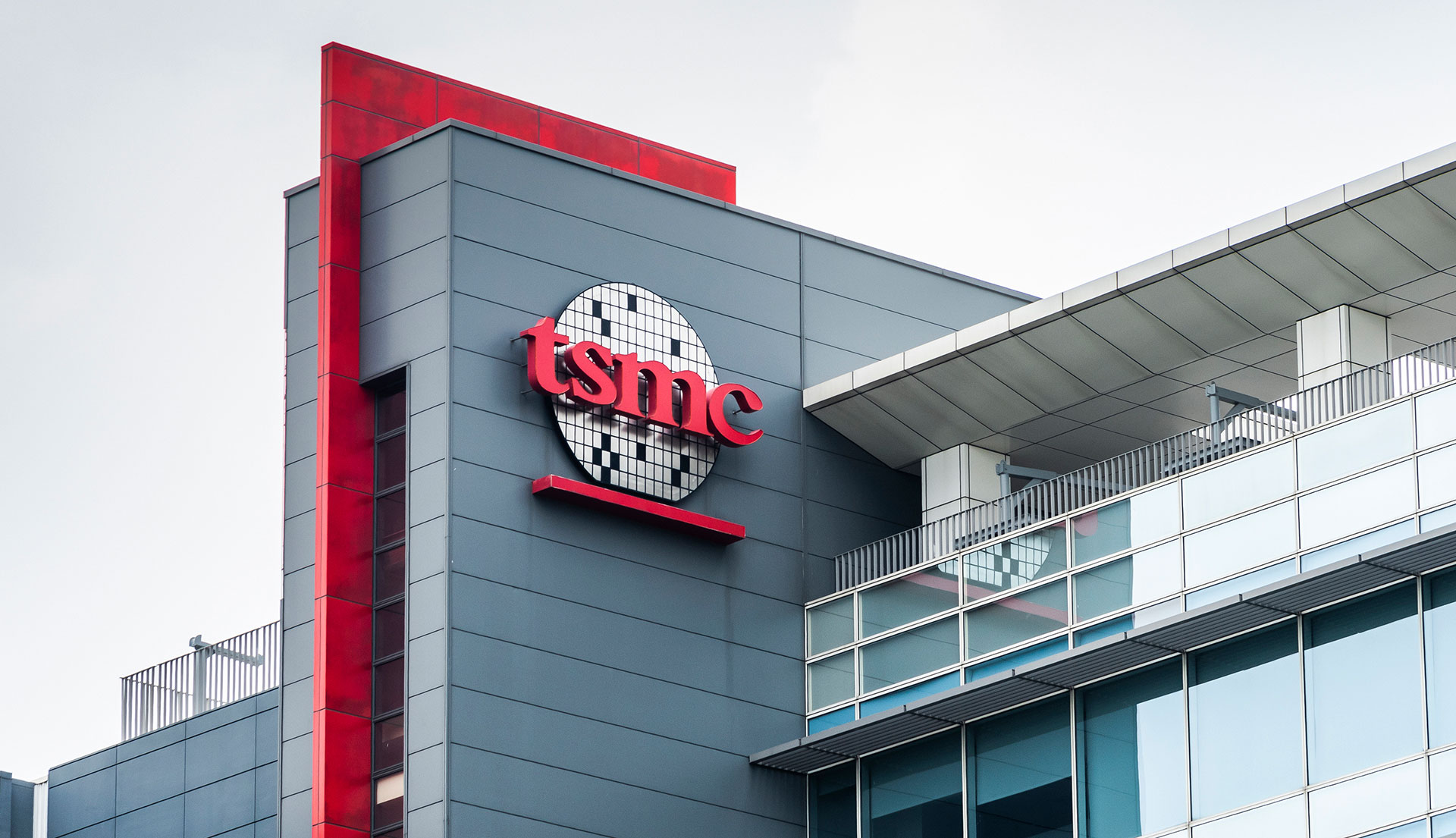
In a bold move, Taiwan is set to require all large commercial consumers of electricity to establish their own power generation and storage systems. This mandate, excluding only schools and hospitals, is expected to have significant implications for major players like TSMC.
The Impact on TSMC and Economies of Scale
TSMC, one of the largest electricity consumers in Taiwan, stands to lose the benefits of grid-based power as a result of these new regulations. The Ministry of Economic Affairs is leading the charge for this change, with the legislative process underway.
While existing laws already necessitate a portion of electricity consumption to come from renewable sources, the proposed amendment will expand this requirement to all large consumers of electricity. This includes over 400 commercial entities across various industries, from semiconductor plants to data centers.
Given TSMC’s status as a major electricity consumer in Taiwan, the impact of this amendment will be particularly felt by the company. With its extensive network of fabs potentially relying on captive power plants, TSMC faces a shift away from the cost efficiencies associated with grid-supplied electricity.
Transition Period and Penalties
The new regulations will allow for a grace period for affected businesses to install the necessary power infrastructure. Non-compliance may result in financial penalties, underscoring the seriousness of the government’s push towards self-sustaining energy systems.
For context, TSMC operates several chip fabrication facilities in Taiwan, including GIGAFAB and wafer labs, along with advanced packaging plants. The company’s substantial electricity consumption, amounting to 25.55 billion KWh in 2024, highlights the scale of the challenge posed by transitioning to captive power sources.
Conclusion
As Taiwan moves towards a more self-reliant energy model, businesses like TSMC face a significant shift in their operational requirements. The impending regulations signal a broader trend towards sustainability and energy independence, shaping the landscape for large electricity consumers in the region.