Table of Contents
The Future of Gaming: NVIDIA Cosmos and the Evolution of Interactive Physics
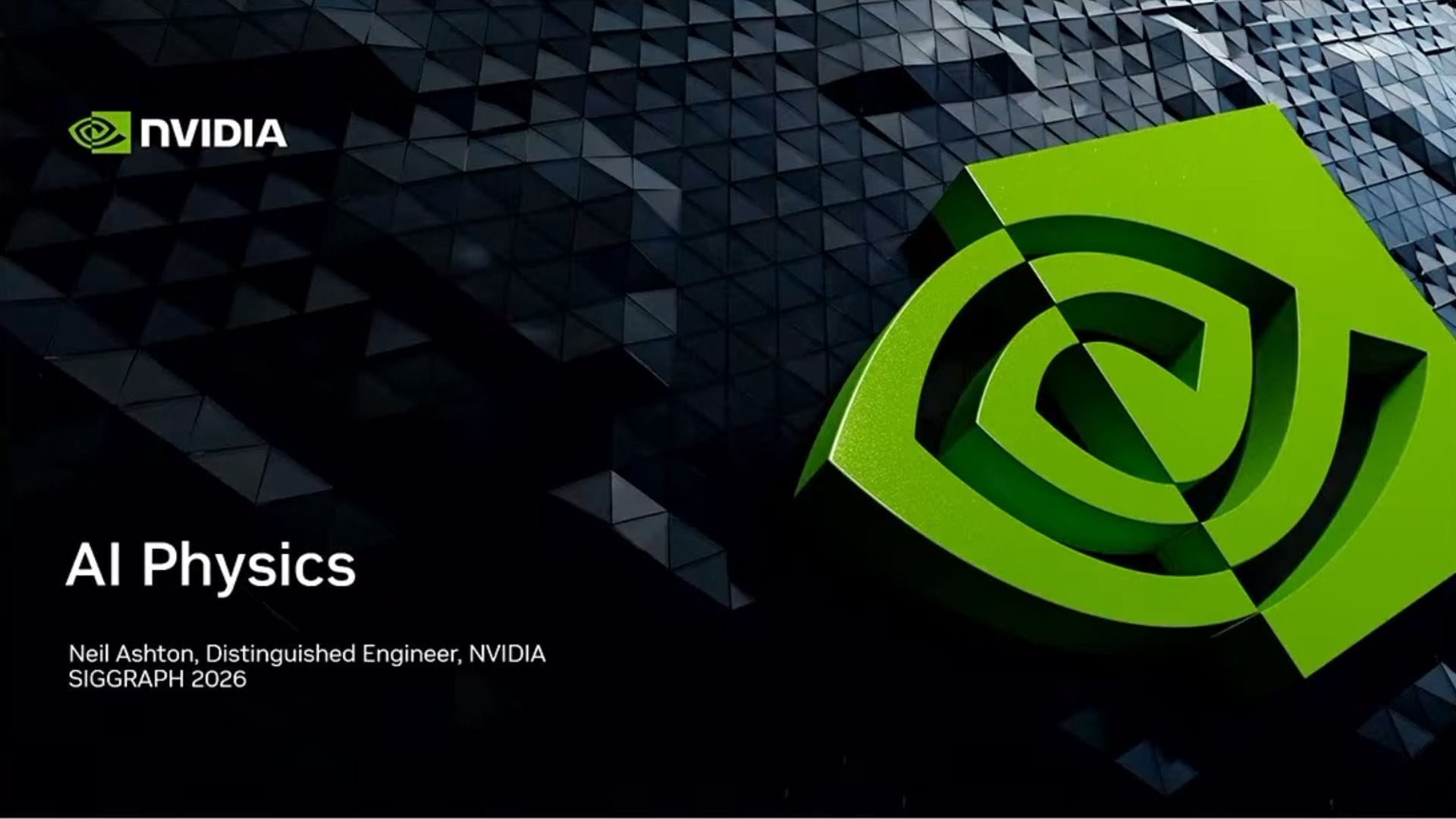
When NVIDIA announced Cosmos, the excitement was palpable. This groundbreaking AI technology, initially targeted at robotics and industrial simulations, sparked a sense of nostalgia among gamers. It harkened back to the days of PhysX, a technology that once revolutionized the way games felt and played.
The Rise and Fall of PhysX in Gaming
Games like Batman: Arkham Asylum, Mirror’s Edge, Borderlands 2, and Mafia II showcased the power of PhysX on GeForce GPUs. From reactive smoke to natural cloth movements, these effects added a layer of immersion that set these games apart. However, as games grew more demanding, the computational cost of advanced physics effects became a limitation that developers struggled to overcome.
Cosmos: A New Approach to Physics Simulation
Unlike its predecessor, Cosmos tackles the compute cost challenge in a novel way. NVIDIA leverages AI models trained on vast amounts of simulation data to predict physical interactions, significantly reducing the computational load. By compressing 200TB of fluid simulation data into just 200MB, Cosmos offers simulations that are thousands of times faster than traditional methods.
While initially intended for robotics and industrial applications, the implications for gamers are profound.
The Future of Interactive Physics in Gaming
While Cosmos is not poised to replace PhysX in games anytime soon, its underlying technology hints at a future where realistic environmental physics can be achieved without straining CPU resources. By offloading complex simulations to AI models running on Tensor Cores, developers could reintroduce rich destruction, realistic fluids, dynamic weather, and responsive worlds without sacrificing performance.
For gamers who fondly remember the immersive experience PhysX brought to PC gaming, Cosmos represents a glimpse into the next evolution of interactive physics in games.
Conclusion: A New Dawn for Gaming Physics
NVIDIA Cosmos stands at the forefront of a new era in gaming physics. While its current focus lies in robotics and industry, the technology it embodies holds promise for a future where games can once again offer immersive, dynamic worlds that react naturally to player actions. As we look ahead, the possibility of Cosmos becoming the spiritual successor to PhysX ignites excitement and anticipation for the next chapter in interactive gaming experiences.