Table of Contents
The Impact of Samsung’s DRAM Price Increase on NVIDIA’s Graphics Card Pricing
In a recent turn of events, Samsung’s reported 20 percent increase in DRAM prices for the current quarter has prompted NVIDIA to raise the prices of its consumer graphics cards. This marks the third price hike of the year, leading to empty store shelves and a state of panic among distributors.
NVIDIA Responds to Samsung’s Price Increase
Unlike previous price adjustments, the latest inflationary episode has impacted a wider range of consumer-facing graphics card models, causing rumors to spread and store shelves to be left bare. According to reports from Taiwan’s Economic Daily, NVIDIA has raised prices by 20-30 percent, following a similar increase earlier in the year.
In January 2026, NVIDIA implemented a price hike of 10-15 percent, with another surge in May targeting high-end cards like the GeForce RTX 5090 series. However, the most recent price adjustments cover a broader spectrum of GPU bundles, including the GPU and the GDDR memory.
Impact on Retailers and Consumers
The notices from NVIDIA regarding price changes have created a sense of urgency among downstream supply chain partners and retail distributors. Reports suggest that a major Chinese e-commerce platform removed several mainstream NVIDIA graphics cards from its listings in response to the situation.
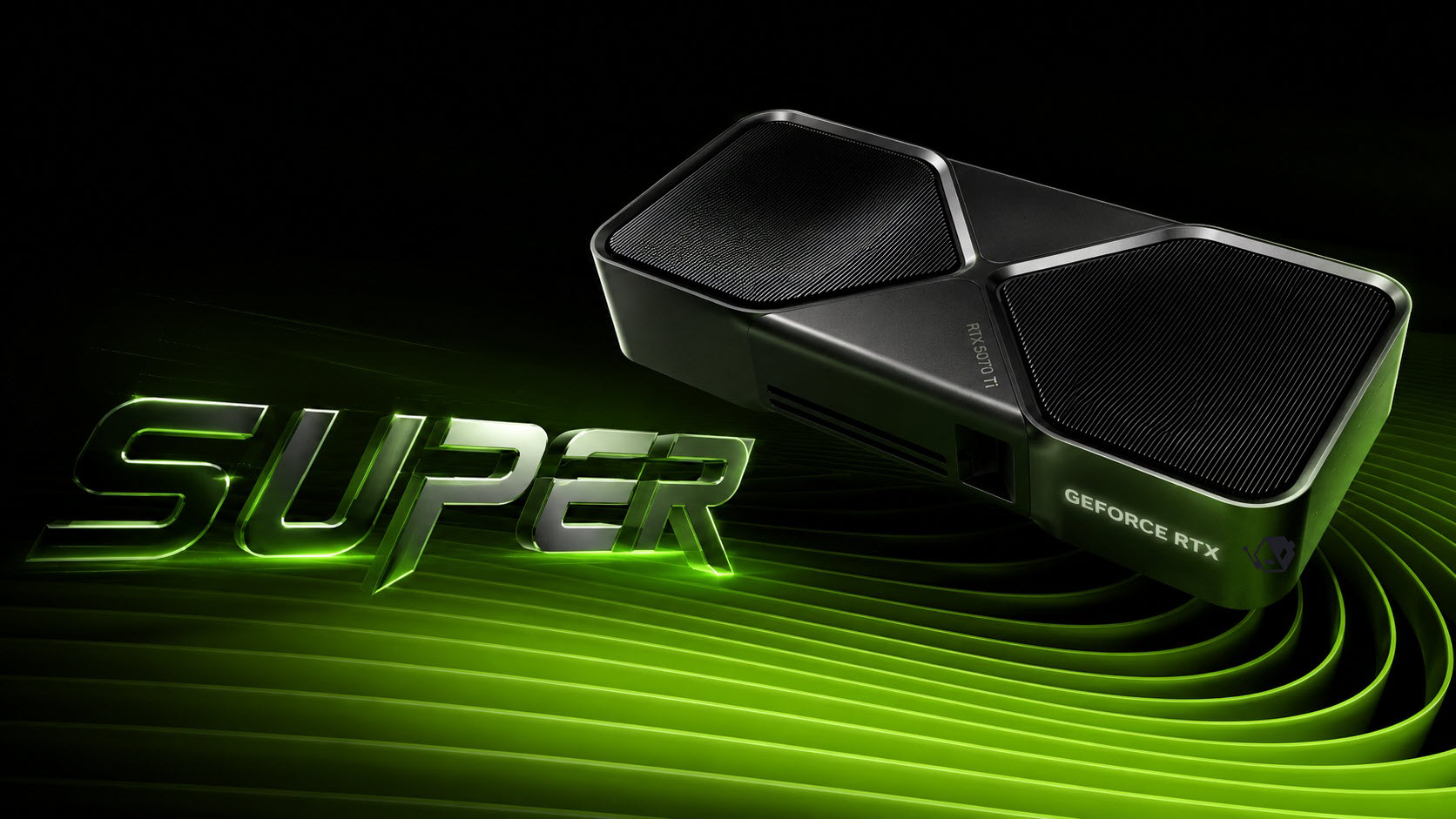
As a result of the price hikes, retailers are reflecting significant differentials in their pricing. For example, the NVIDIA RTX 5070 Ti graphics card now sells for 10,700 Yuan ($1,581), up from 9,299 Yuan ($1,374) just a week ago. These fluctuations are also affecting the cost of GDDR memory, with disparities in pricing based on memory capacity.
Ramifications for the Market
The current scenario in the graphics card market highlights the interconnected nature of the tech industry. With DRAM price increases impacting GPU pricing, consumers and retailers alike are feeling the effects of these changes. As prices continue to fluctuate, the market dynamics are evolving rapidly.

In conclusion, the recent price hikes in NVIDIA’s graphics cards, driven by Samsung’s DRAM price increase, have created a ripple effect in the market. As the tech industry navigates these challenges, both manufacturers and consumers must adapt to the changing landscape of hardware pricing.

About the author: Writing is my one incontrovertible passion. Over the past six years, I have authored over 2,200 distinct articles on financial and tech-related topics, spanning nearly 1 million words. I have been a member of Wcctech’s mobile team since 2025.
As an alumnus of the University of Toronto, Rotman Commerce Program, I bring nuance, in-depth knowledge, and a unique perspective to every topic that I cover.
When I’m not writing, I’m traveling the world, exploring hidden confectionaries and restaurants as an aspiring food connoisseur.
Follow Wccftech on Google to get more of our news coverage in your feeds.