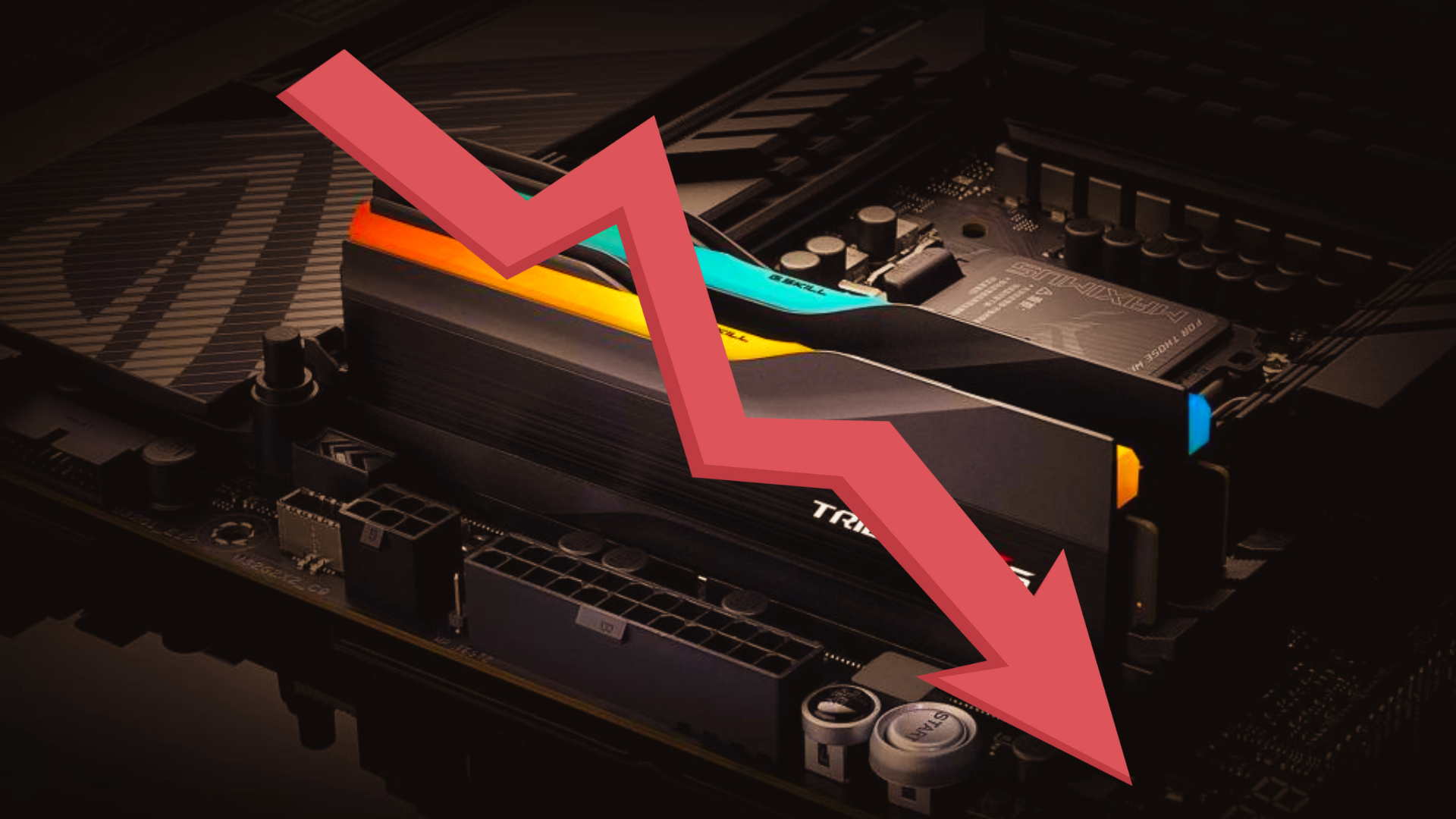
DDR5 memory prices have been on the rise for a few months, but our data shows a significant decrease this week.
DDR5 Memory Prices Have Experienced a Major Decrease, Up To $100 Per Kit, But the Discounts Are Limited to Certain Sellers
The memory industry has been going through a series of ups and downs recently, especially after Google introduced its TurboQuant compression algorithm, which we will delve into shortly. One interesting development currently is the notable drop in DDR5 memory prices at various retailers in the US. We have been consistently monitoring DDR5 prices to offer our audience memory deals to help alleviate shortages. Interestingly, several retail listings today indicated significant price reductions across memory products.
On Amazon US, Corsair memory modules have seen a substantial price decrease, with the VENGEANCE DDR5 SKUs featuring 32 GB capacity and speeds up to 6400 MHz now priced at around $379.99, a significant drop from their recent highs of about $490. The price drop also extends to 16 GB modules, with the DDR5-5200 SKU now available for $219.99, showing a modest discount from its previous peak prices of around $260. It’s worth noting that these reductions are quite aggressive, considering that prices were much higher just a week ago.
Amazon DDR5 Memory Deals:
These discounts are not exclusive to Amazon; similar price drops can also be found on Newegg. It seems that Corsair’s memory products are experiencing a more pronounced drop in prices compared to other vendors. Given that DDR5 memory kits with a 32 GB configuration were priced at over $450 last week, the current pricing represents a significant decrease, and a trend that we hope will continue. As for the reason behind the price drop, it appears that the unveiling of Google’s TurboQuant algorithm has sparked discussions in the memory industry, causing a major decline in the valuation of companies like Micron and other DRAM suppliers.

We have previously covered TurboQuant in a previous article; it is a KV cache compression algorithm that reduces memory requirements in AI workloads by up to 6 times. The research paper released by Google suggests that there is no significant impact on long-context workload once the compression layer is applied, indicating that the world may not need memory as urgently as it does currently, although many experts have questioned this assertion.
If memory requirements could be reduced in any way, it would create more opportunities for manufacturers to increase production of their DRAM products, especially considering the current supply chain bottlenecks. As for the recent decrease in memory prices, it could be a result of inventory clearance following the introduction of TurboQuant, as the industry’s response to the algorithm has been quite intense. This is just speculation at this point. In the meantime, gamers looking for memory for their setups can take advantage of the deals mentioned above.
Here are some other DDR5 deals available, although they may not be as attractive as the discounts offered on Corsair modules:
If you purchase something through an Amazon affiliate link, Wccftech may receive a commission. See our ethics statement.
Follow Wccftech on Google to get more of our news coverage in your feeds.