Table of Contents
Introducing the Future of Memory Chips
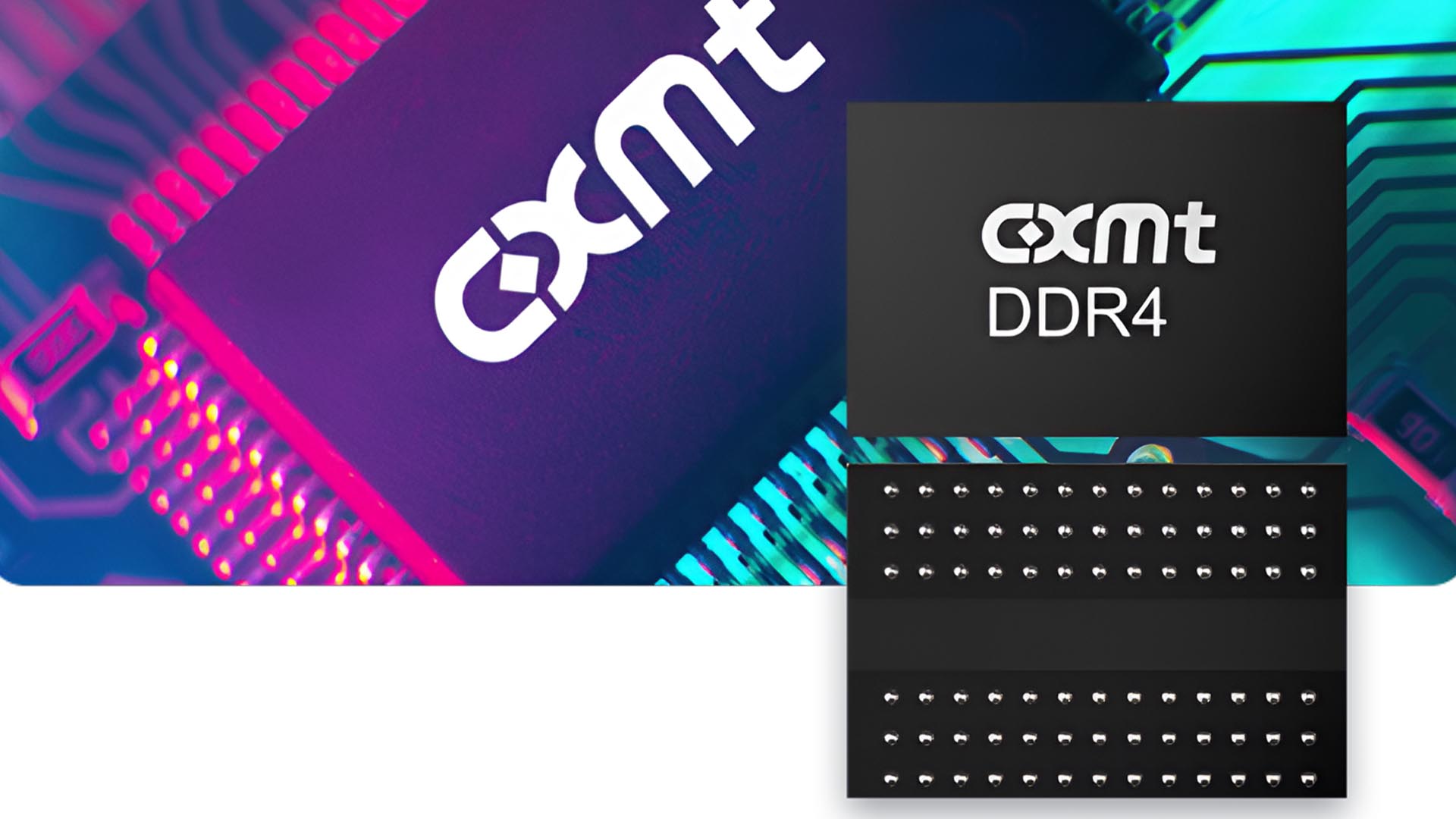
In a bold move, Chinese memory chip manufacturer CXMT has set its sights on revolutionizing the memory chip industry. At the recent Integrated Chip and Chiplet Conference in Shanghai, Dr. Cao Kanyu, the President of CXMT, announced a groundbreaking plan to leapfrog ahead of established giants like Samsung, SK hynix, and Micron by two years. The key to their strategy? A cutting-edge technology known as 4F² that promises to redefine the way memory chips are manufactured.
CXMT’s 4F² Technology
The traditional design of DRAM memory chips involves a complex architecture with various components like bit lines, word lines, capacitors, and transistors. In a standard 6F² design, these components are arranged in a staggered grid pattern, resulting in a relatively large memory cell. However, CXMT’s 4F² technology takes a different approach by optimizing the design to reduce the area of the memory cell. By vertically stacking key components like bit line contacts, capacitors, and transistors, CXMT’s 4F² design can achieve up to a 50% reduction in size compared to traditional designs.


The Role of Manufacturing Technology
While the 4F² design shows great promise, the success of this technology hinges on advanced manufacturing processes. Newer nodes like the 10-nanometer process play a crucial role in reducing the memory cell’s size, enabling the vertical stacking approach of 4F² to deliver power efficiency and performance gains. However, the inability to access EUV lithography machines has limited CXMT’s ability to further shrink the memory cell components, highlighting the importance of cutting-edge fabrication tools.
The Challenges for the Big Three Memory Firms
Despite the potential of 4F² technology, major players like Micron, Samsung, and SK hynix have been slow to adopt this new approach. The industry standard of 6F² architecture has prevailed for DDR4, DDR5, and High Bandwidth Memory (HBM) memory chips due to concerns about costs, yields, and customer qualifications. The intricate nature of 4F² designs poses challenges in manufacturing, with fragile cell structures complicating mass production efforts.
While CXMT’s ambitious plan may seem like a threat to the established giants, the road ahead is fraught with obstacles. The big three memory manufacturers have already made significant strides in advancing their manufacturing processes, positioning themselves at the forefront of innovation. CXMT’s reliance on older technology and manufacturing nodes could limit its ability to compete effectively in the long run.
Conclusion
In conclusion, CXMT’s 4F² technology represents a bold step forward in memory chip design. While the potential benefits of this approach are undeniable, the challenges posed by established players and technological limitations highlight the complexities of the semiconductor industry. As the race for superior memory chips continues, only time will tell if CXMT can truly disrupt the status quo and emerge as a formidable competitor in the market.