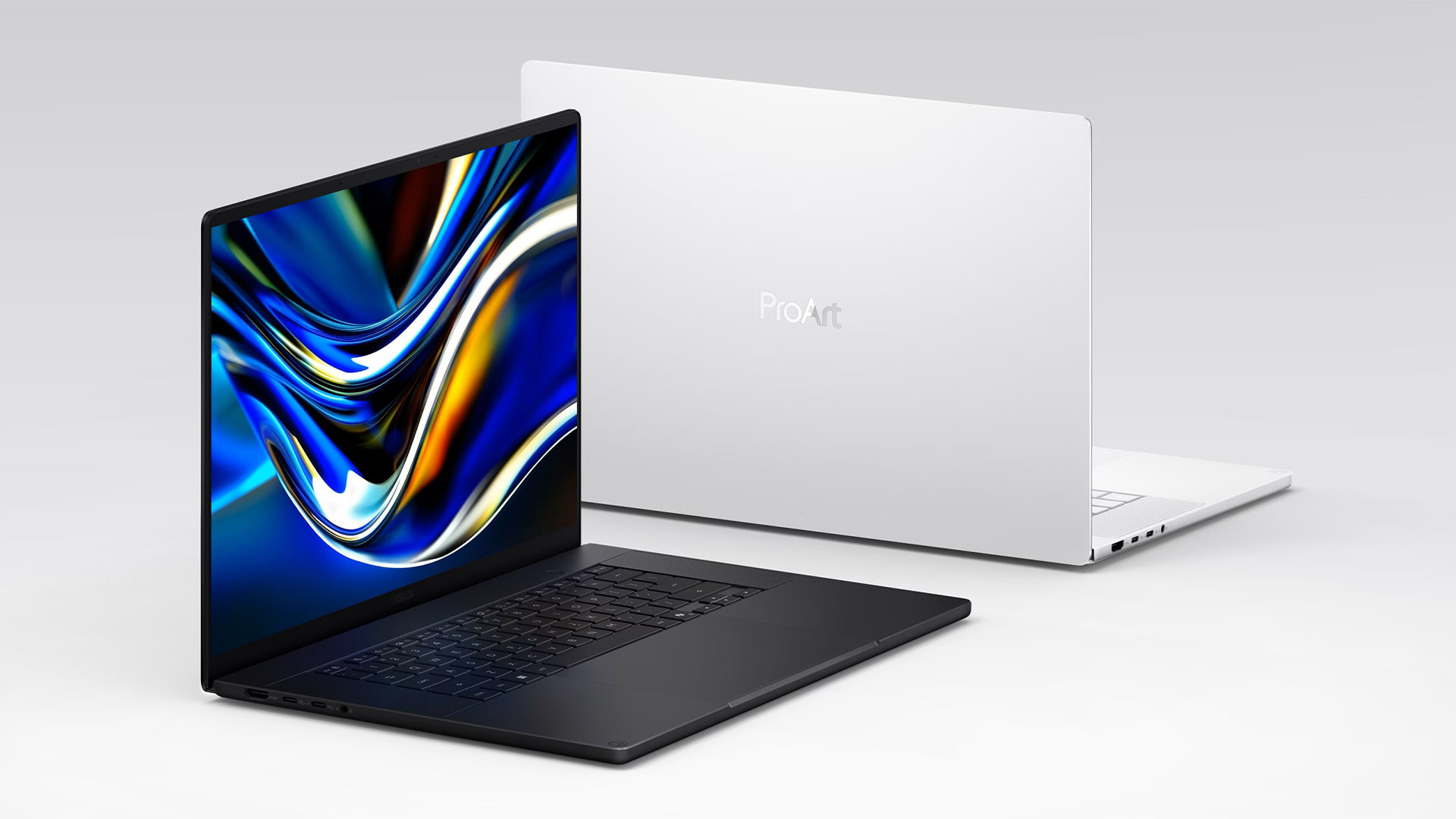
Get ready to dive into the world of cutting-edge technology with the upcoming release of NVIDIA’s RTX Spark. This powerful innovation is set to revolutionize the gaming experience on laptops, offering the capability to handle high-density AI models with ease. ASUS is leading the charge with its ProArt P14 and ProArt P16 laptops, showcasing a commitment to cooling these ultra-premium machines through innovative methods.
Unveiling the RTX Spark’s Advanced Cooling System
As details continue to emerge about the ProArt P14 and ProArt P16 laptops, it’s evident that ASUS is pushing the boundaries of performance. With features like 24GB of LPDDR5X unified RAM and PCIe NVMe Gen 4 SSD, these laptops are designed to deliver unparalleled power and efficiency. The real highlight, however, lies in the innovative cooling system that ASUS has implemented to ensure optimal performance.
Liquid metal cooling has been a staple in ASUS gaming laptops, and it’s no different with the RTX Spark-powered notebooks. While liquid metal offers superior heat dissipation, it also comes with inherent risks. ASUS has taken precautions to prevent any mishaps, including the use of a sponge barrier to contain the liquid metal and prevent any damage to internal components.

While liquid metal offers exceptional cooling capabilities, there are concerns about its long-term reliability. ASUS is taking a calculated risk by opting for liquid metal cooling in the ProArt P14 and ProArt P16 laptops, considering the potential challenges that may arise from regular movement and usage.

ASUS’s decision to forgo a vapor chamber in favor of a traditional heatpipe solution raises questions about the effectiveness of heat dissipation in the RTX Spark-powered laptops. While a vapor chamber may offer more consistent cooling, the larger die area of the RTX Spark could lead to uneven mounting pressure, impacting overall performance.
In a similar vein, concerns have been raised about the long-term effects of liquid metal cooling on laptops. Previous cases have shown that corrosive elements in the thermal interface material can lead to rapid degradation of key components. ASUS will need to address these potential issues to ensure the longevity and reliability of the RTX Spark laptops.


As technology continues to evolve, ASUS remains at the forefront of innovation in gaming laptops. The RTX Spark-powered ProArt P14 and ProArt P16 laptops represent a leap forward in performance and cooling technology. With liquid metal cooling and advanced heat dissipation mechanisms, these laptops are poised to redefine the gaming experience for enthusiasts and professionals alike.

About the author: Omar Sohail is a reporter and analyst for Wccftech’s mobile section, specializing in the technology and business of the mobile industry. His expertise lies in the intricate hardware supply chain, covering developments in semiconductor manufacturing, chip lithography, and camera sensor technology.
Follow Wccftech on Google to get more of our news coverage in your feeds.