Christian Fonnesbech has made a name for himself in the games industry of North Europe. He previously held a position as the head of IP development at Nordisk Film Games. In 2019, he founded Leverage in Copenhagen with the aim of assisting game studios in developing their intellectual property.
Over the years, Fonnesbech has worked as a consultant on games of various sizes, although he is bound by non-disclosure agreements that limit what he can reveal. Among the many projects he has been involved in are Dead Island, Metro, Conan Exiles, Dune Awakening, Exoborne, and the Dark Pictures Anthology. However, he emphasizes that studios often make a critical mistake by changing the main characters for sequels.

Fonnesbech stresses that while there are many components to a successful franchise, the main character is often the most crucial element. He explains, “Gameplay and the game world are undoubtedly important, but the character is what resonates emotionally with players. It’s a significant part of the expectations fans have when returning to a franchise. Therefore, altering the main character comes with great risks.”
He argues that establishing a connection with an audience is a challenging feat, and once achieved, it’s essential to maintain that connection. Fonnesbech advises studios to value their intellectual property and the emotional bond created with the character over time. Changing the main character poses the risk of alienating fans and jeopardizing the successful formula that was initially established.
While some studios have successfully switched main characters in sequels, Fonnesbech questions the long-term implications. He uses Hades 2 as an example where the protagonist was changed from Zagreus to Melinoë. While artistically it may be a bold choice, he raises concerns about the impact on the overall IP identity and emotional journey offered to players.

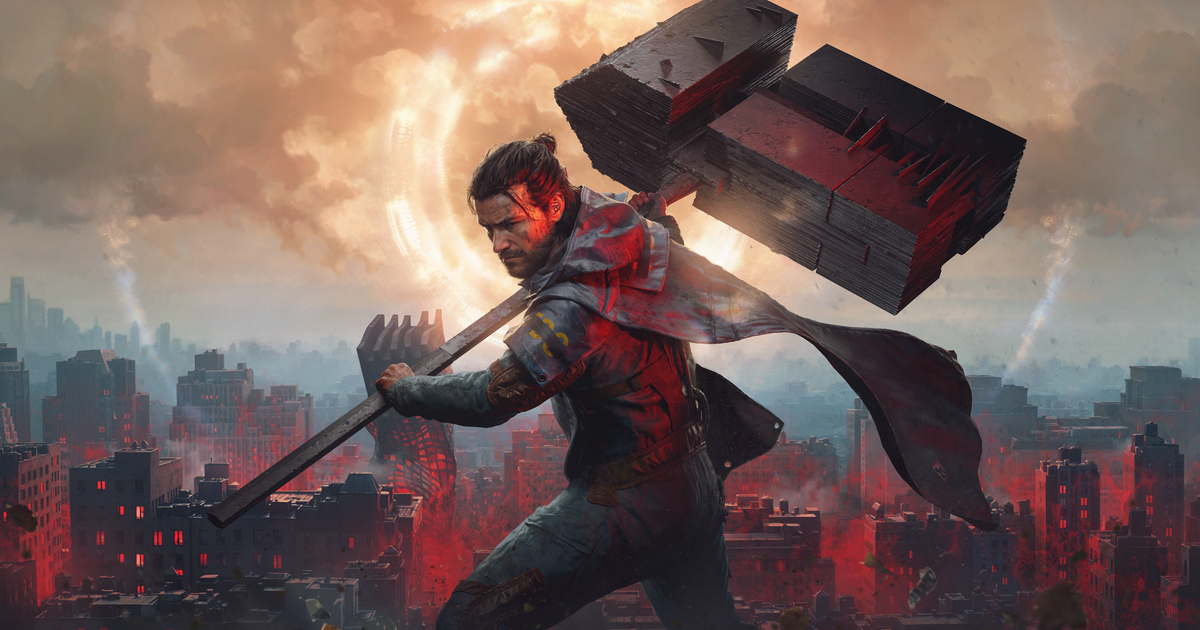
He further examines upcoming titles like Control Resonant, God of War Laufey, and The Witcher 4, which are also changing their lead characters. Fonnesbech cautions against deviating too far from established characters, citing the importance of maintaining the core elements that fans have come to love and expect.
While acknowledging the artistic freedom to explore new characters, Fonnesbech highlights the potential risks to the franchise’s identity and connection with the audience. He emphasizes the significance of consistency in world-building, character development, and emotional resonance to ensure a successful and enduring franchise.
