Table of Contents
The Protect Our Games Act: A Game-Changer for Digital Ownership
Imagine investing your hard-earned money in a video game only to have it rendered unplayable when the official servers shut down. The frustration and disappointment that follow can be overwhelming. However, a new California bill, aptly named the Protect Our Games Act, aims to put an end to this cycle of loss and uncertainty. This groundbreaking legislation is a beacon of hope for gamers, offering them the long-awaited consumer protections they deserve.
Empowering Gamers with Ownership Rights
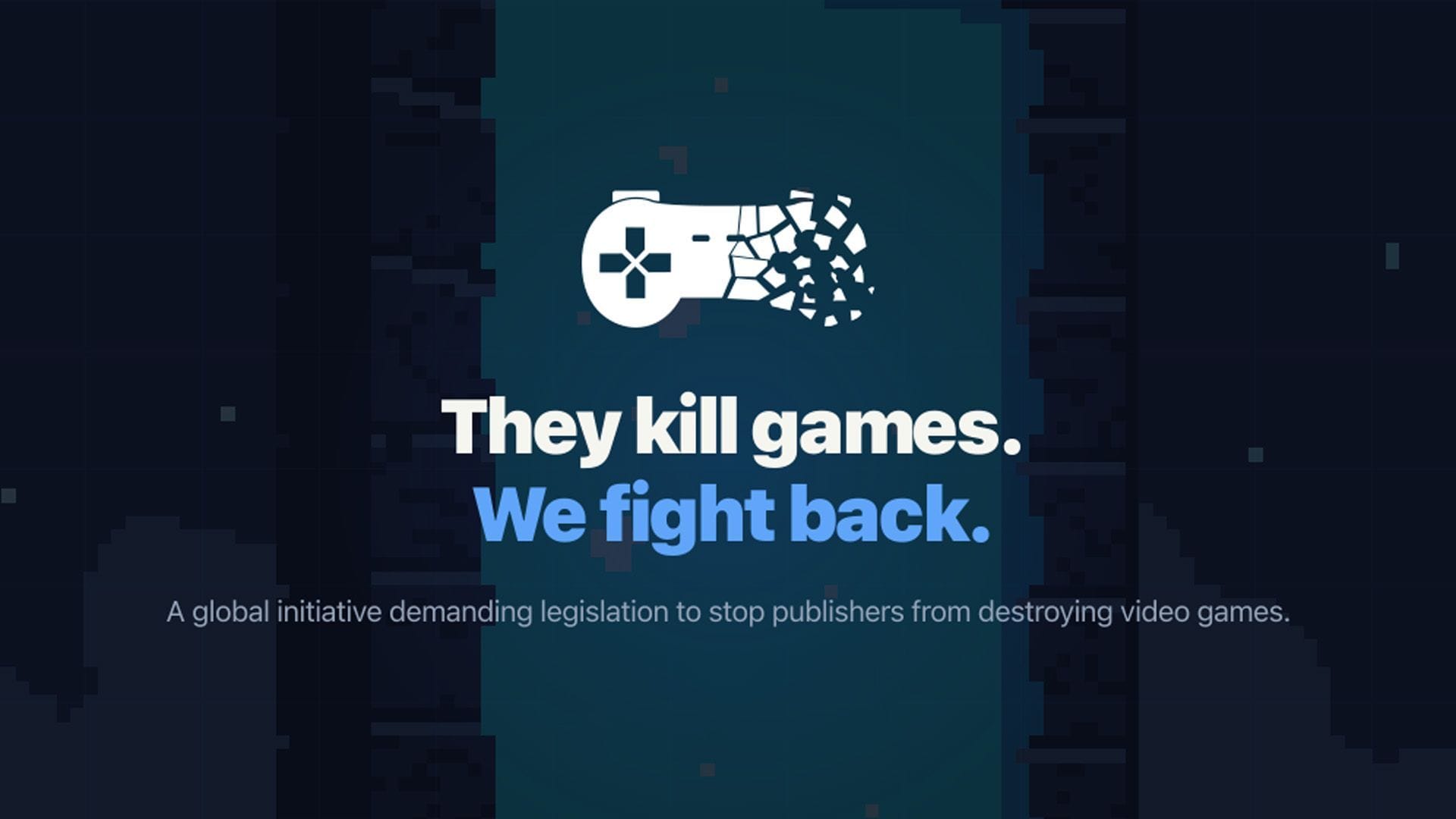
The Protect Our Games Act, a crucial component of the broader Stop Killing Games movement, recently achieved a significant victory for players worldwide. With a decisive 43 to 16 vote, the California State Assembly passed Assembly Bill 1921, signaling a new era of digital ownership. Developers can no longer treat your game purchases as fleeting rentals, ensuring that you have real ownership of the games you buy.
Ensuring Transparent Practices and Player Protections
Under the provisions of the new California bill, video game companies are now subject to stringent transparency regulations. Publishers are required to provide a minimum 60-day notice before discontinuing any active servers, preventing abrupt disruptions to your gaming experience. This means developers must offer viable solutions post-shutdown, such as downloadable offline patches, community server support, or full refunds, ensuring that your investment in digital games is safeguarded.
These essential protections guarantee that you can continue enjoying your favorite digital titles long after the official support ends. The legislation, effective from January 1, 2027, applies to all digital game sales in California, including older titles that receive significant re-releases after the specified date.
Enforcing Accountability and Legal Consequences
While the new California bill heralds a new era of game preservation, it is essential to note that certain exceptions exist. Free-to-play games, titles requiring active subscriptions, and offline solo player games are not covered under this legislation. In cases of non-compliance, publishers risk severe legal penalties, with enforcement overseen by the California Attorney General and local district attorneys. This ensures that gaming companies remain accountable and that players are protected from undue losses.
The Future of Gaming: A Brighter Horizon
The gaming community’s concerted efforts have paved the way for a brighter future in game preservation. With the Protect Our Games Act setting a precedent for consumer rights and ownership, gamers can look forward to a future where their investments are secure, and their gaming experiences are enduring. This legislation marks a significant step towards a more transparent, accountable gaming industry, where players can truly own and enjoy their digital collections.